ROME
Pantheon - Trevi Fountain - Stadium of Domitian - Curia Julia - Piazza Mignanelli
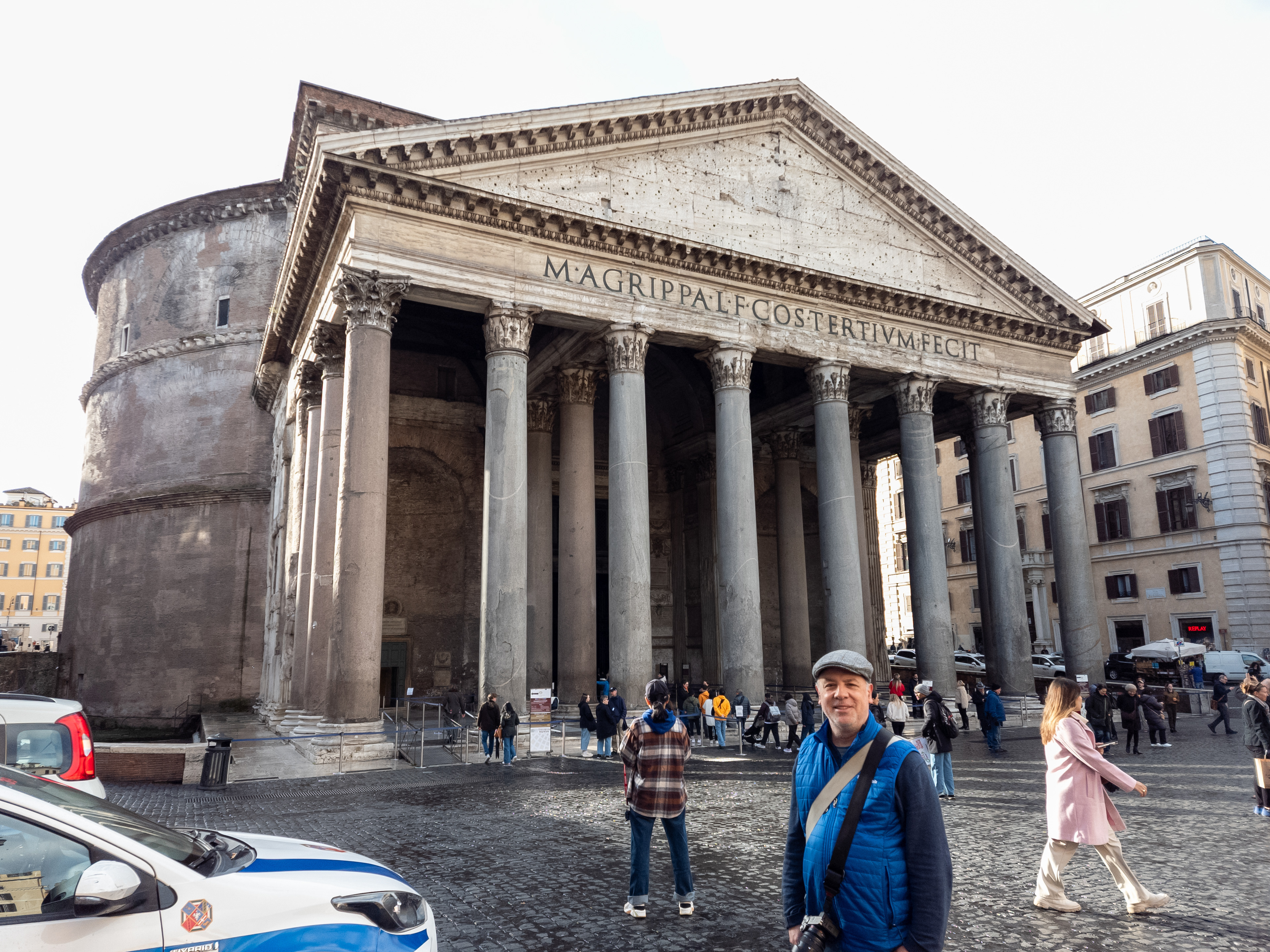
Pantheon - Dedicated in AD 126 by Emperor Hadrian as a temple to all gods; converted to Catholic church in AD 609.
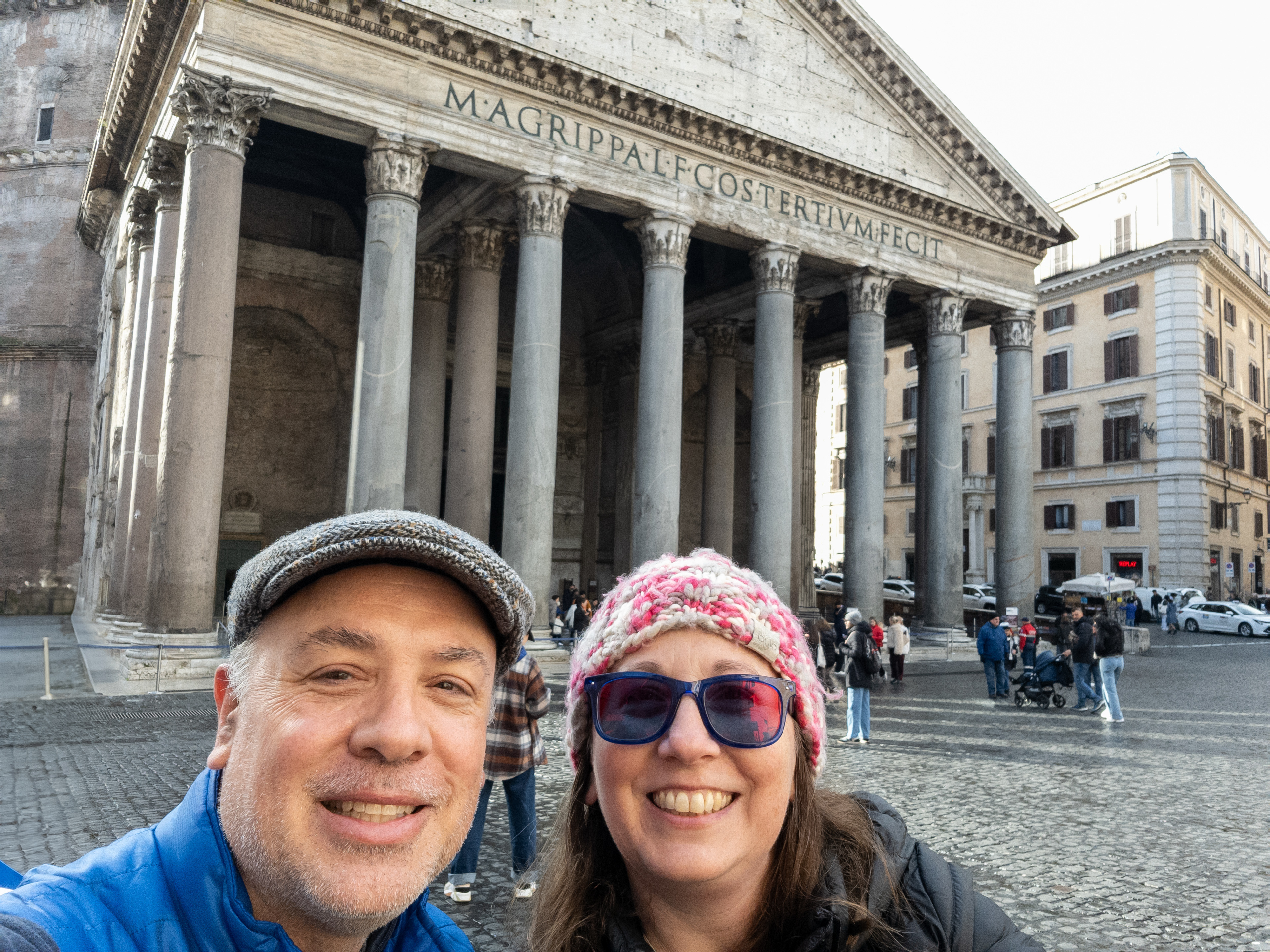
Pantheon
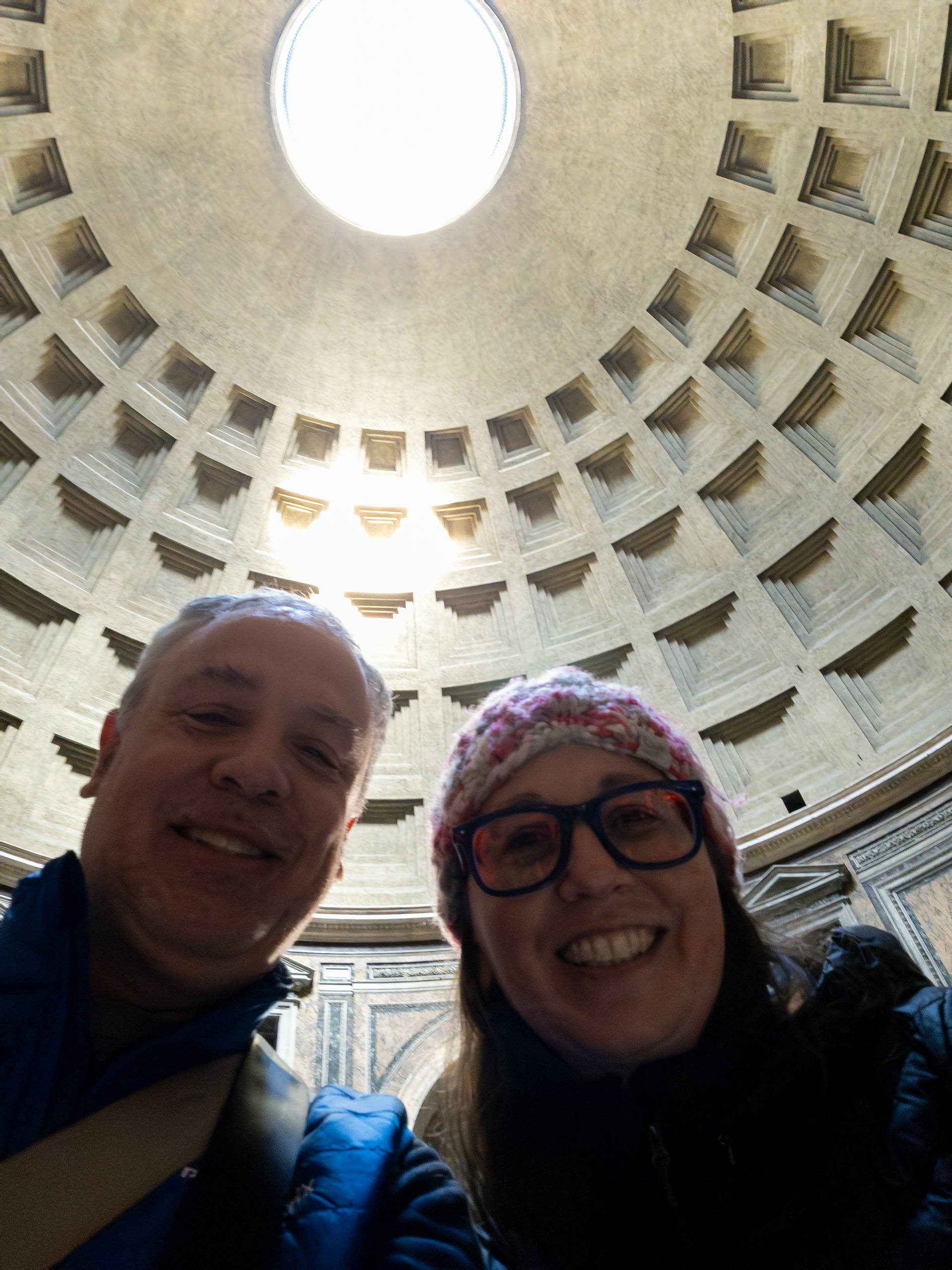
Pantheon
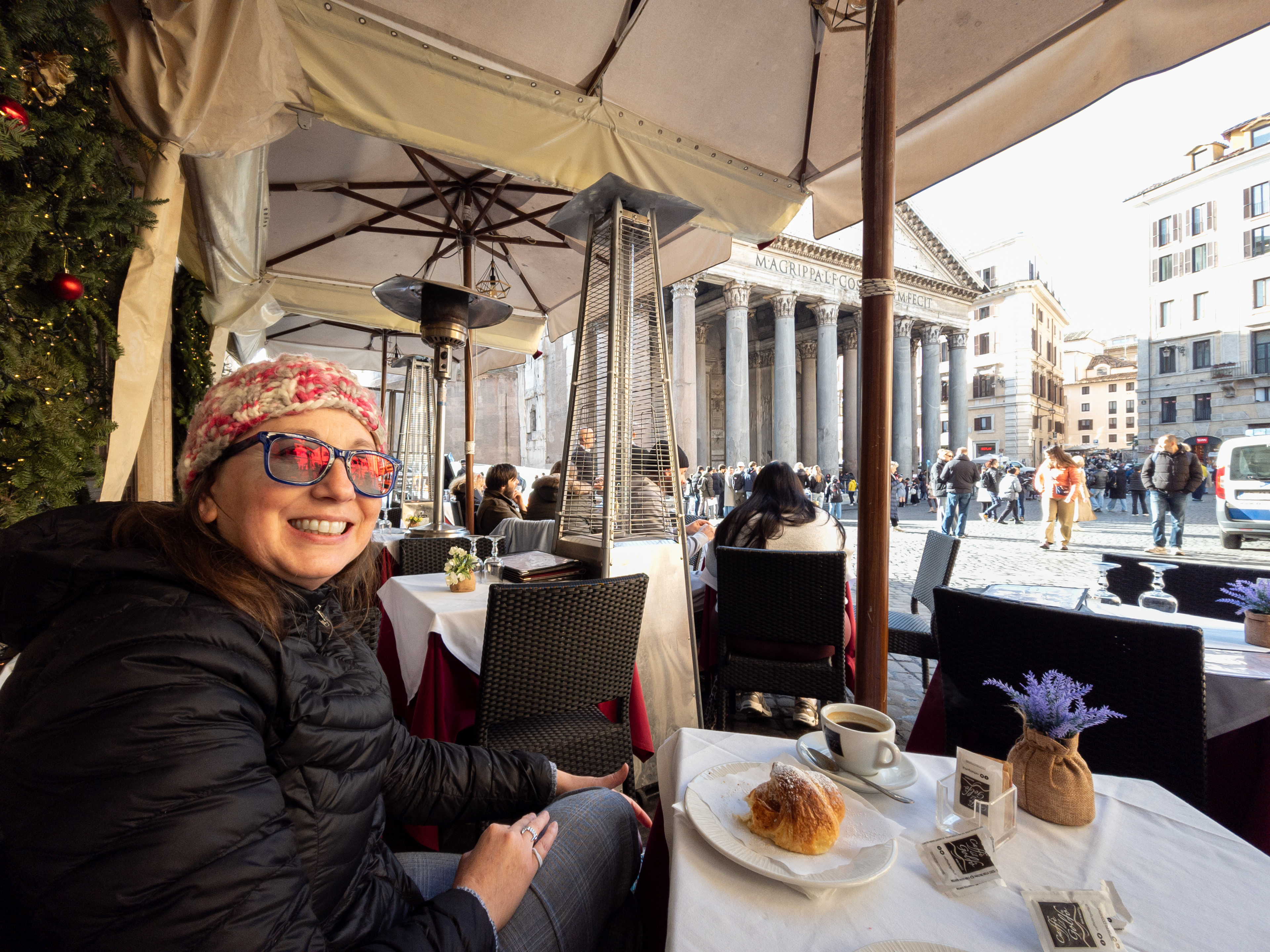
Cafe in front of Pantheon
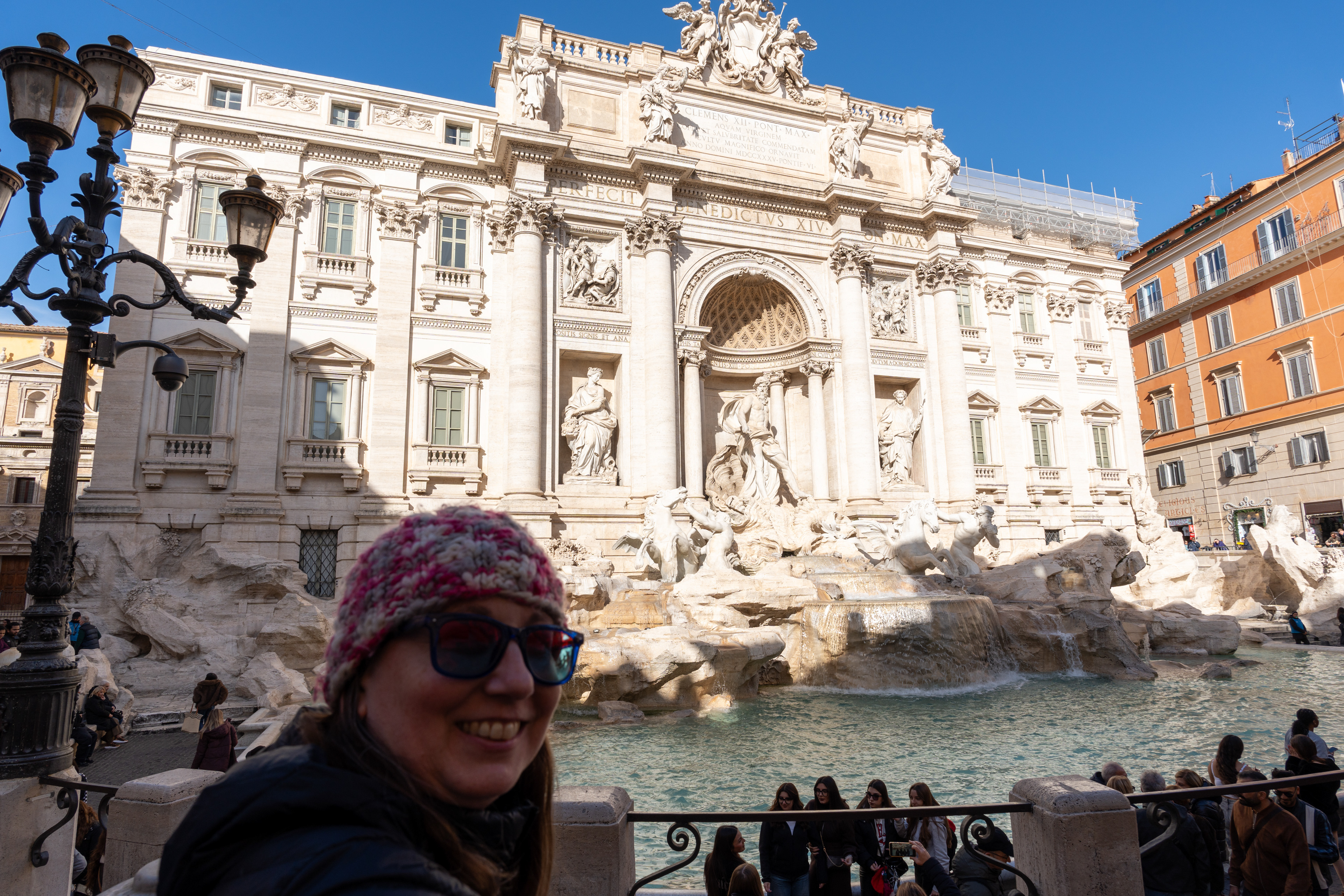
Trevi Fountain - Designed by Italian architect Nicola Salvi and completed by Giuseppe Pannini in 1762. It marks the end of what once was a 14 mile long aquaduct, built in 19 BC.
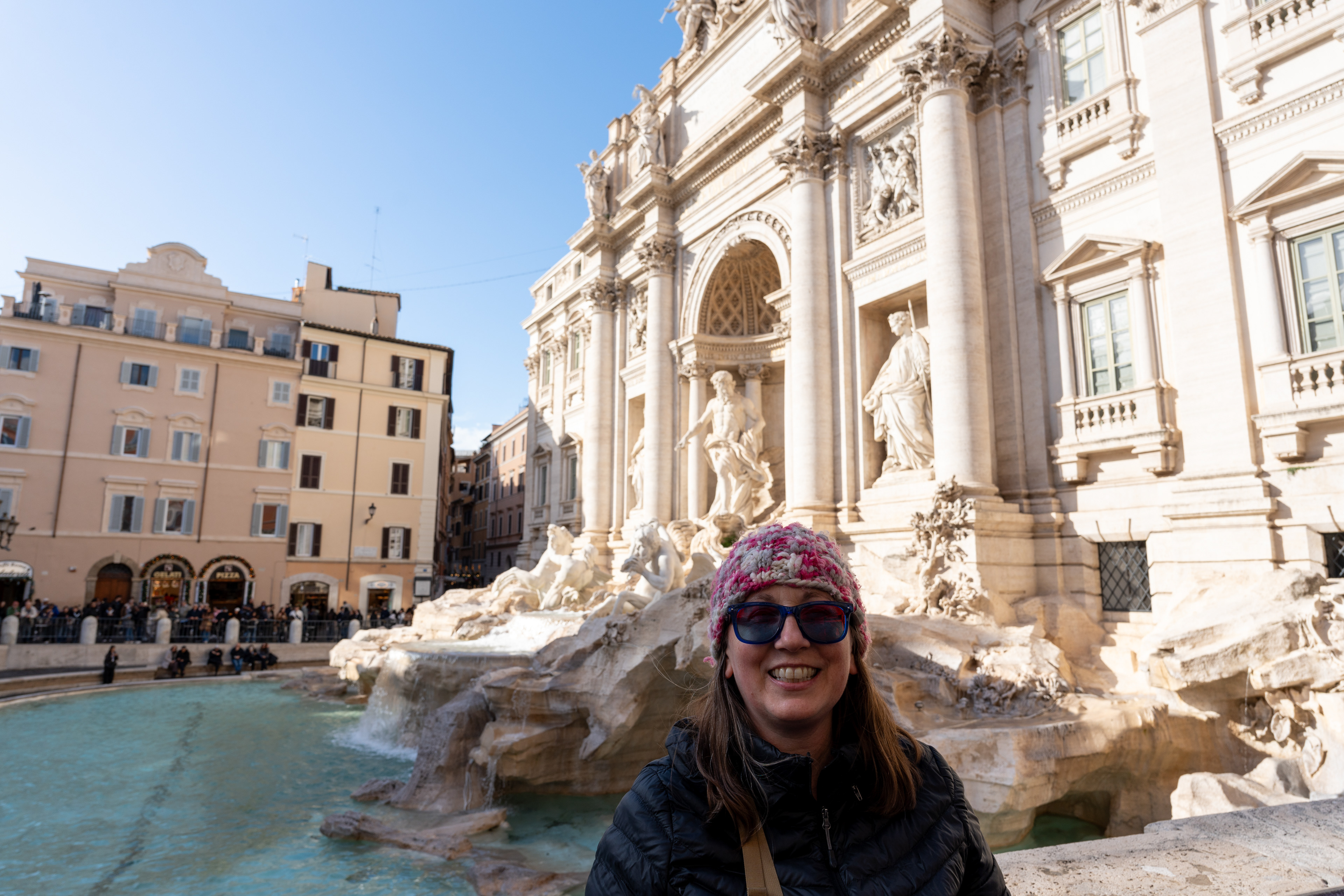
Trevi Fountain
Trevi Fountain
Trevi Fountain
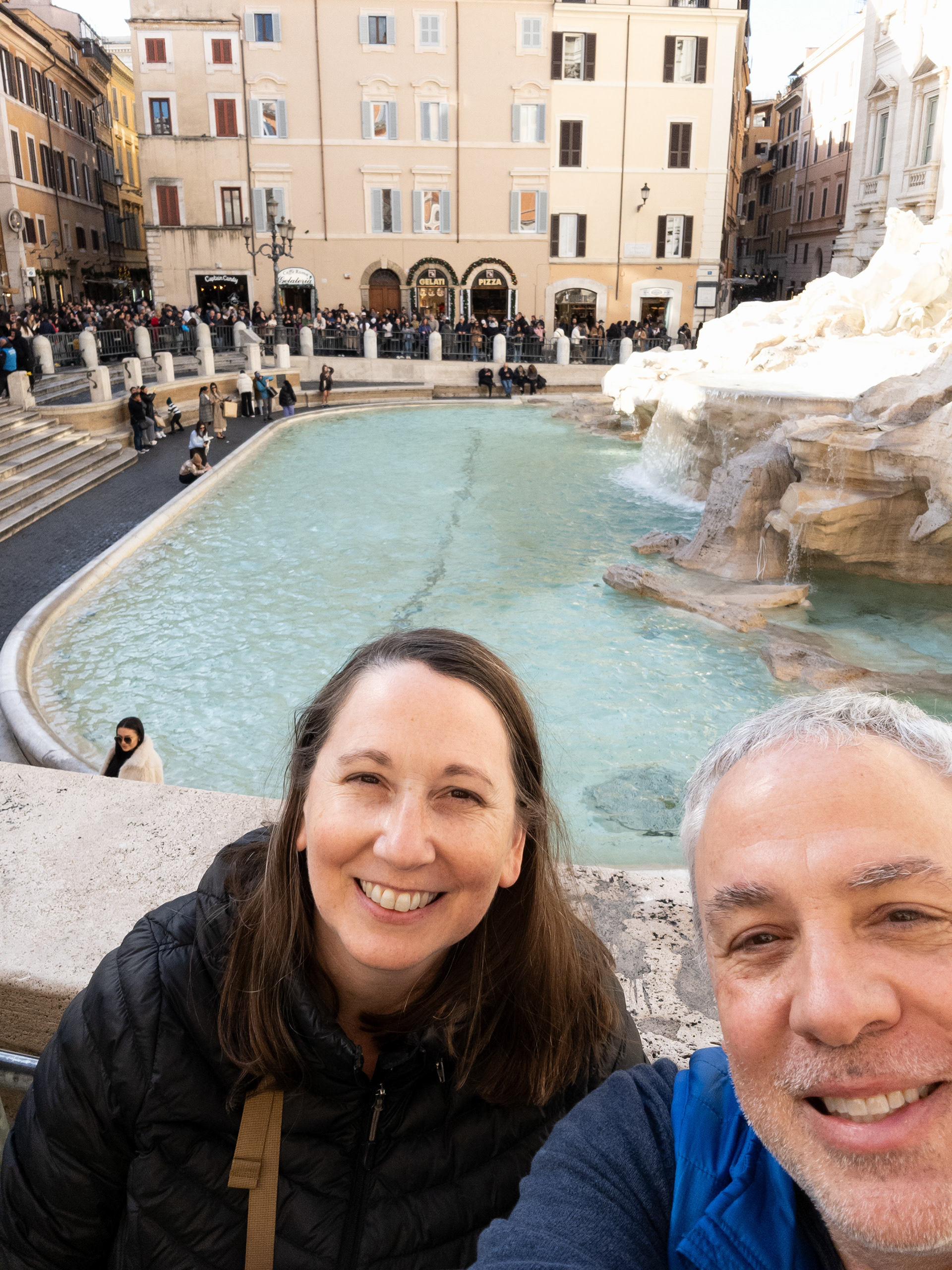
Trevi Fountain
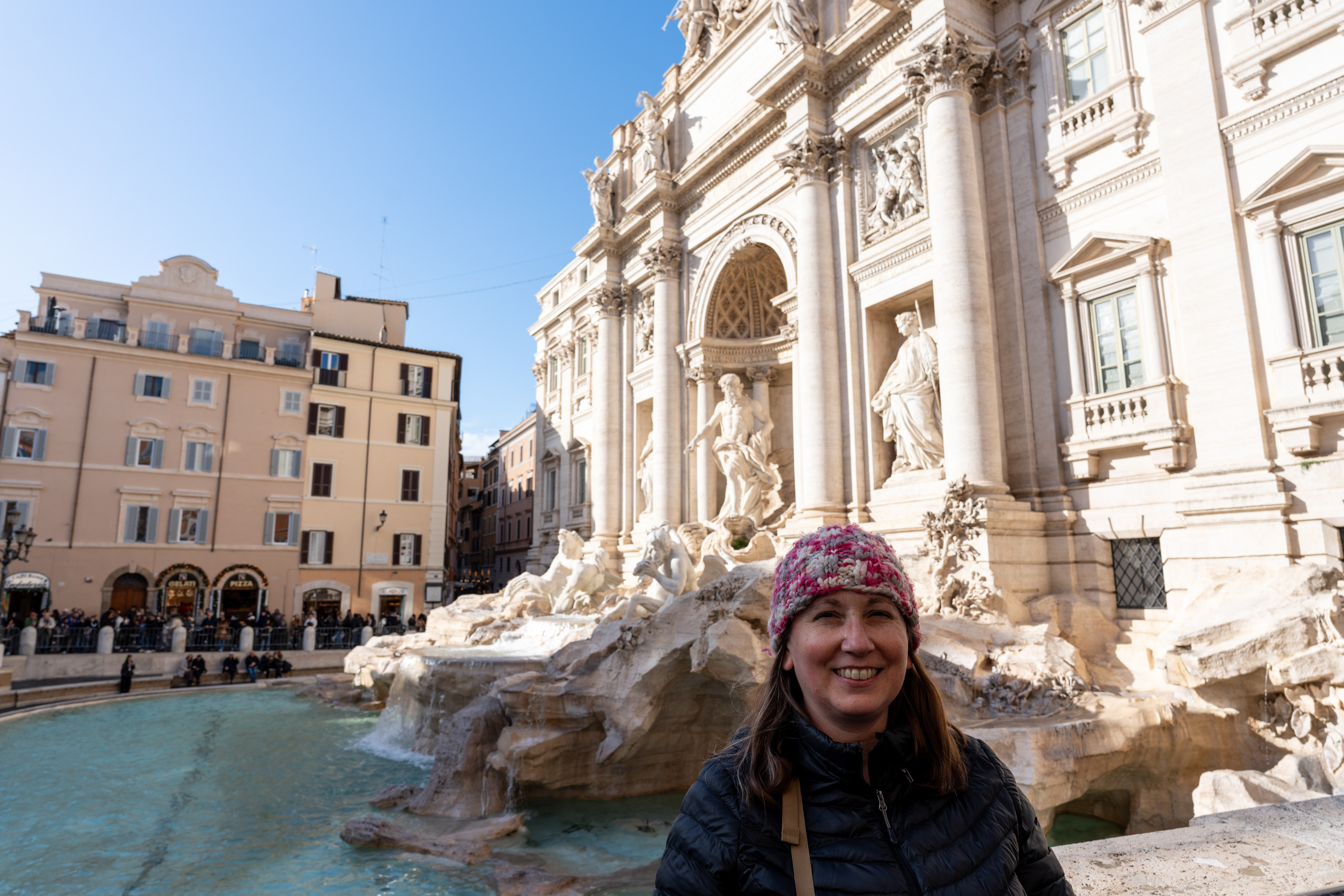
Trevi Fountain
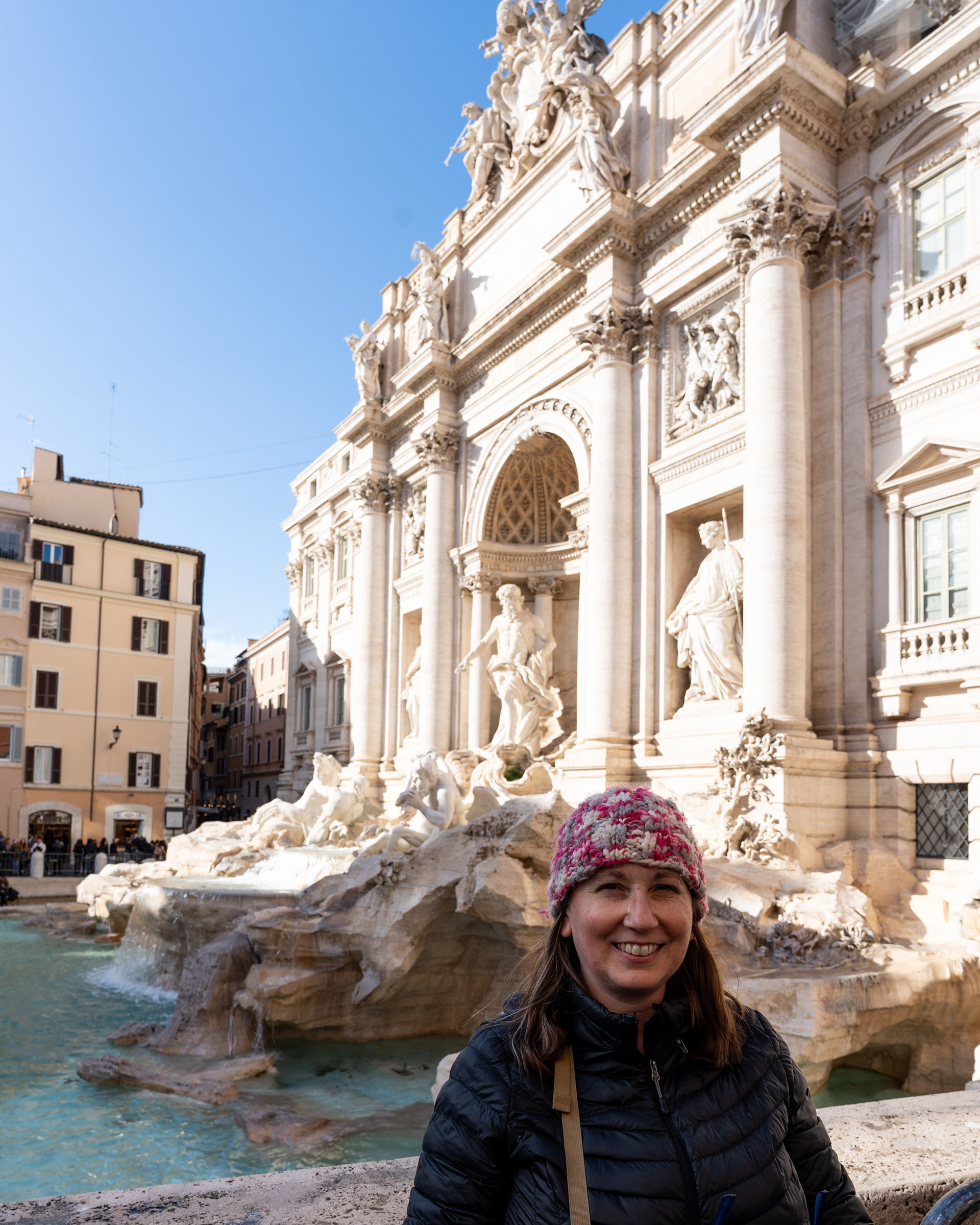
Trevi Fountain
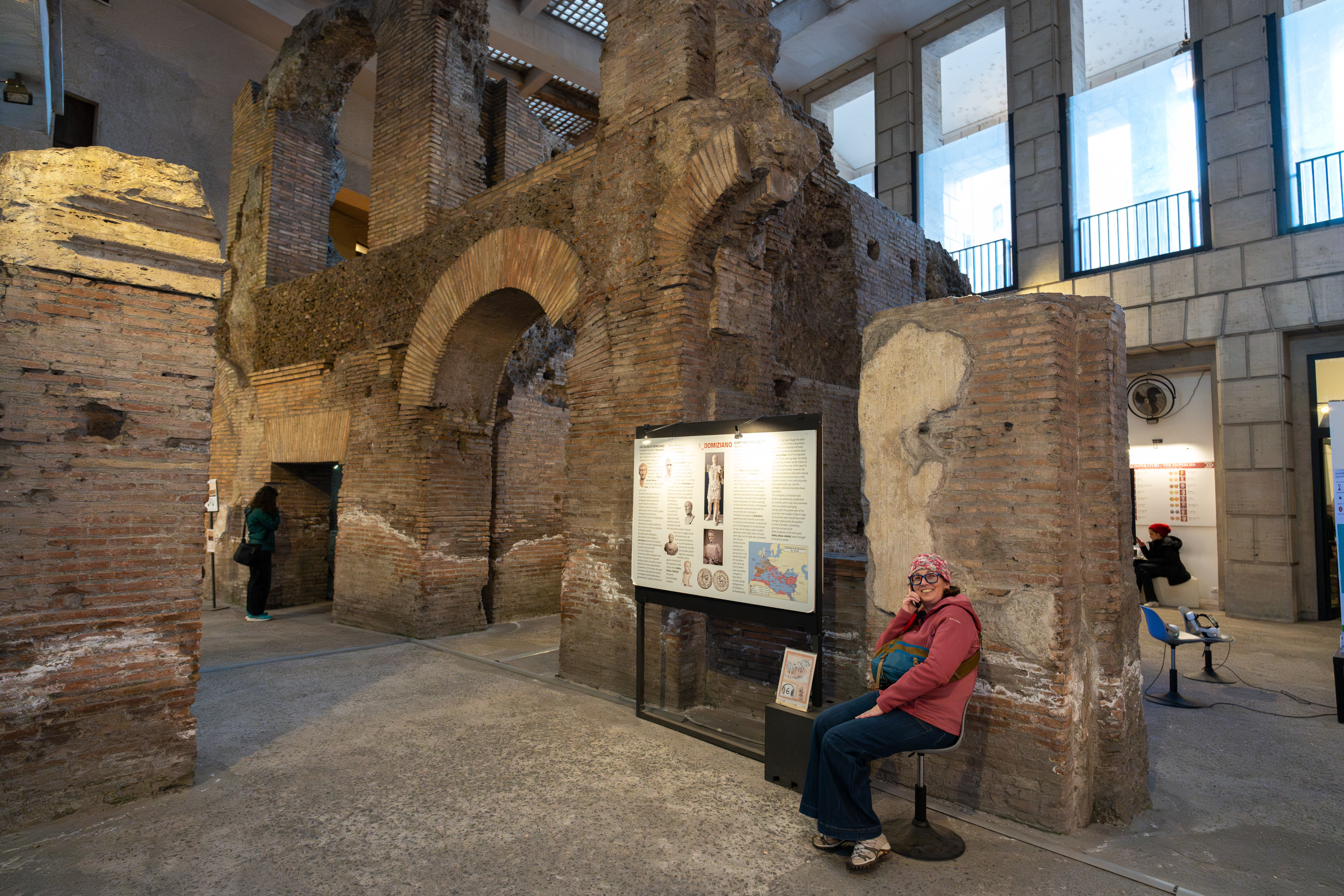
Stadium of Domitian - Built in AD 86 as a stadium for athletic contests. Its remains now underlay the Piazza Navona.
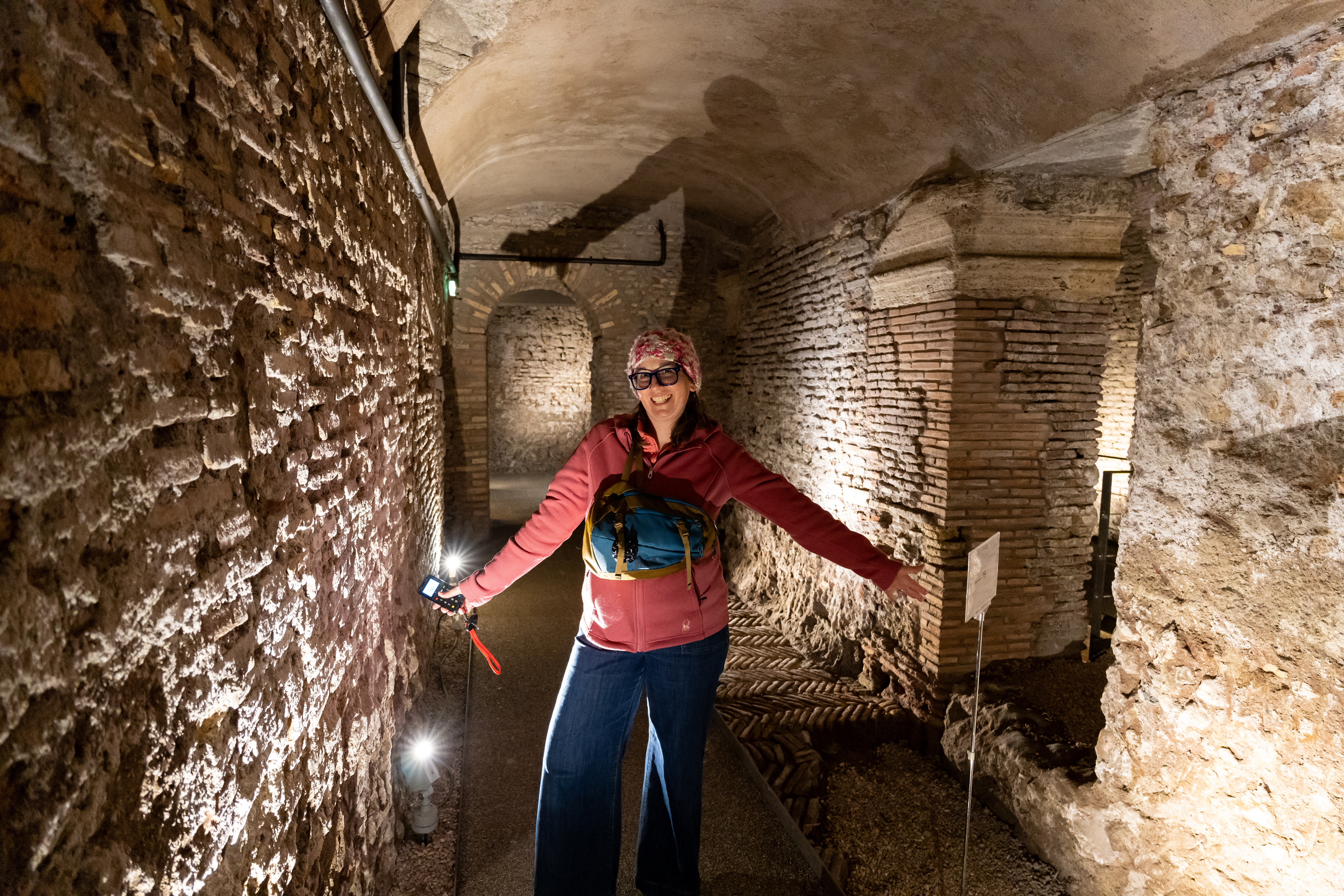
Stadium of Domitian
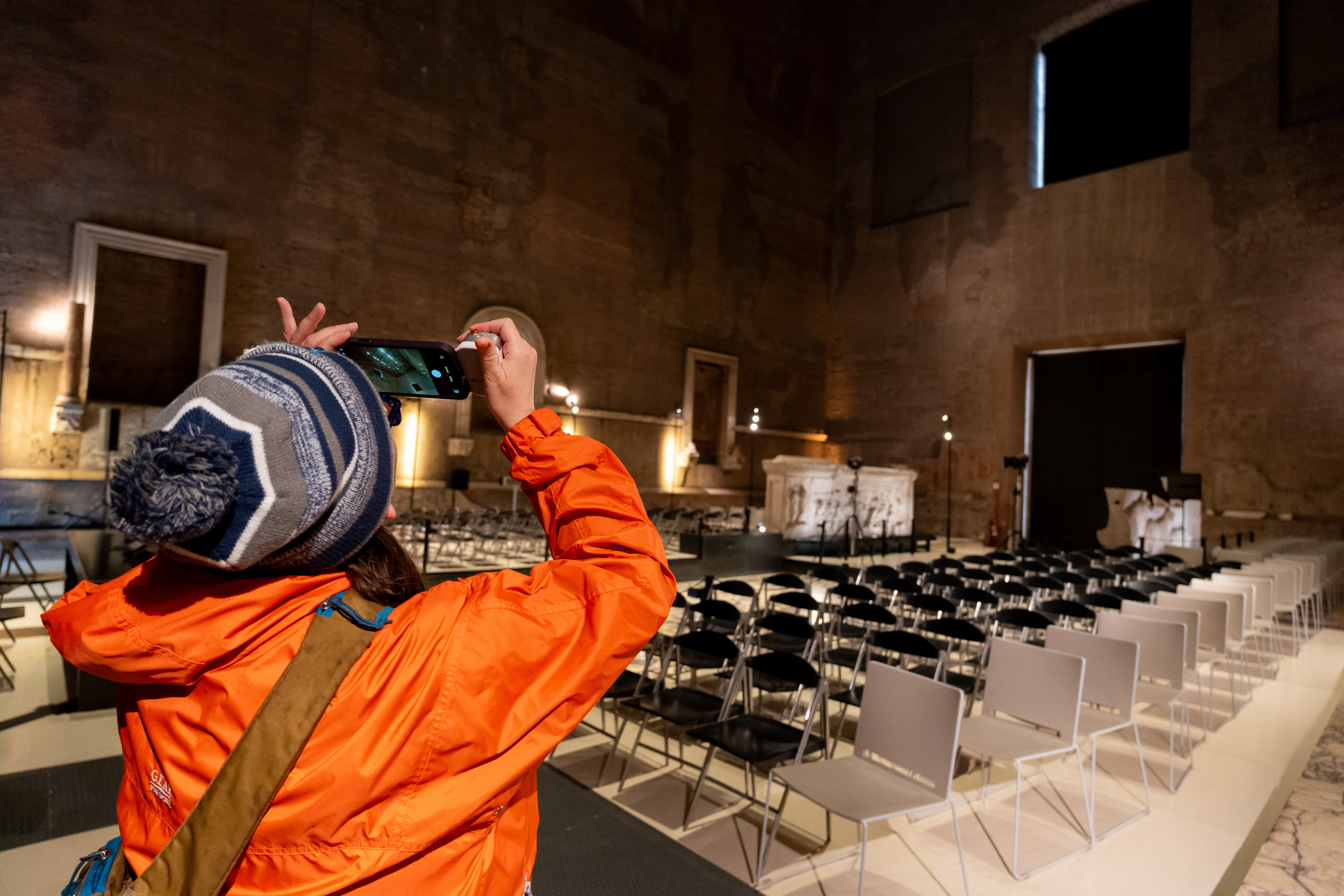
Curia Julia - Where the Roman Senate governed the Roman Empire for 650 years, built in 44 BC by order of Julius Caesar; converted to a church in the 7th century AD.
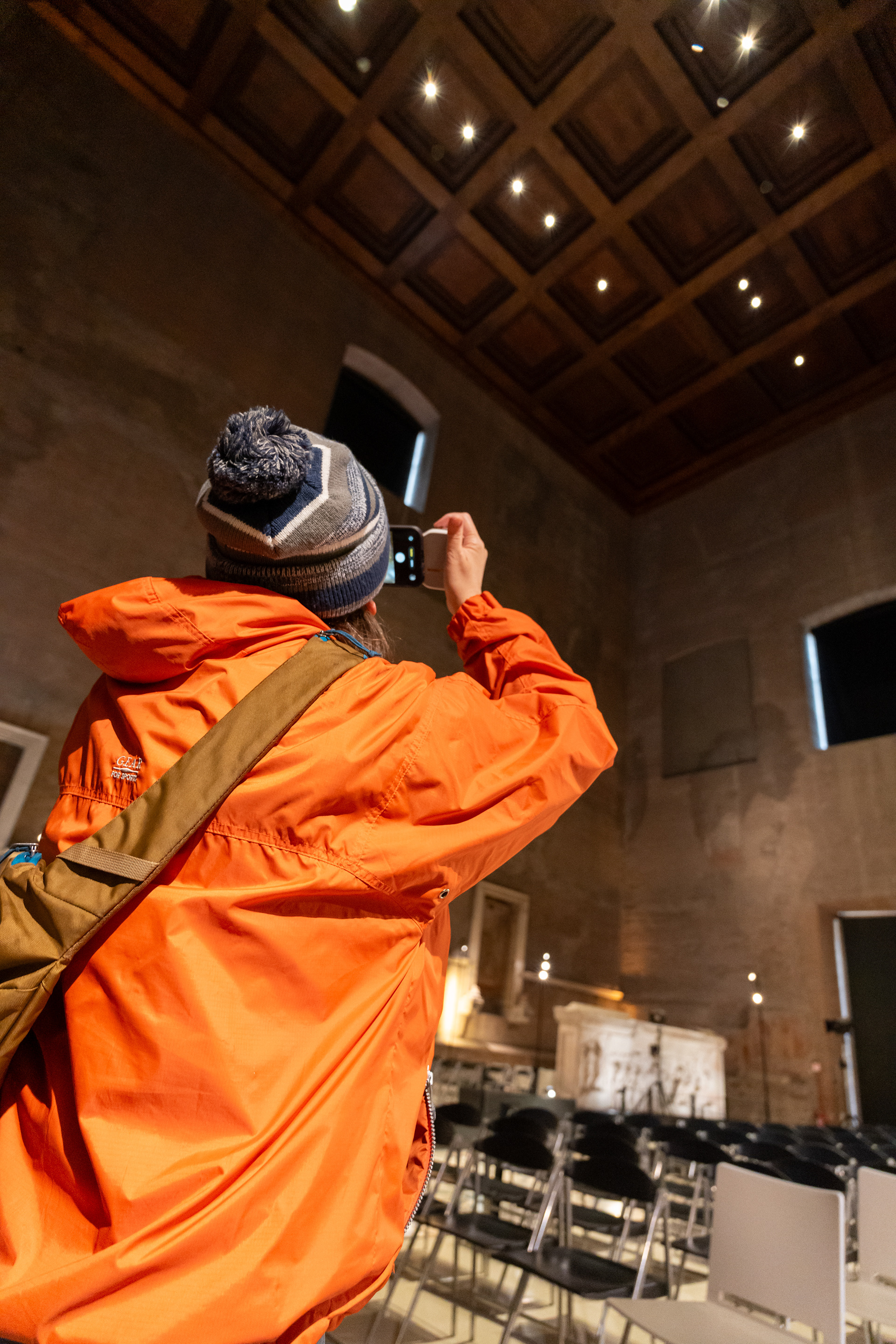
Curia Julia - Where the Roman Senate assembled, built in 44 BC by order of Julius Caesar.
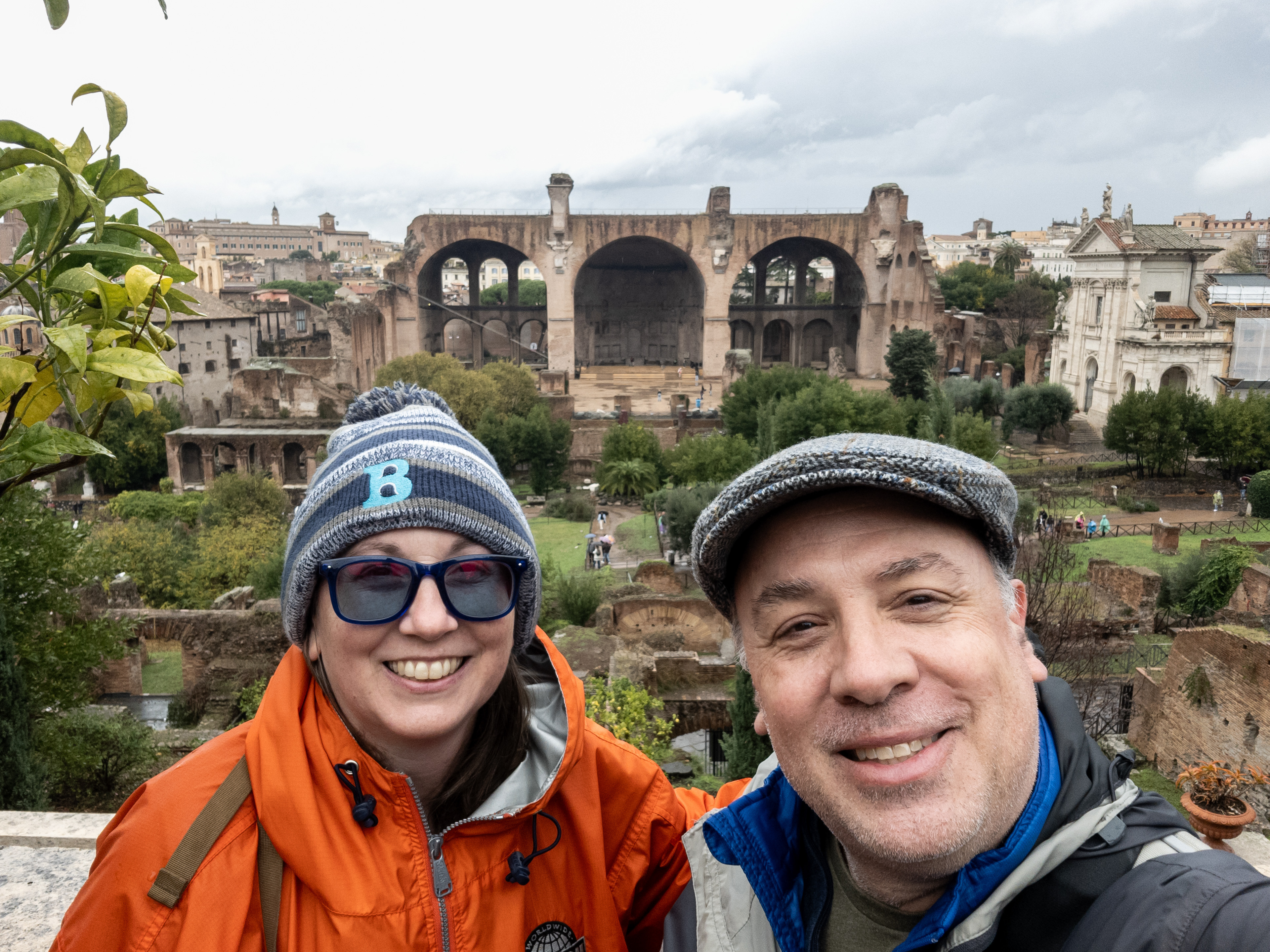
Basilica of Maxentius and Constantine - Built in AD 306, it was the last and largest of Rome’s civic halls. It was a law court and administrative center rather than a church. Today only the three great vaults of the north aisle remain.
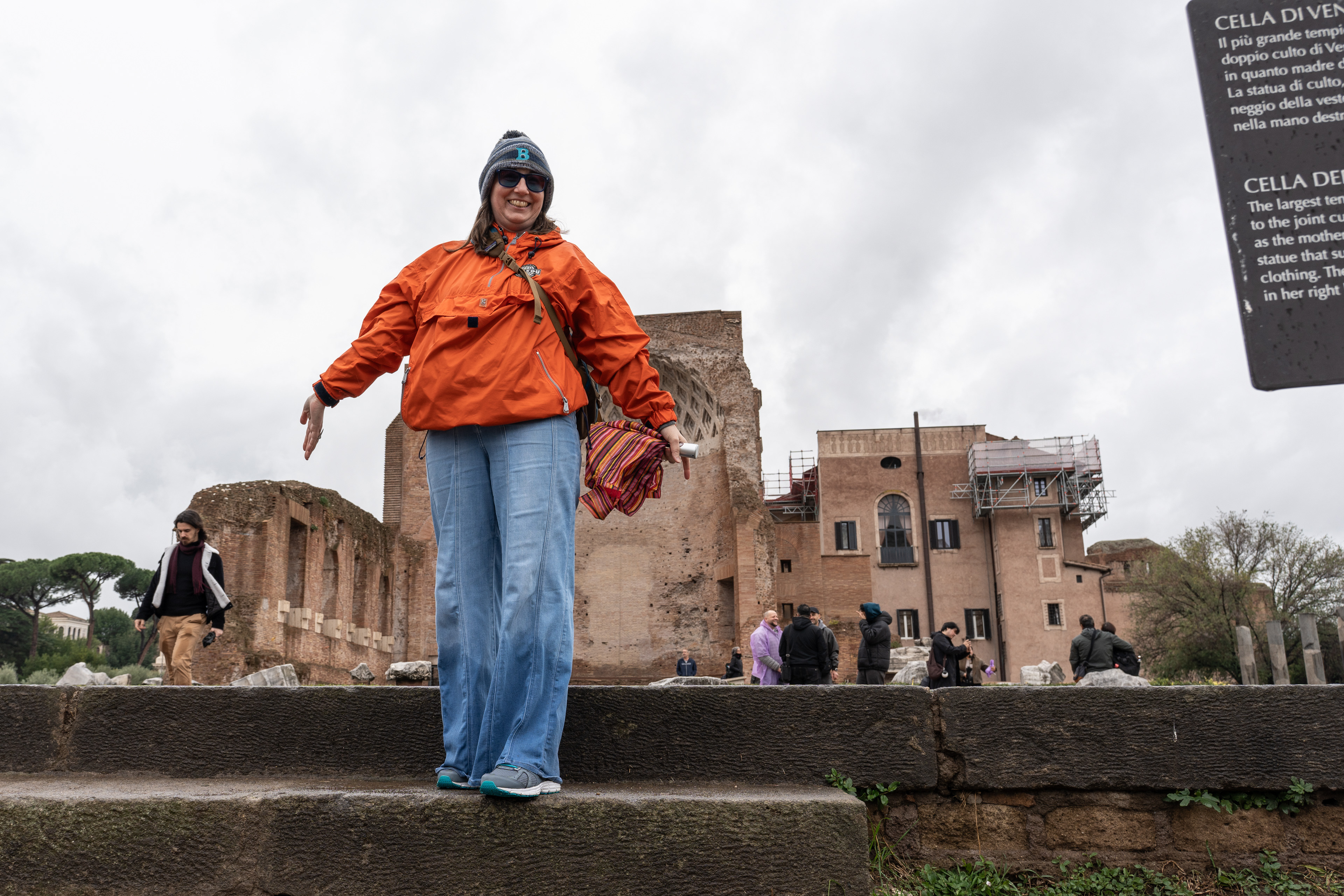
The ruins of the Temple of Venus and Rome, across from the Colosseum, built by Emperor Hadrian in AD 135-141.
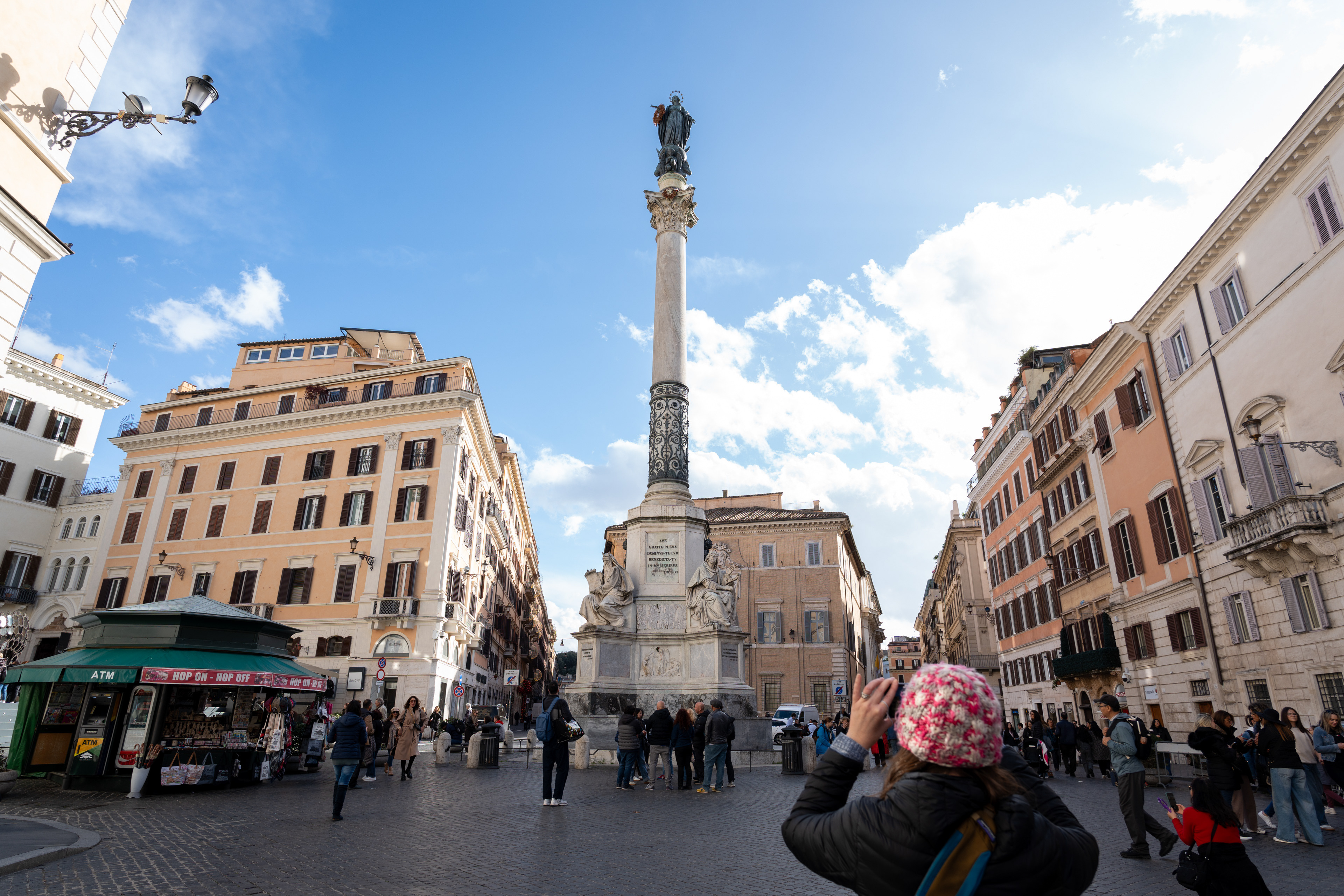
Piazza Mignanelli, beside the Spanish Steps. In the center is a column dedicated to the dogma of the Immaculate Conception, raised on 8 December 1857.
Colosseum
Constructed between 70–80 AD by the Flavian emperors (Vespasian, Titus, and Domitian), the Colosseum in is a massive stone amphitheater built as a gift to the public, seating 50,000–80,000 spectators for gladiatorial combats and hunts. It served as the center of Roman entertainment for centuries, featuring 80 entrances, innovative engineering, and a complex underground hypogeum. After the Roman era, it suffered damage from earthquakes and stone-robbing before being preserved in the 18th century as a sacred site
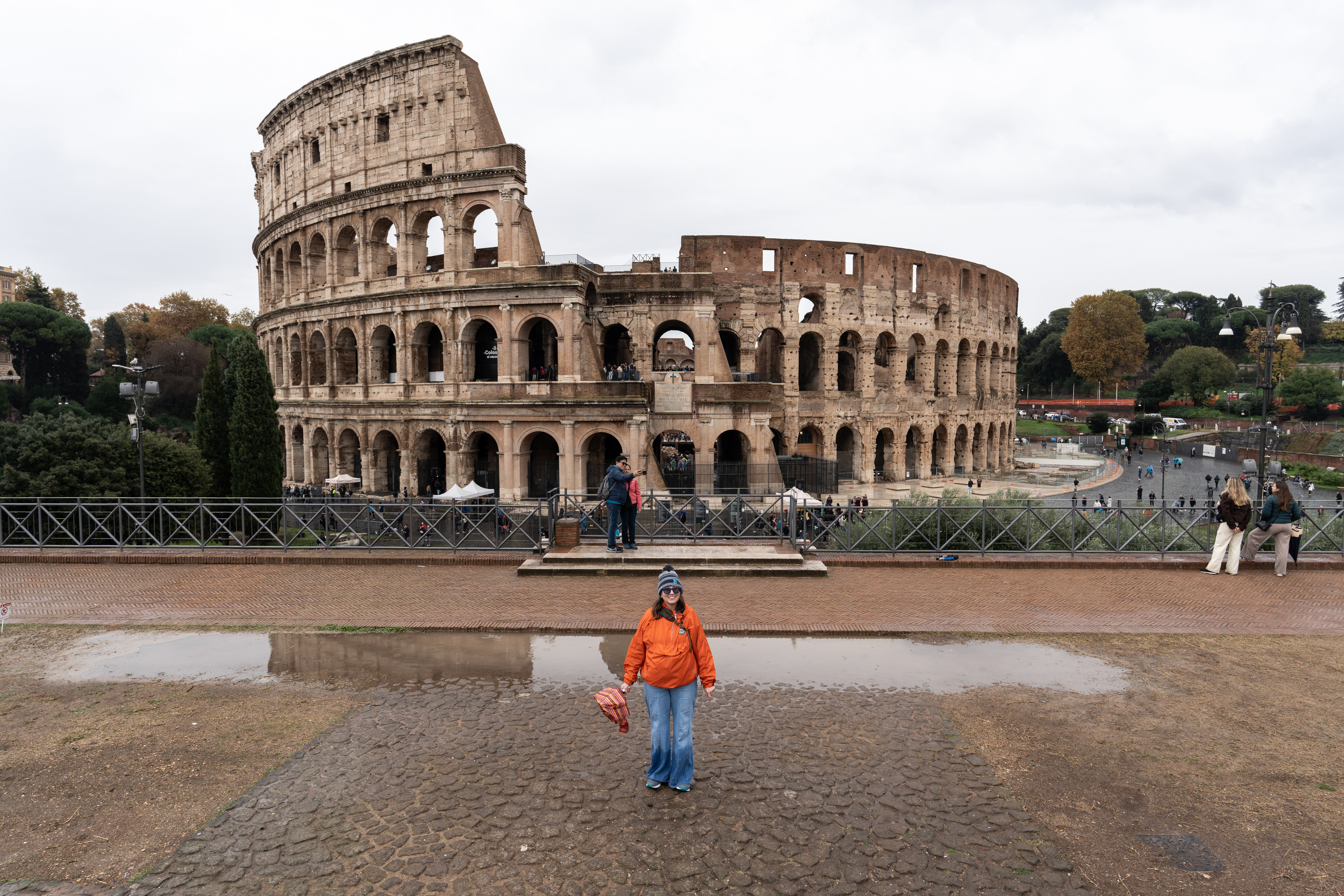
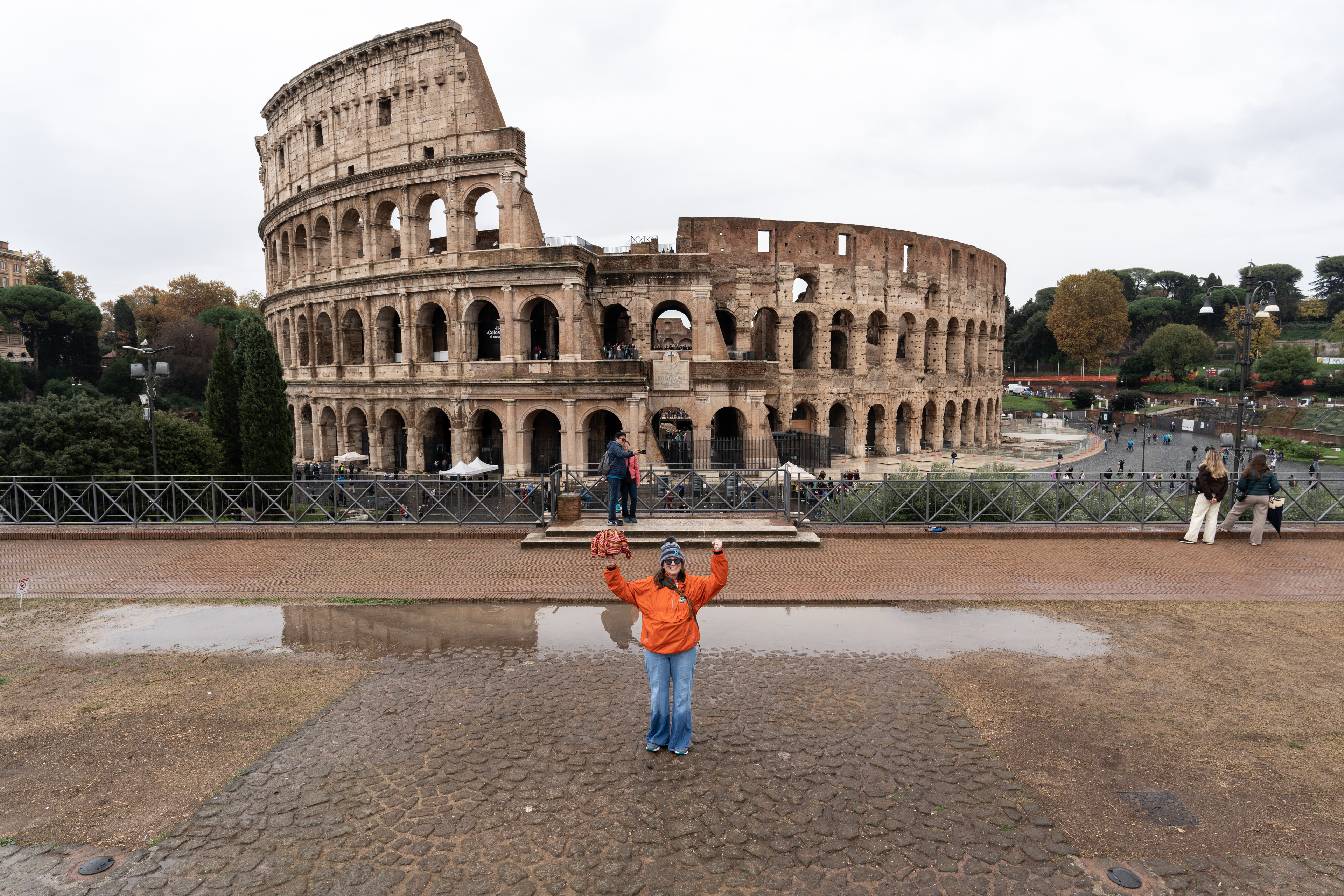
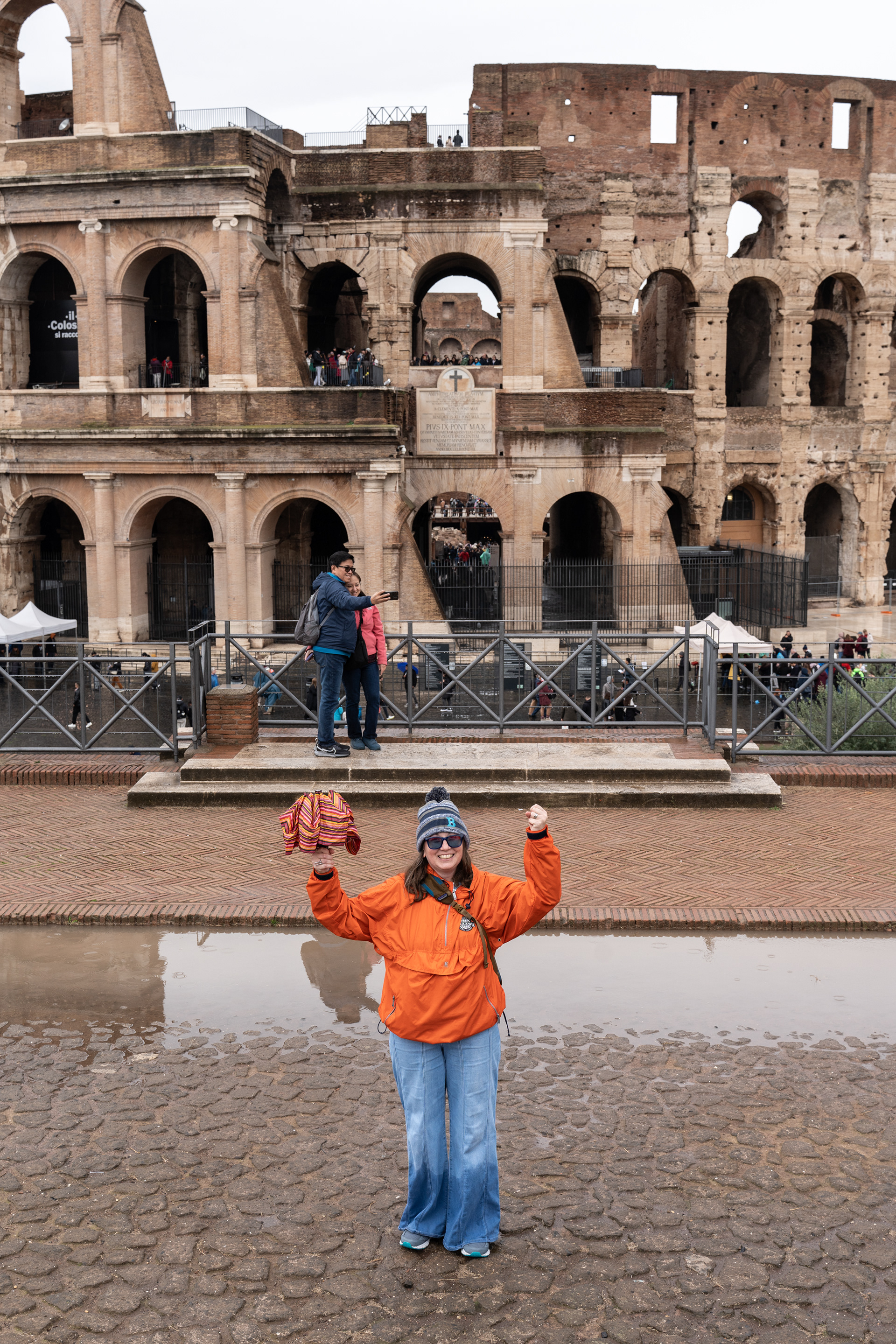
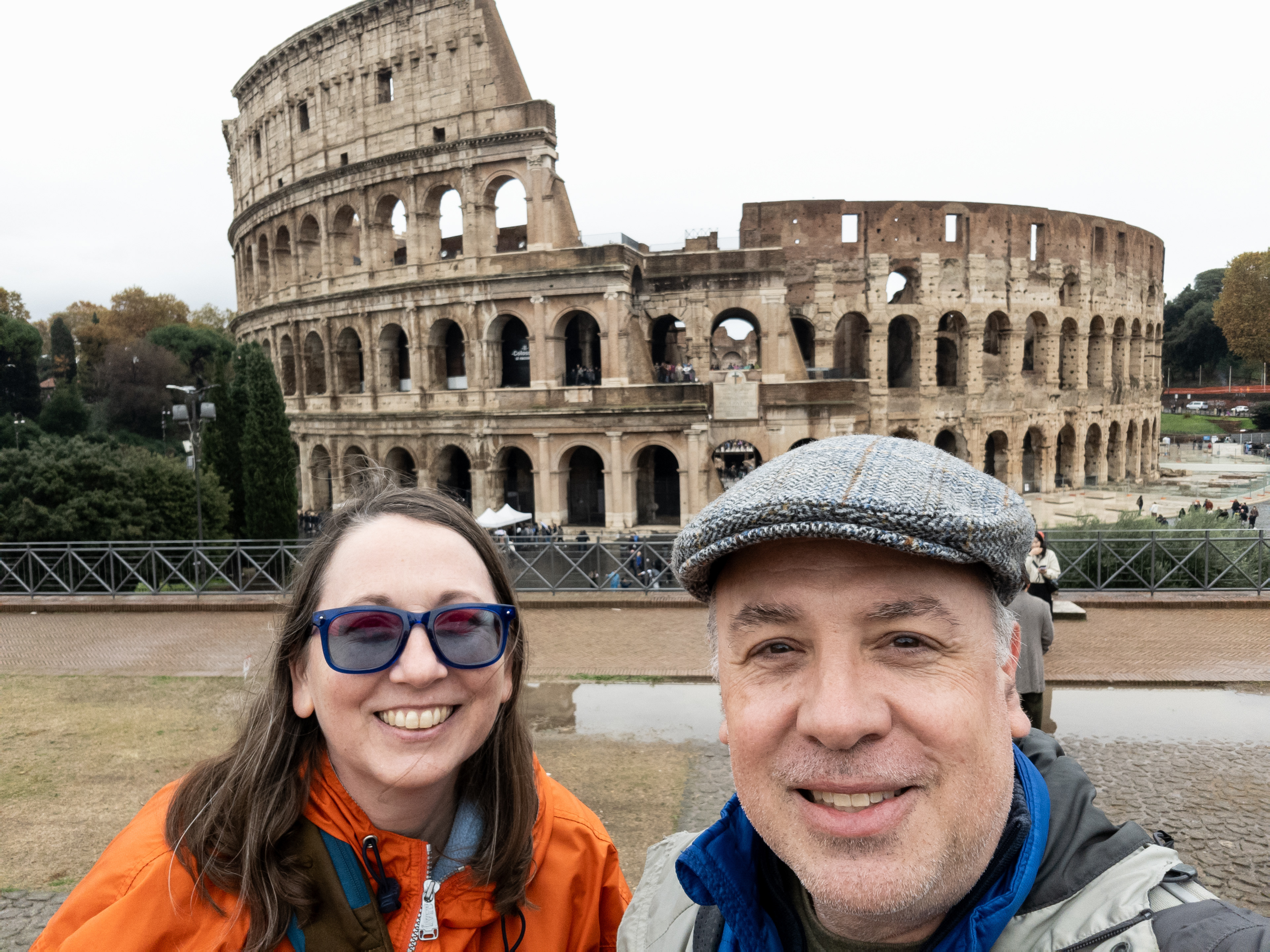
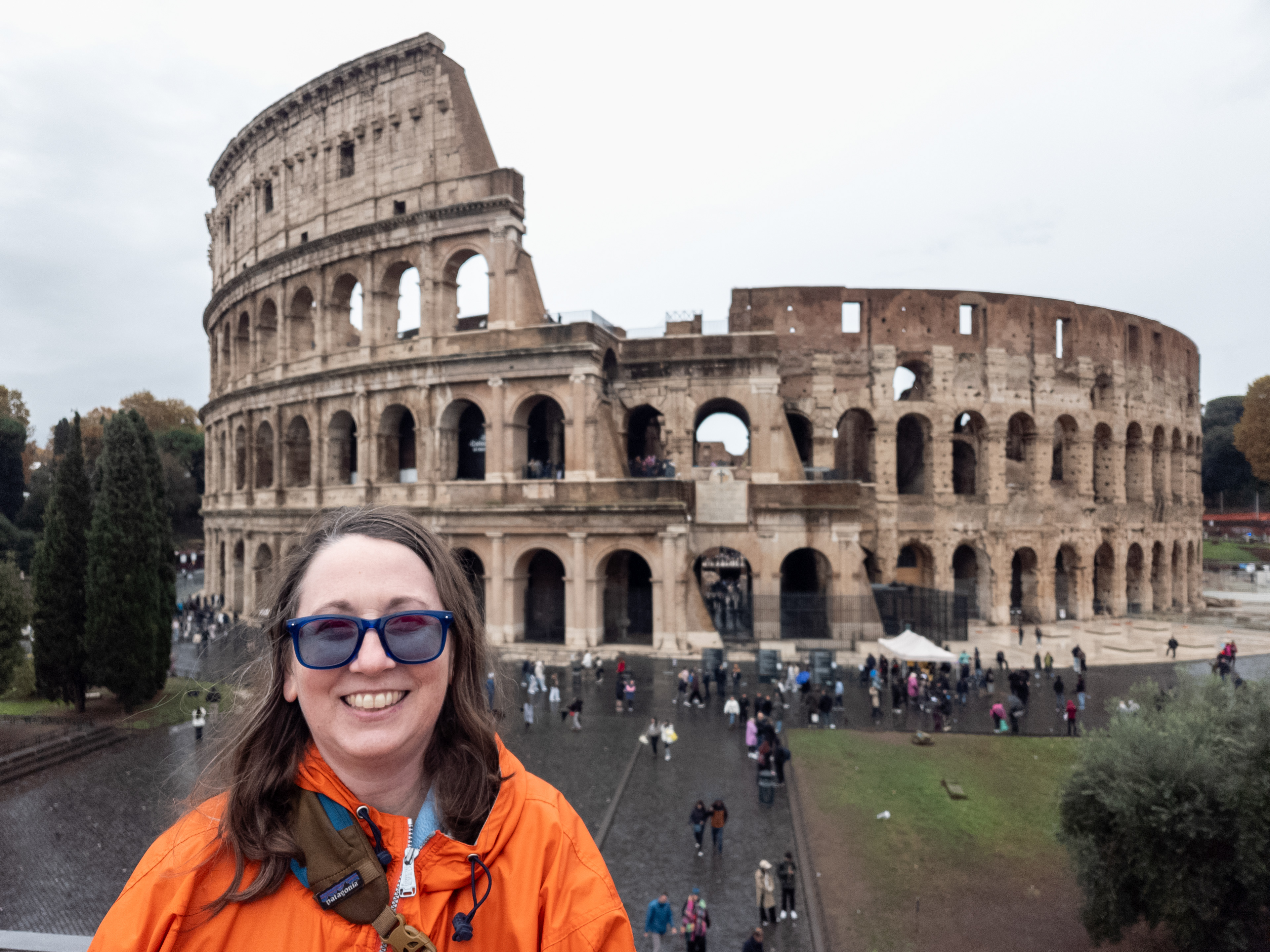
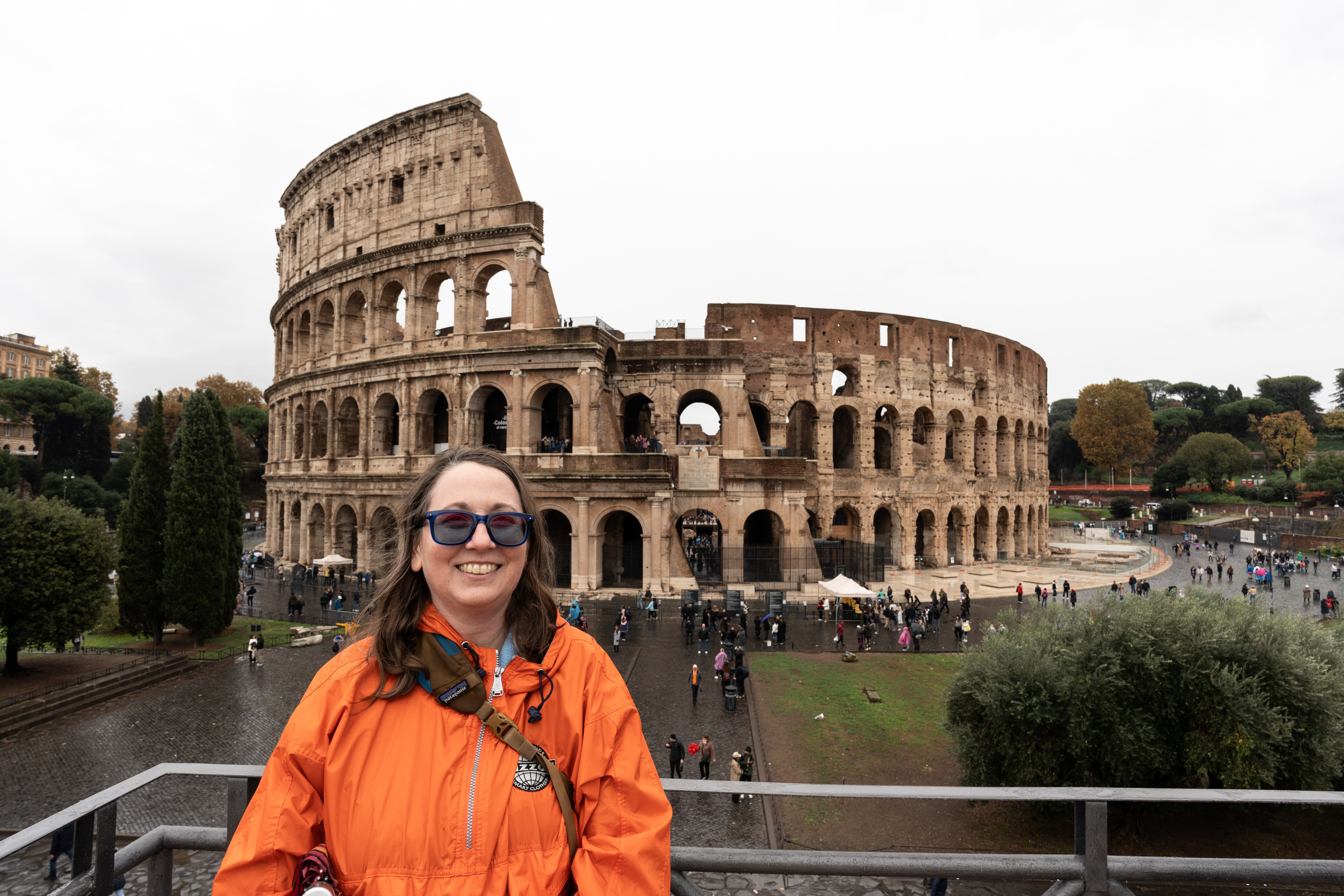
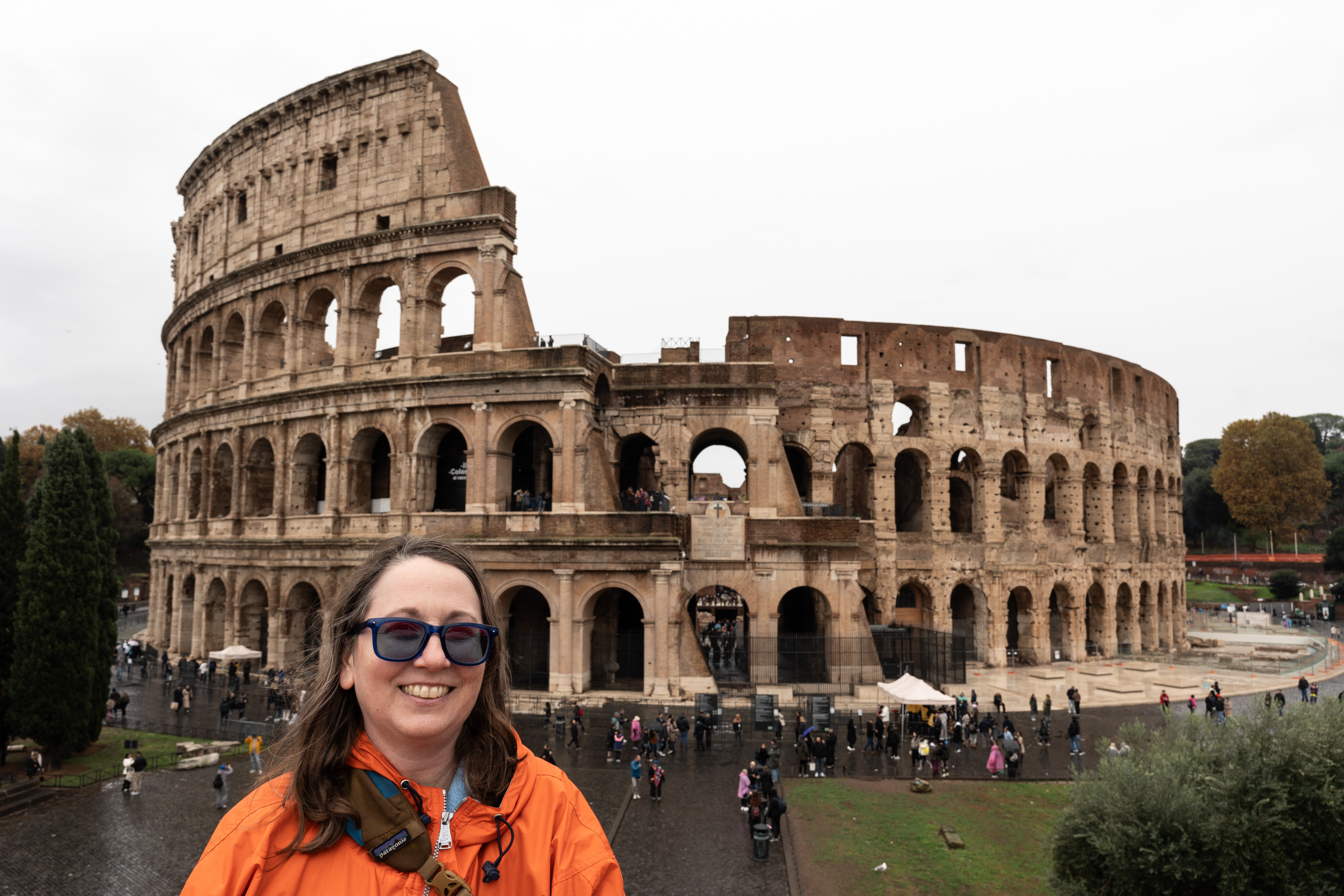
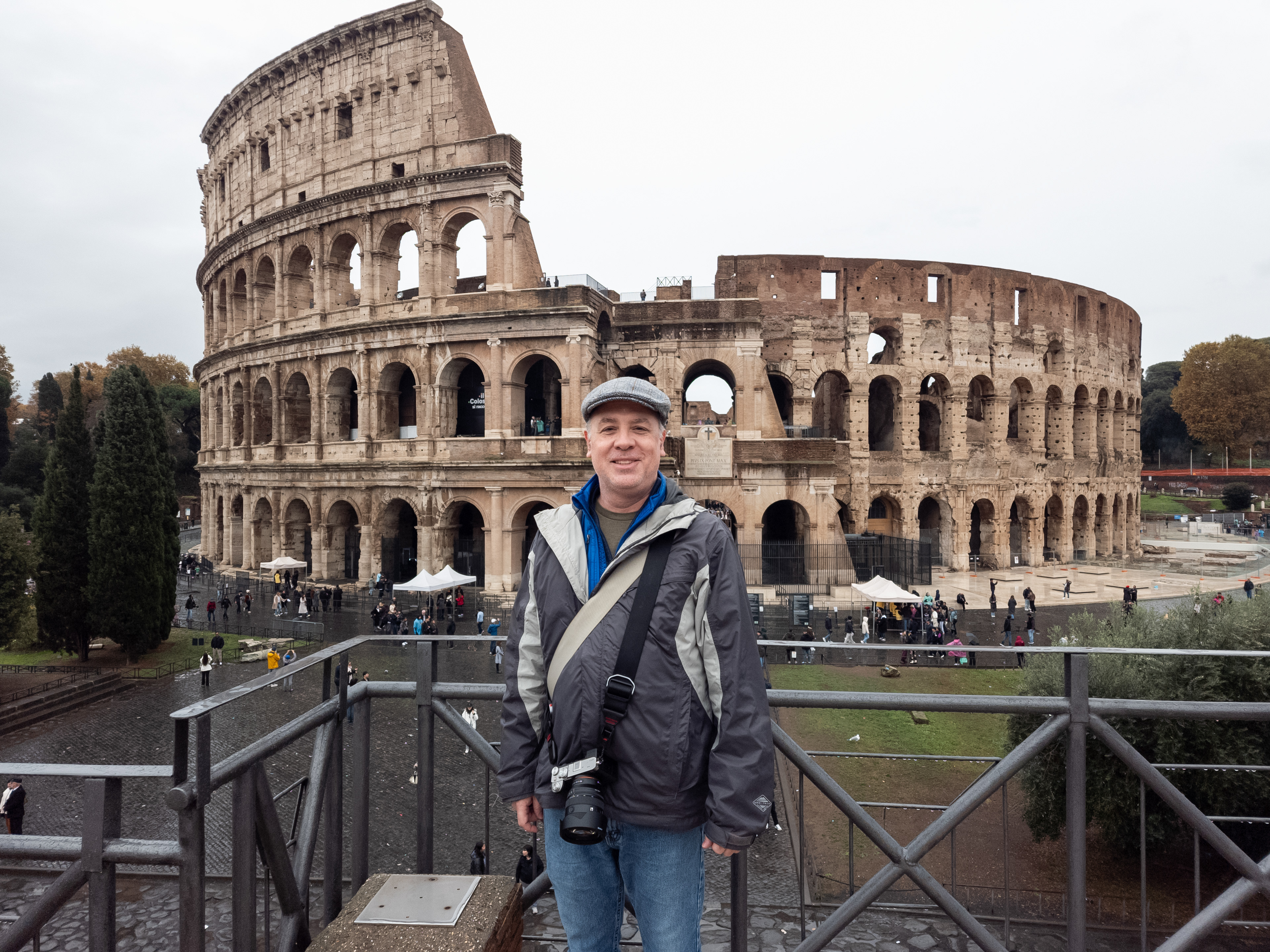
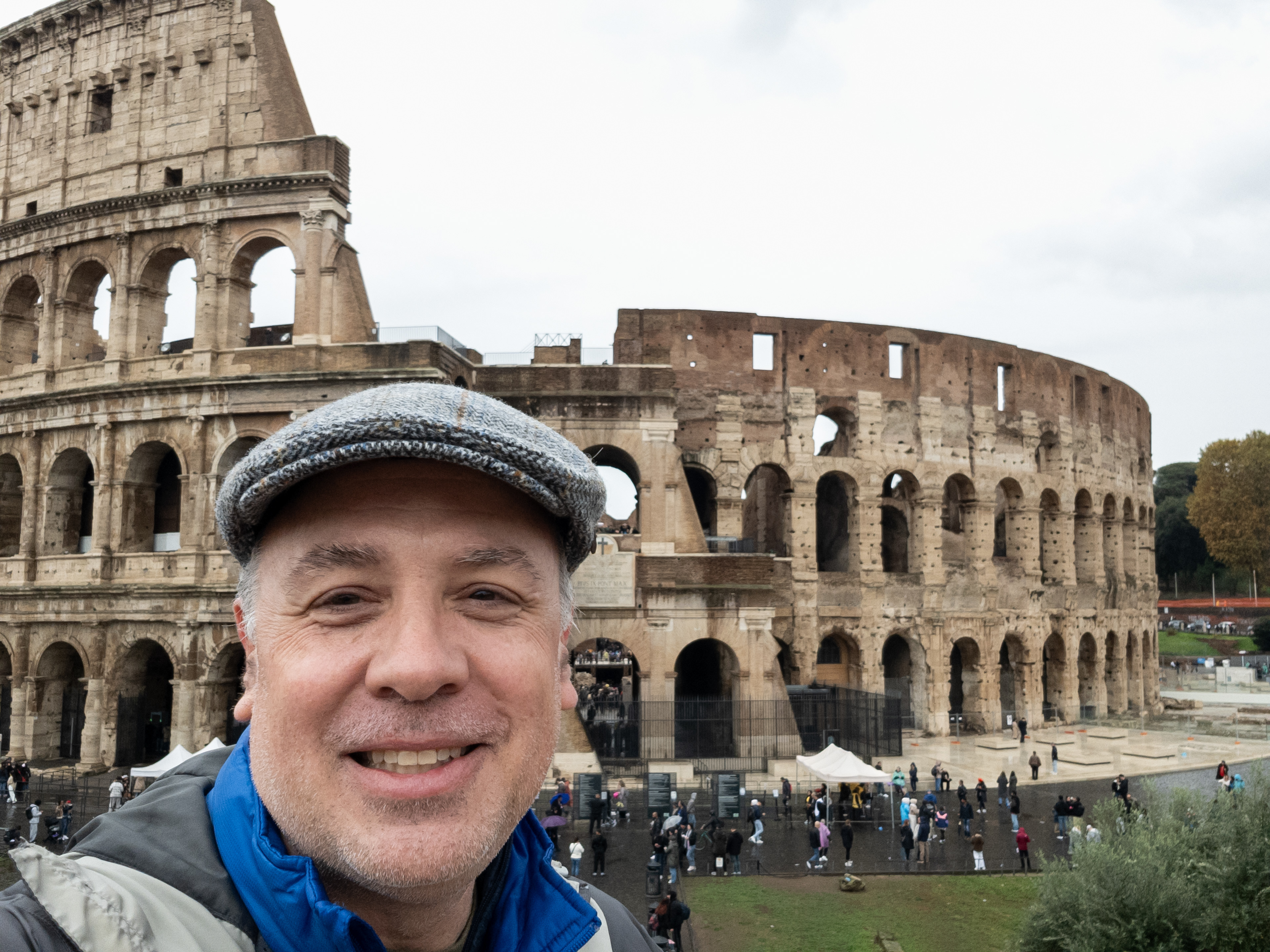
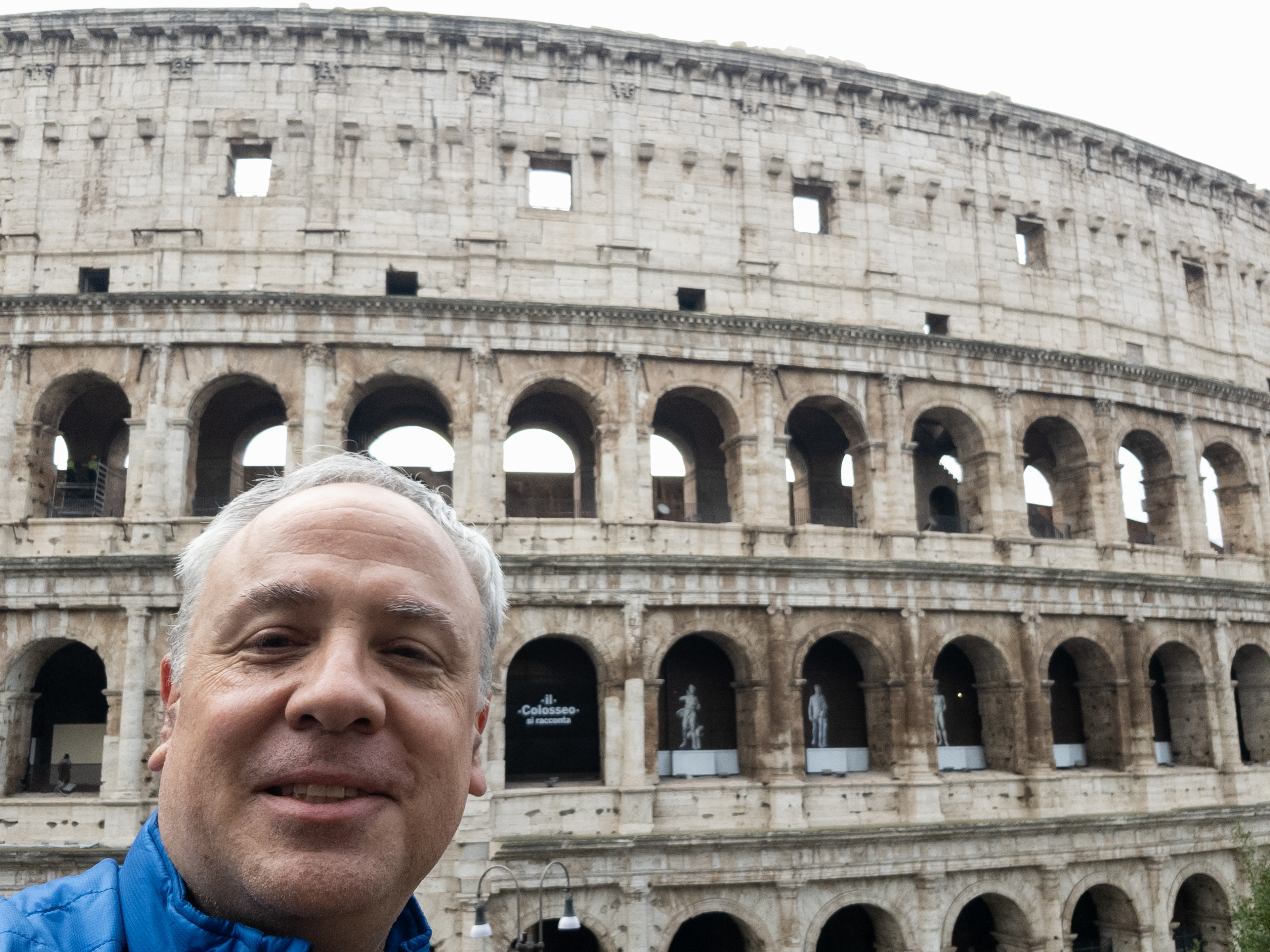
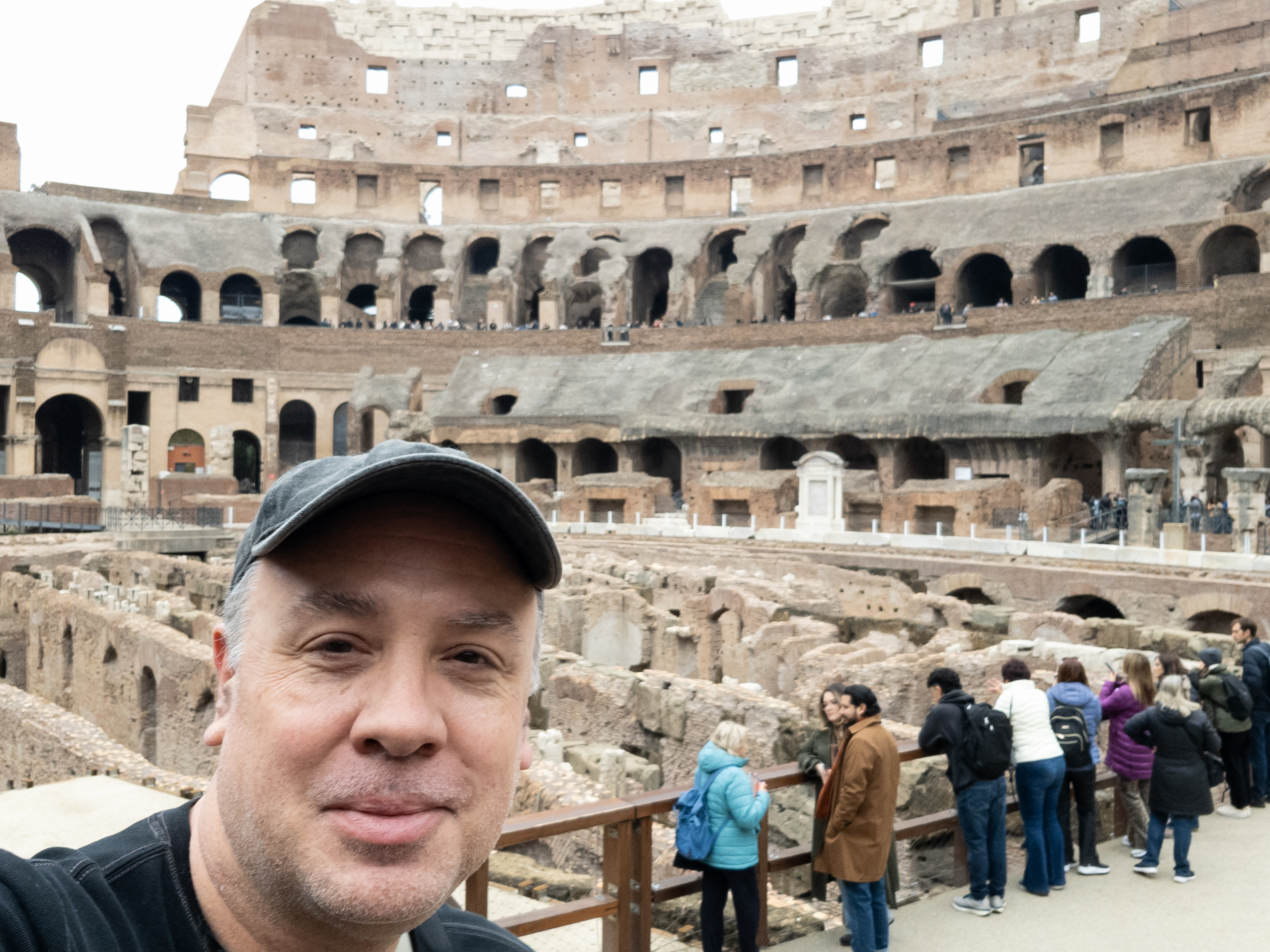
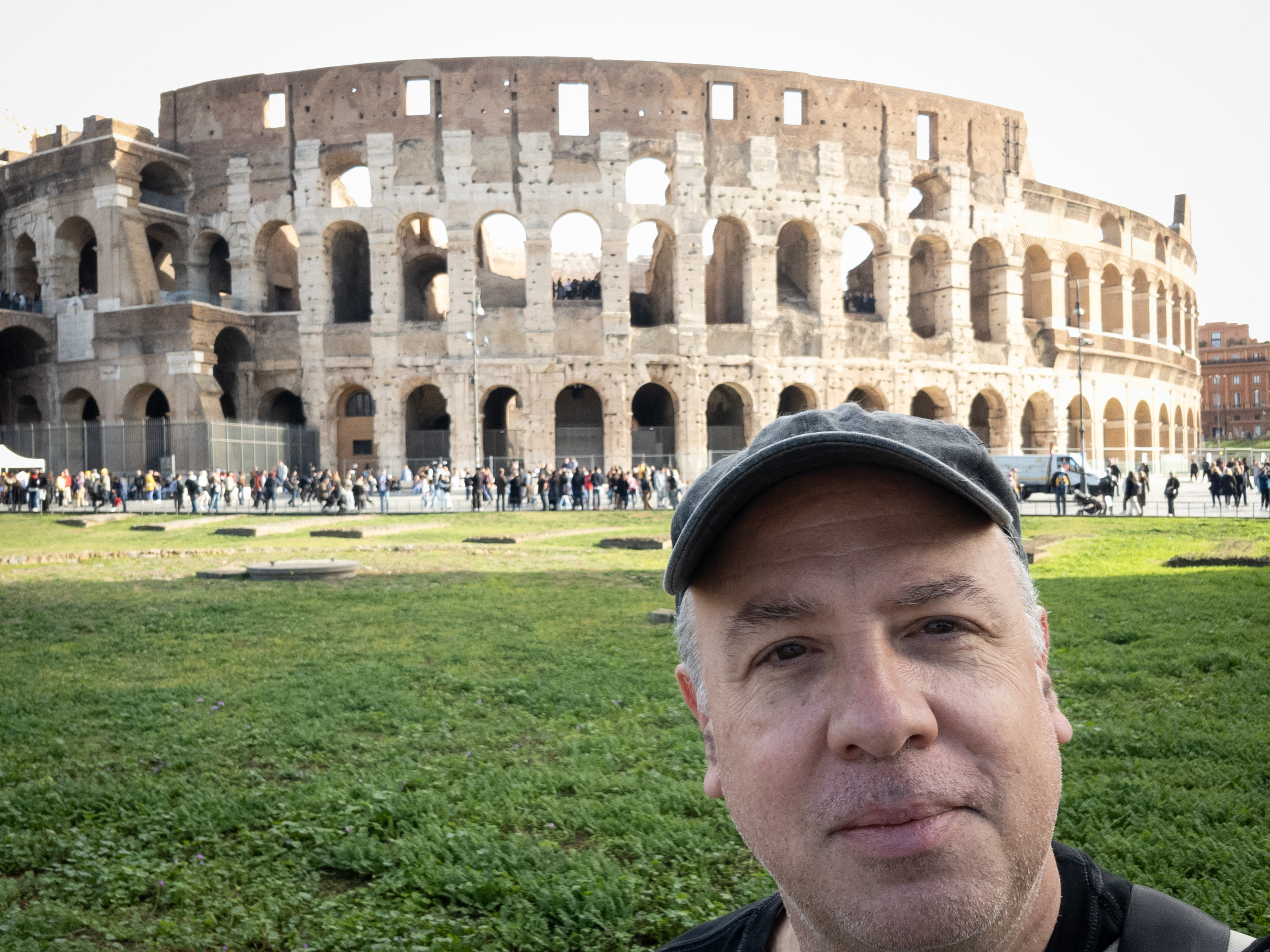
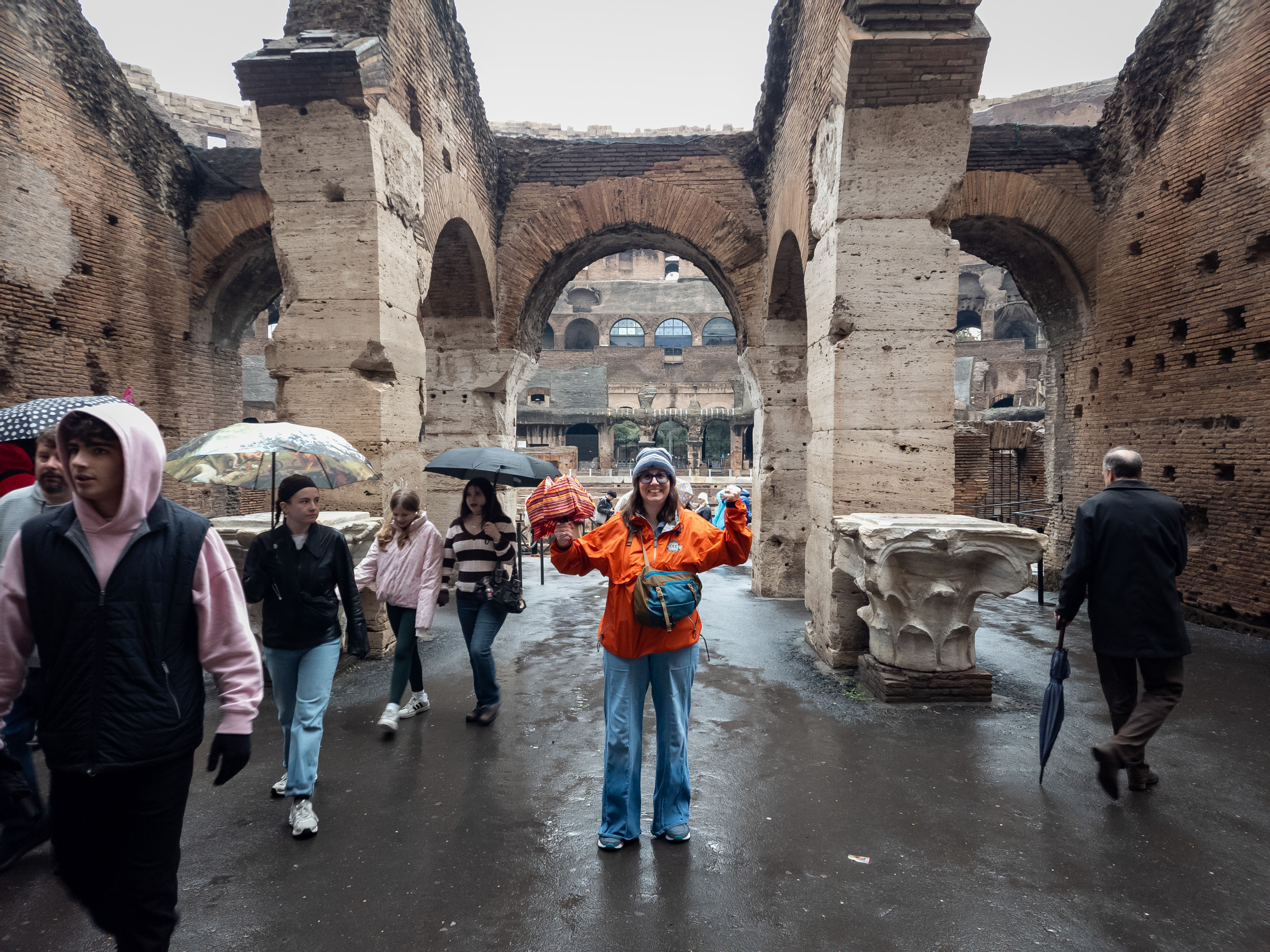
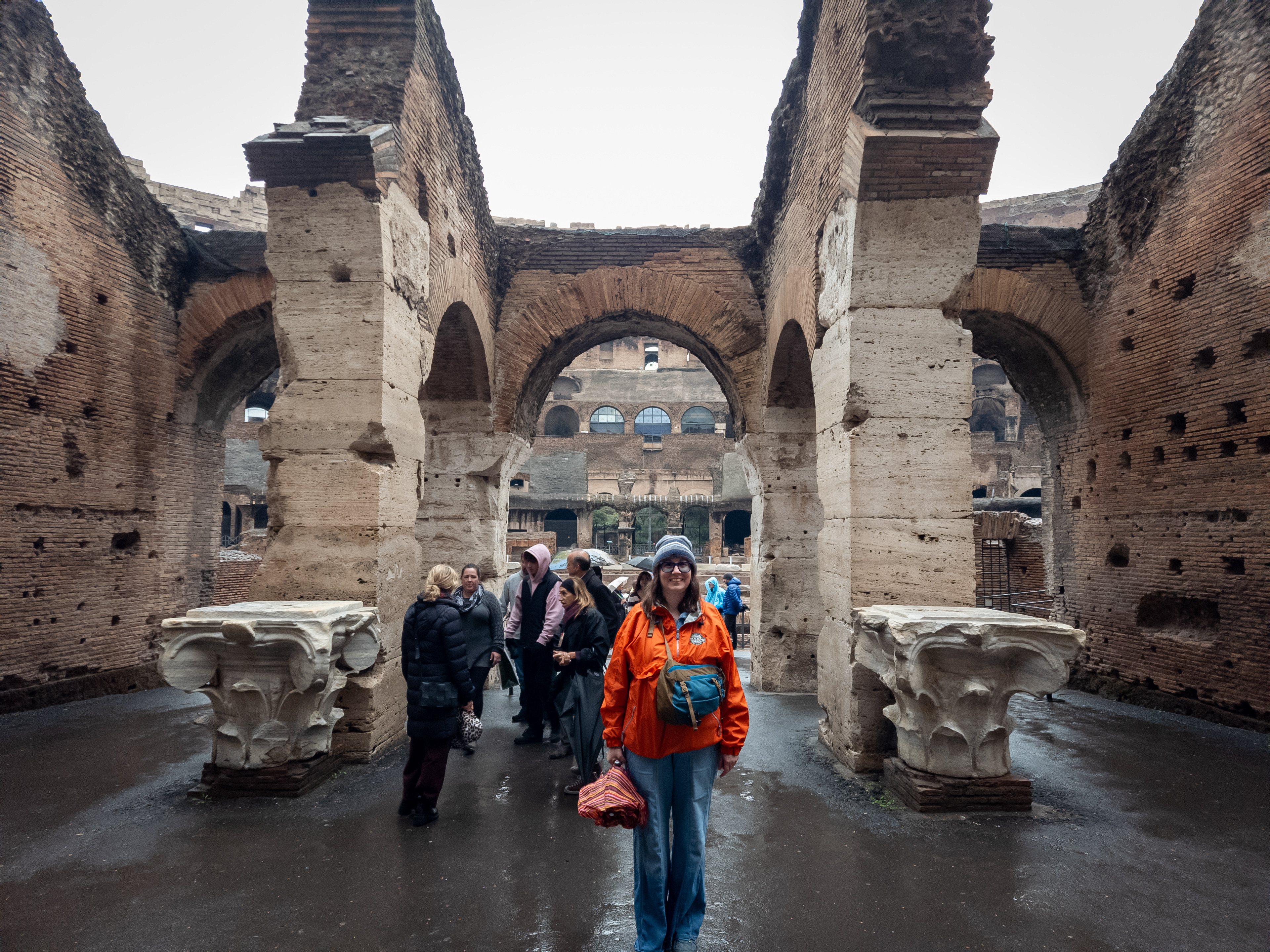
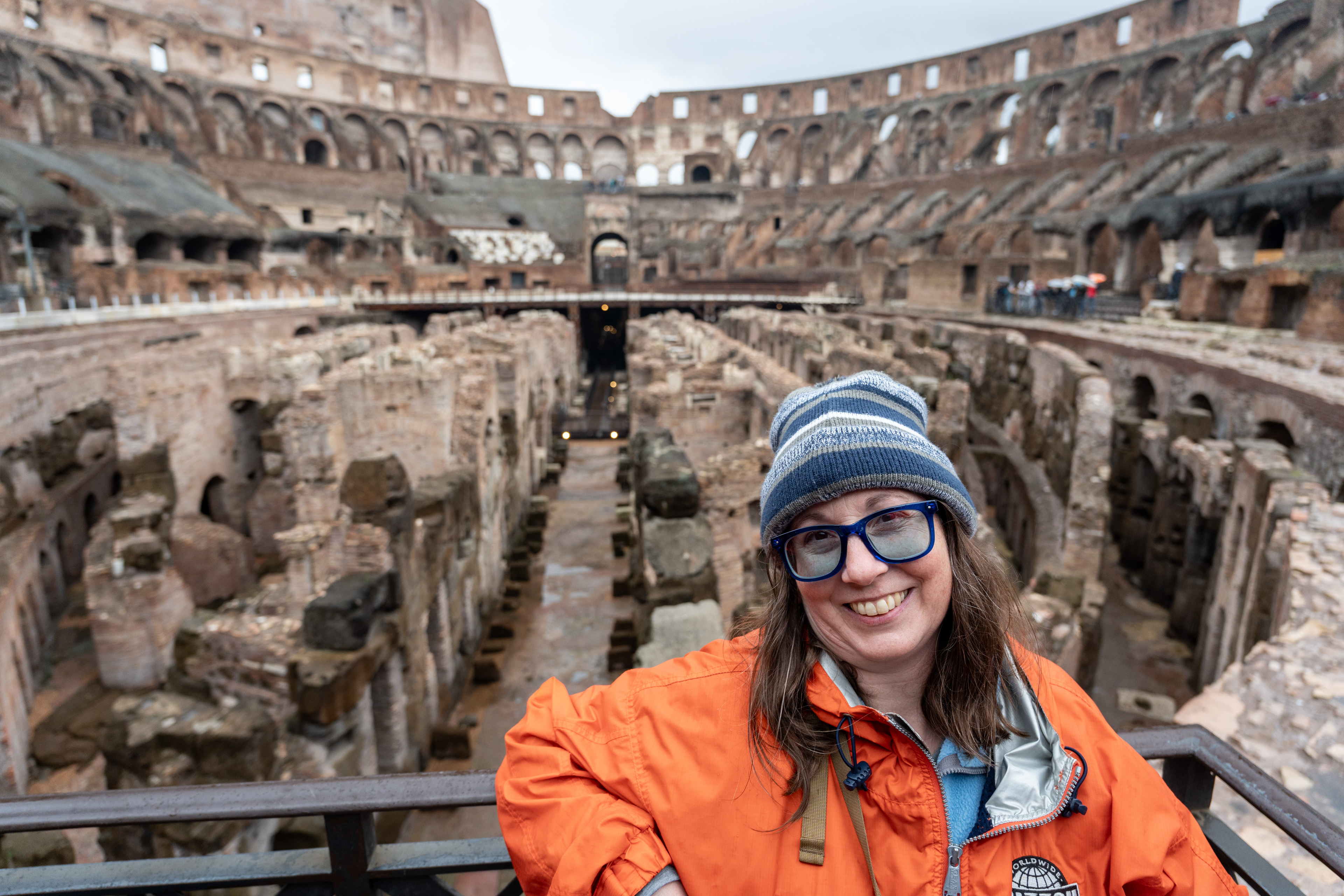
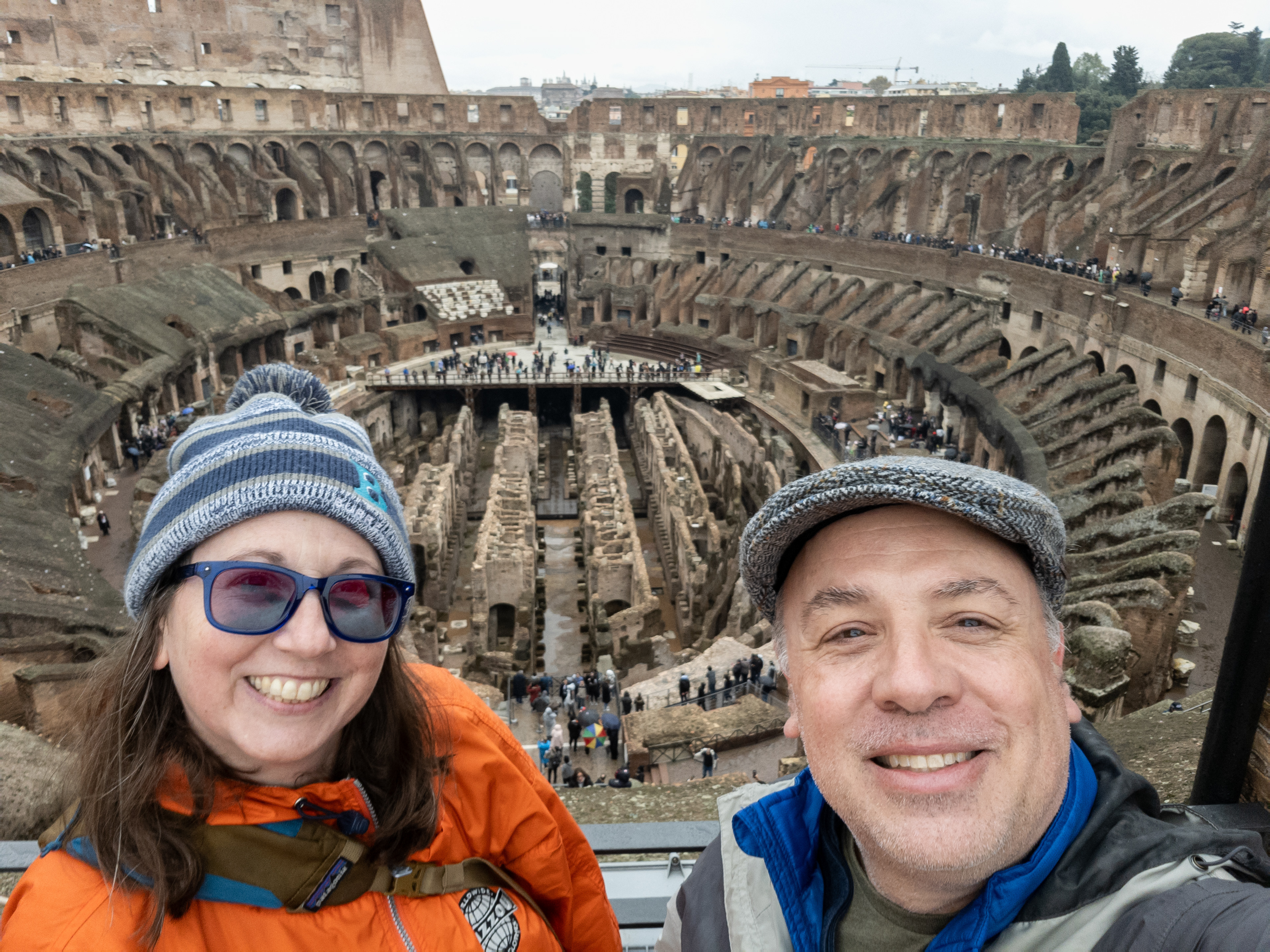
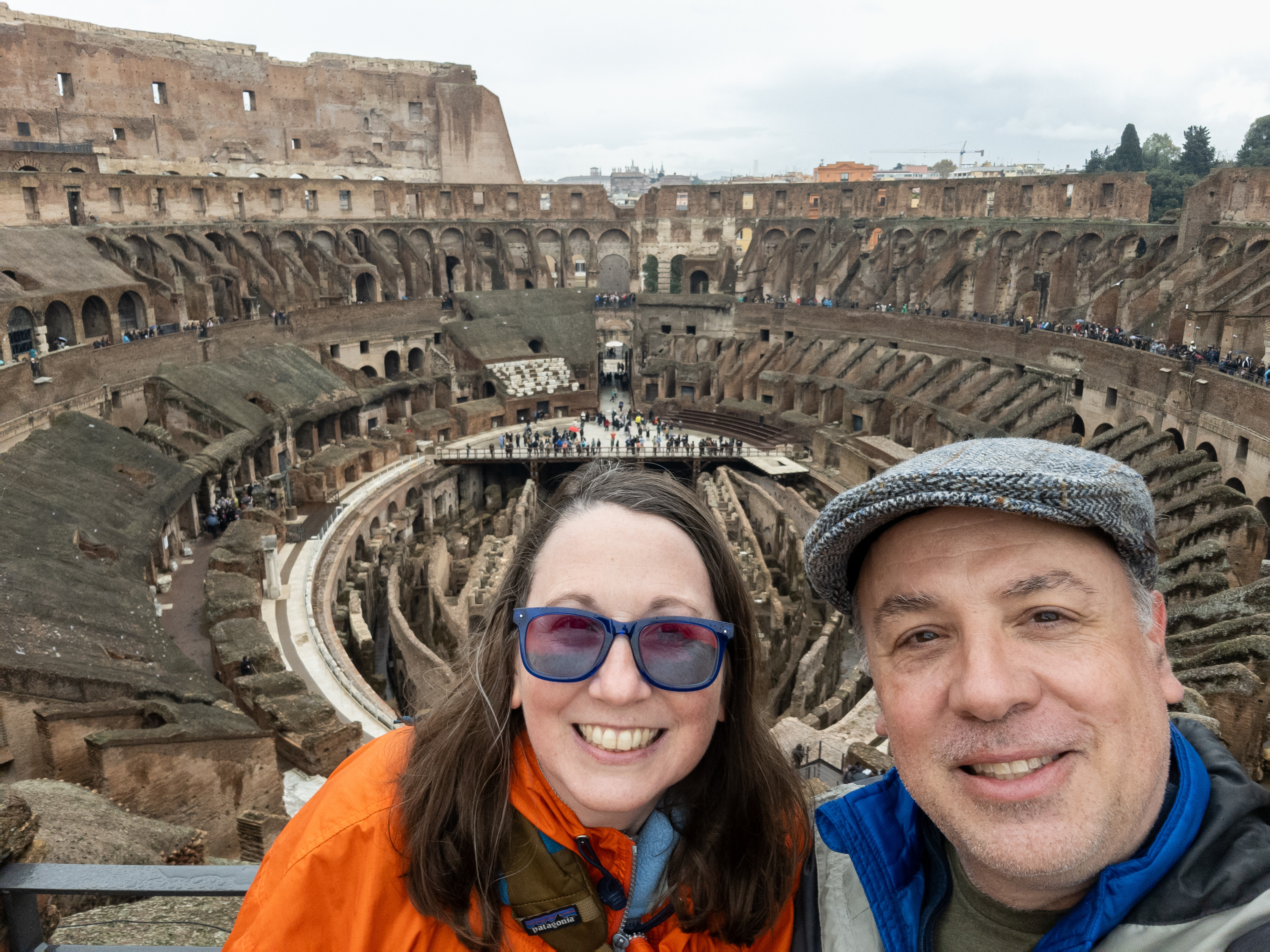
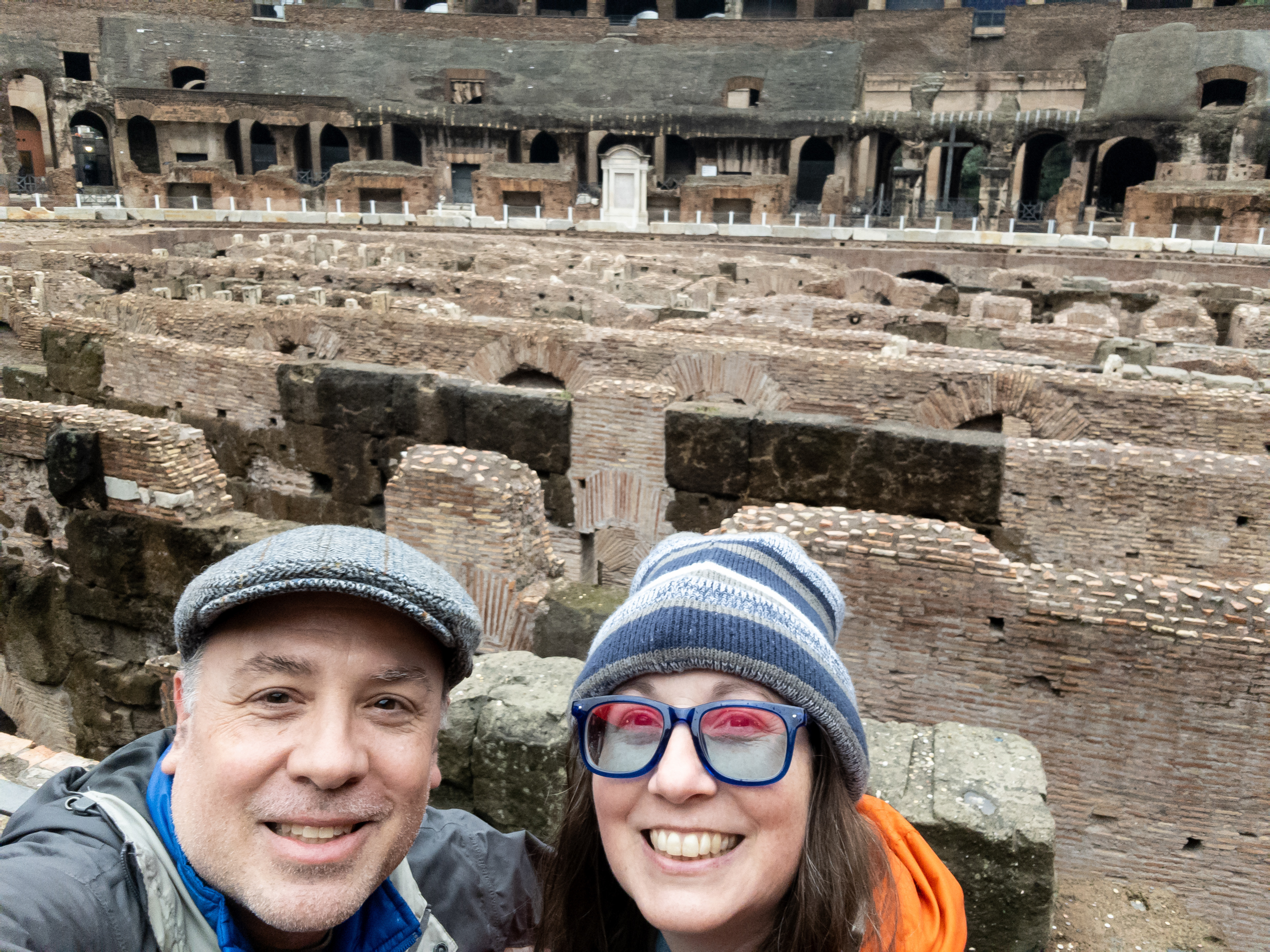
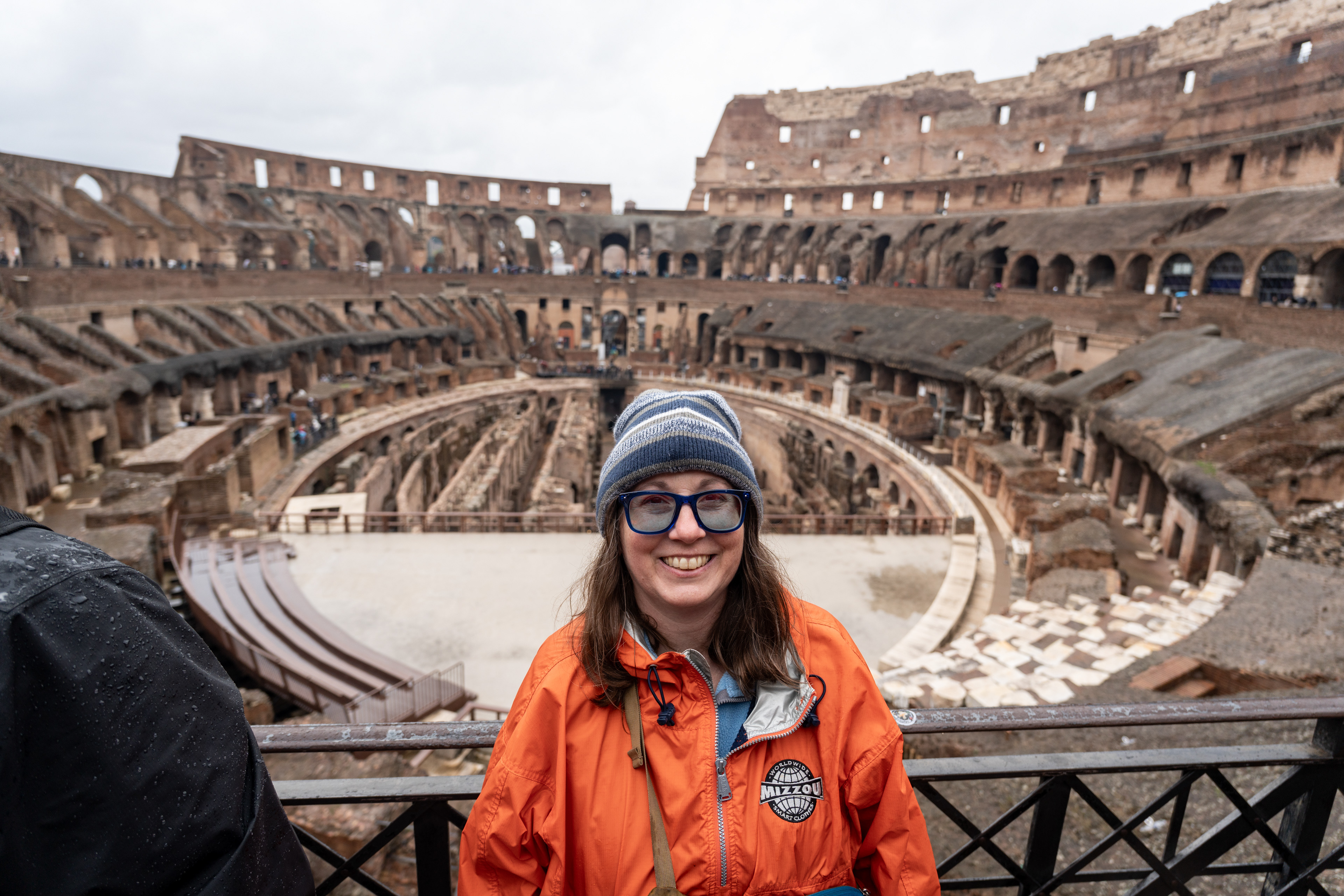
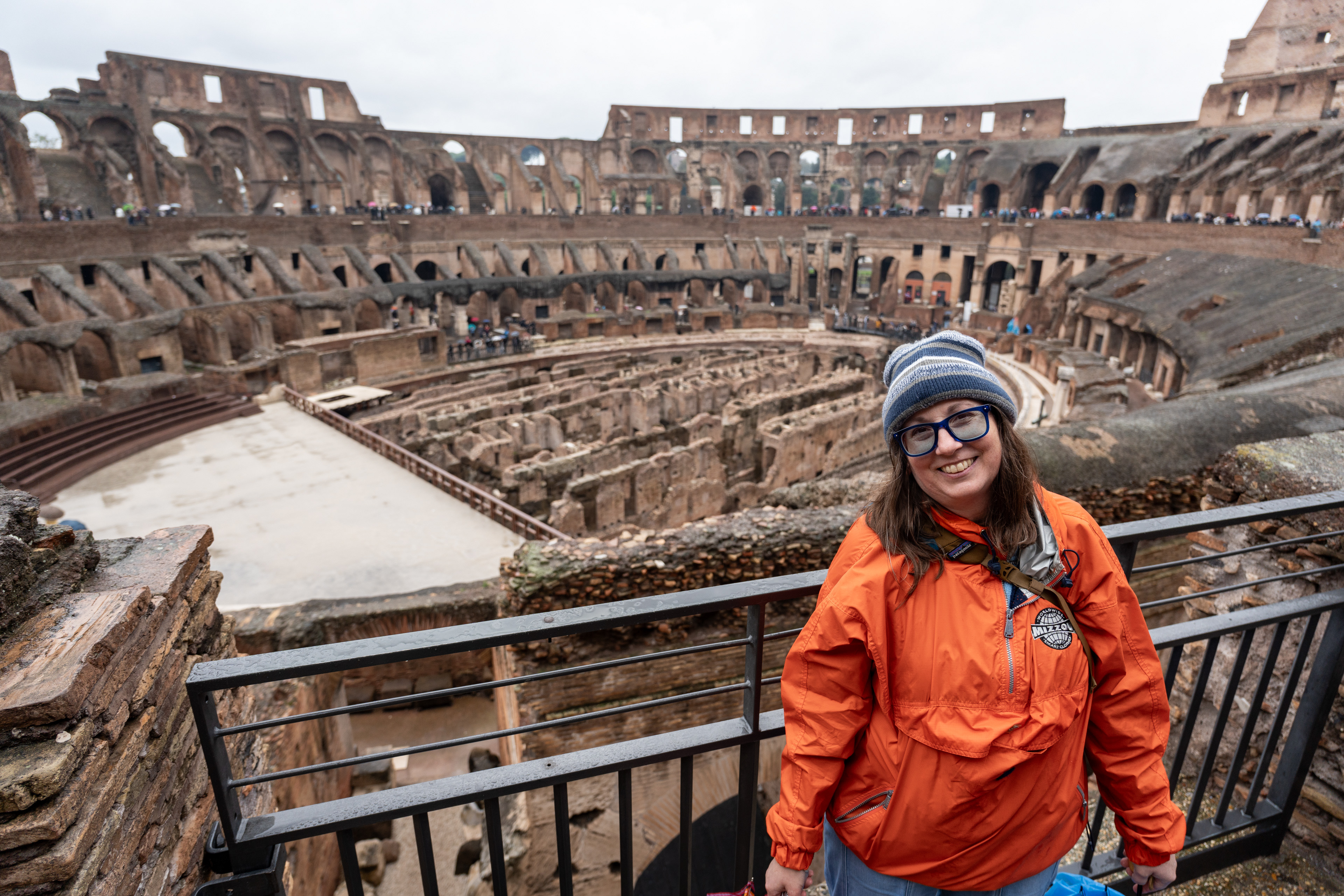
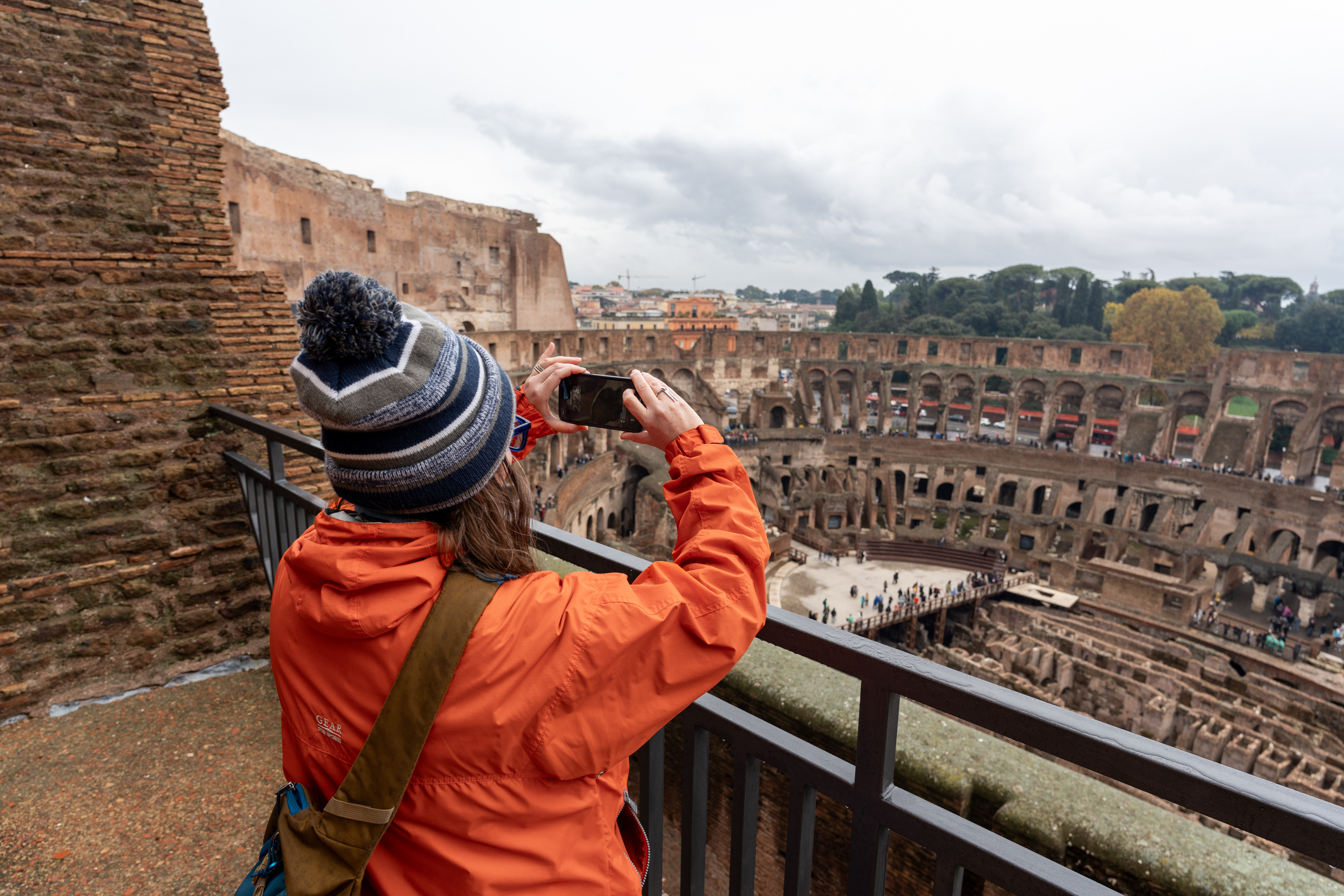
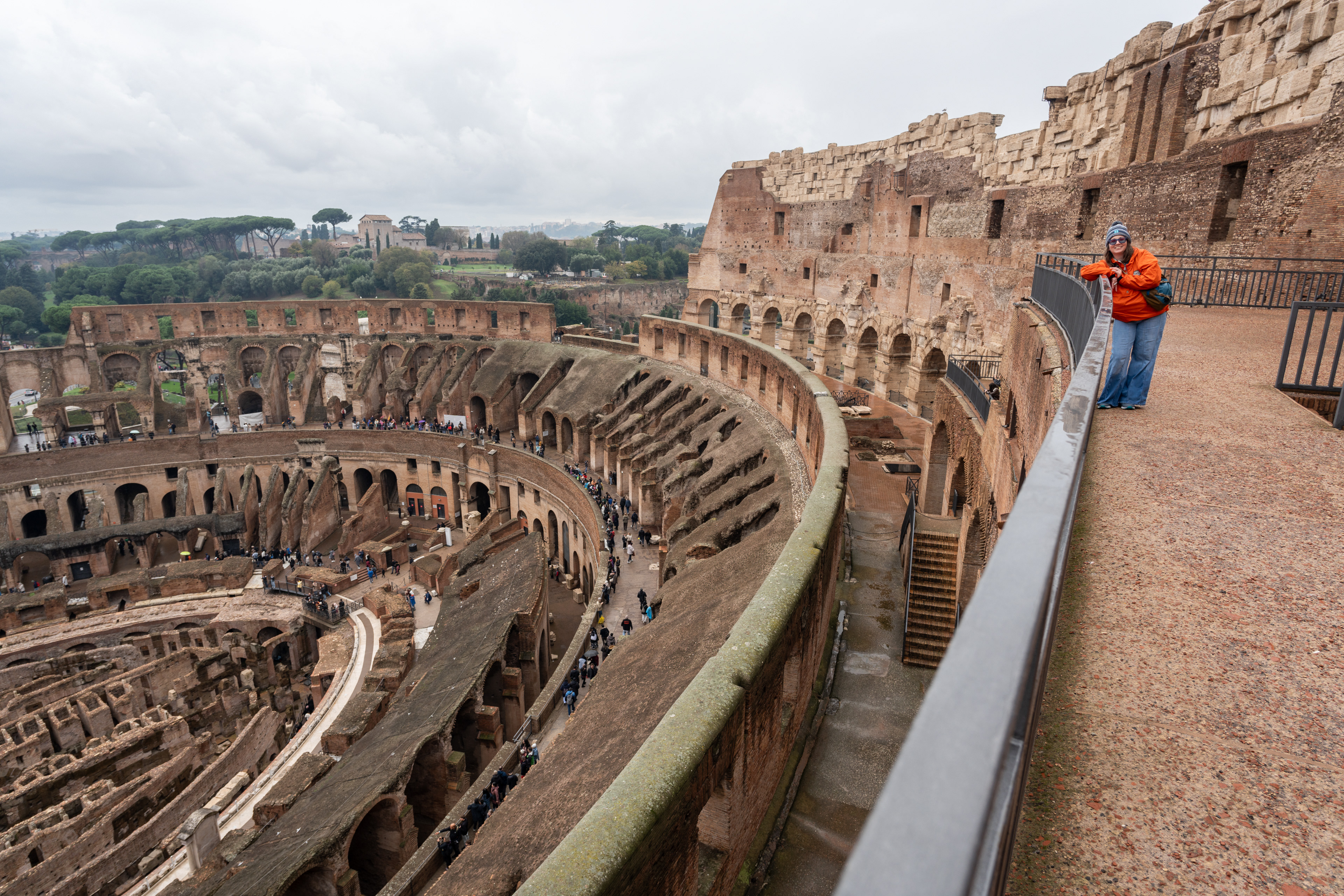
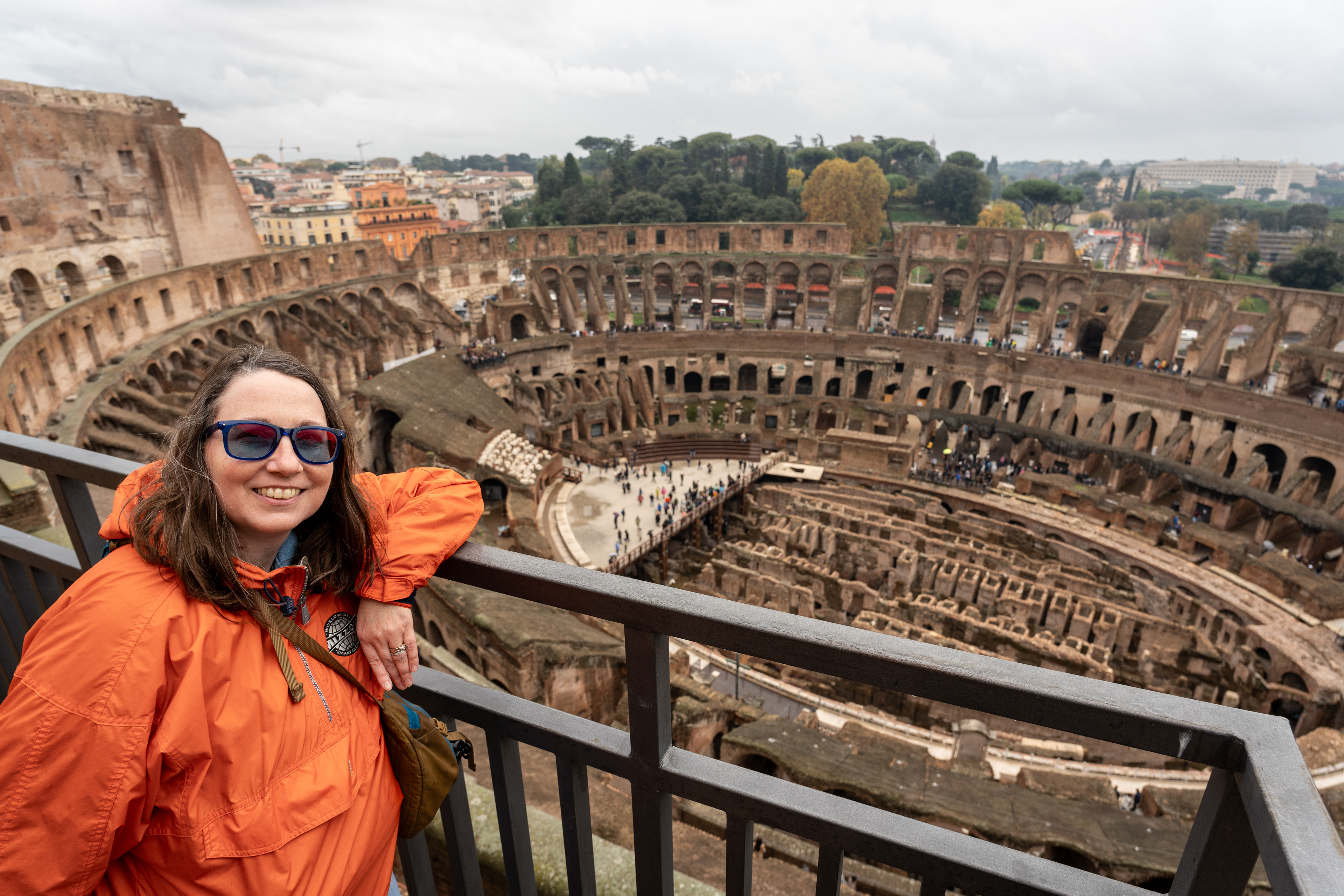
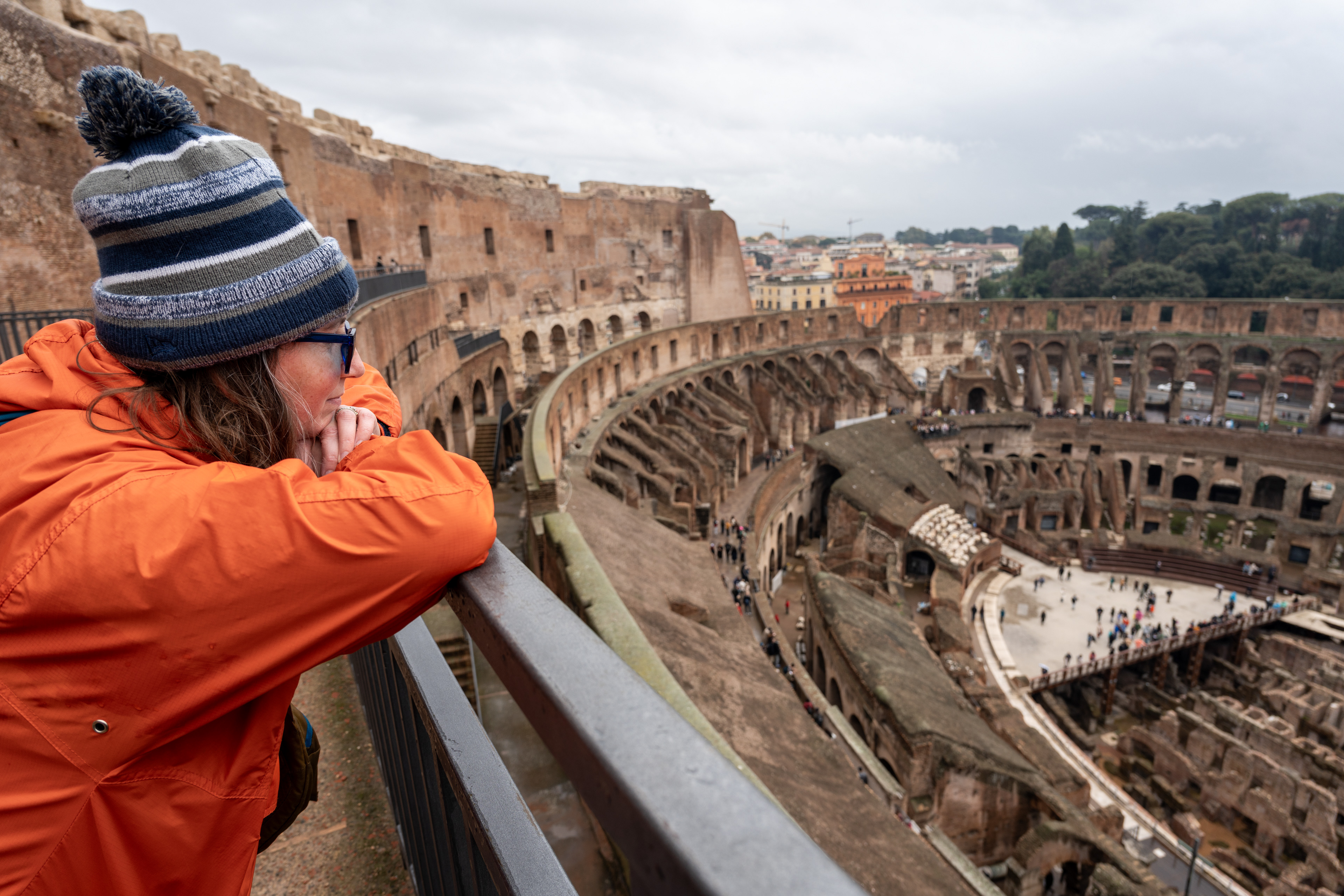
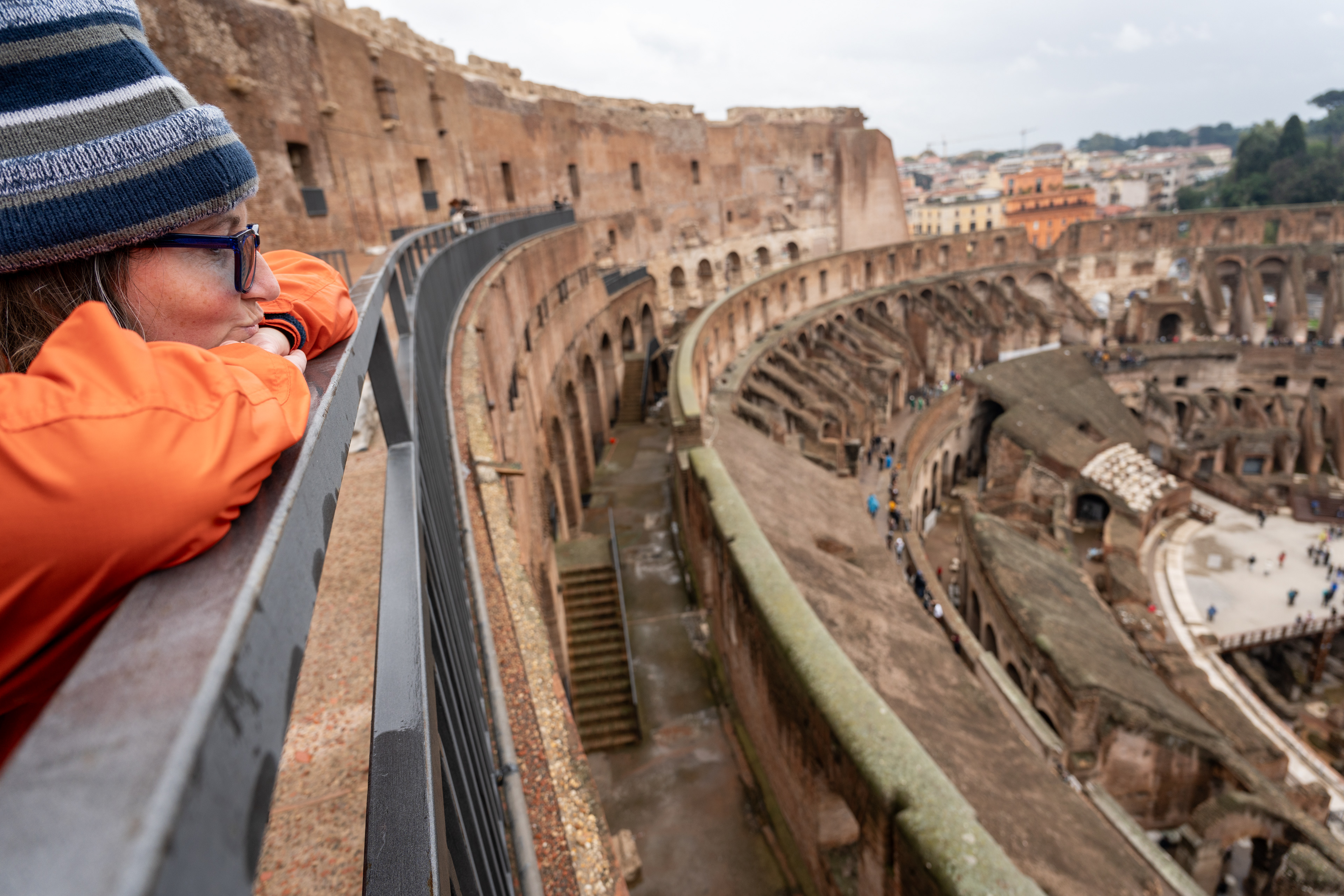
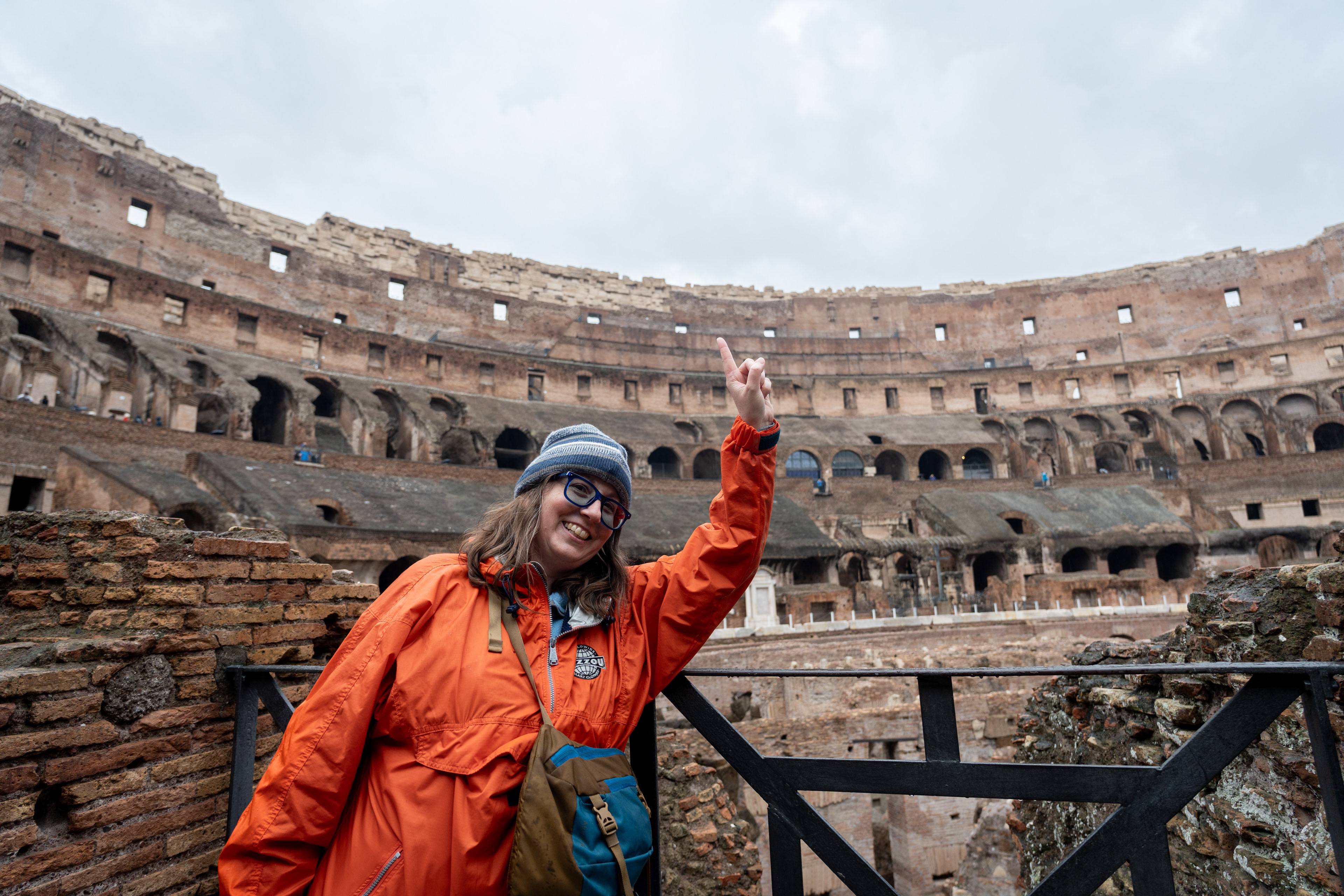
We were right up there!
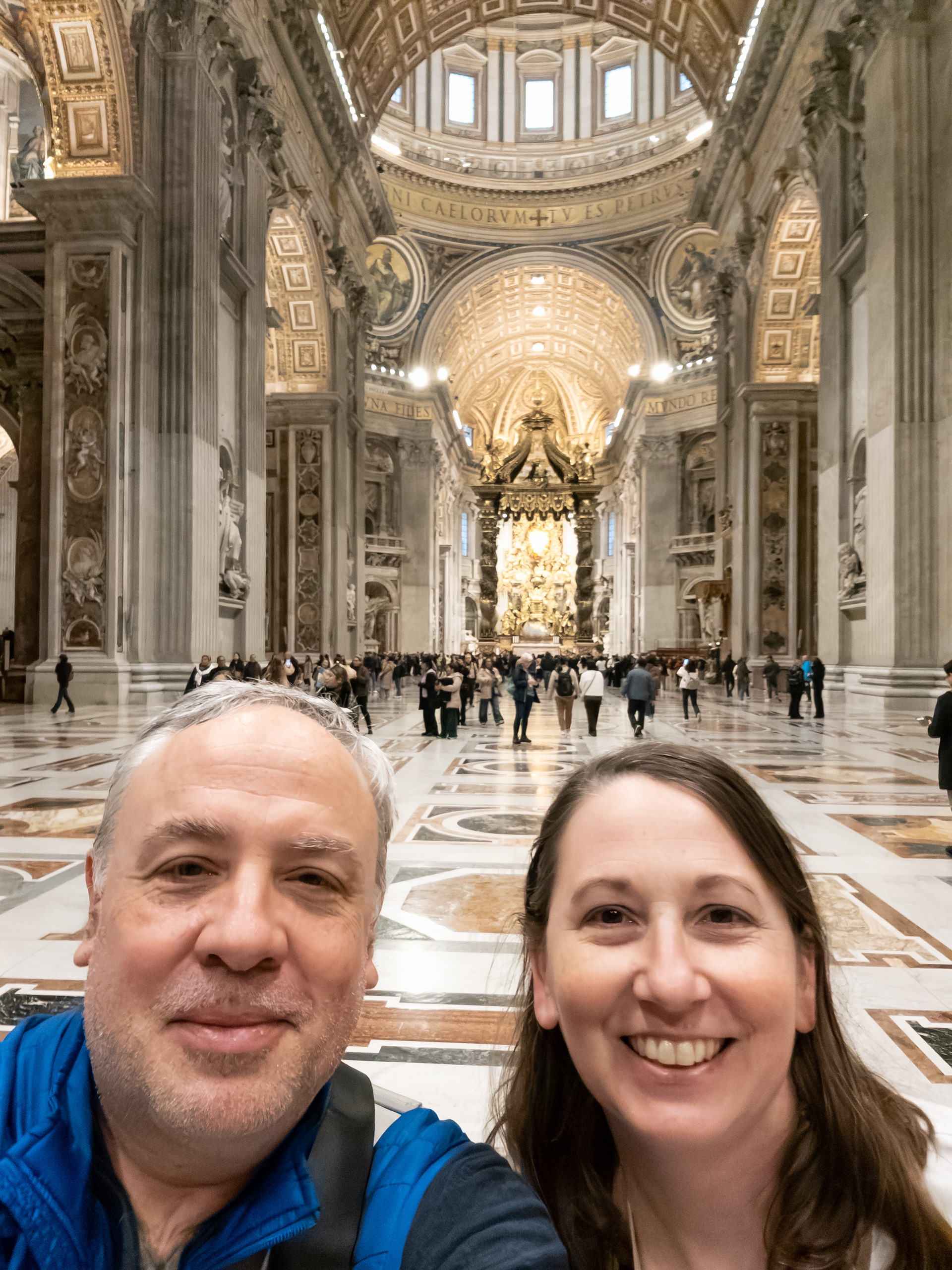
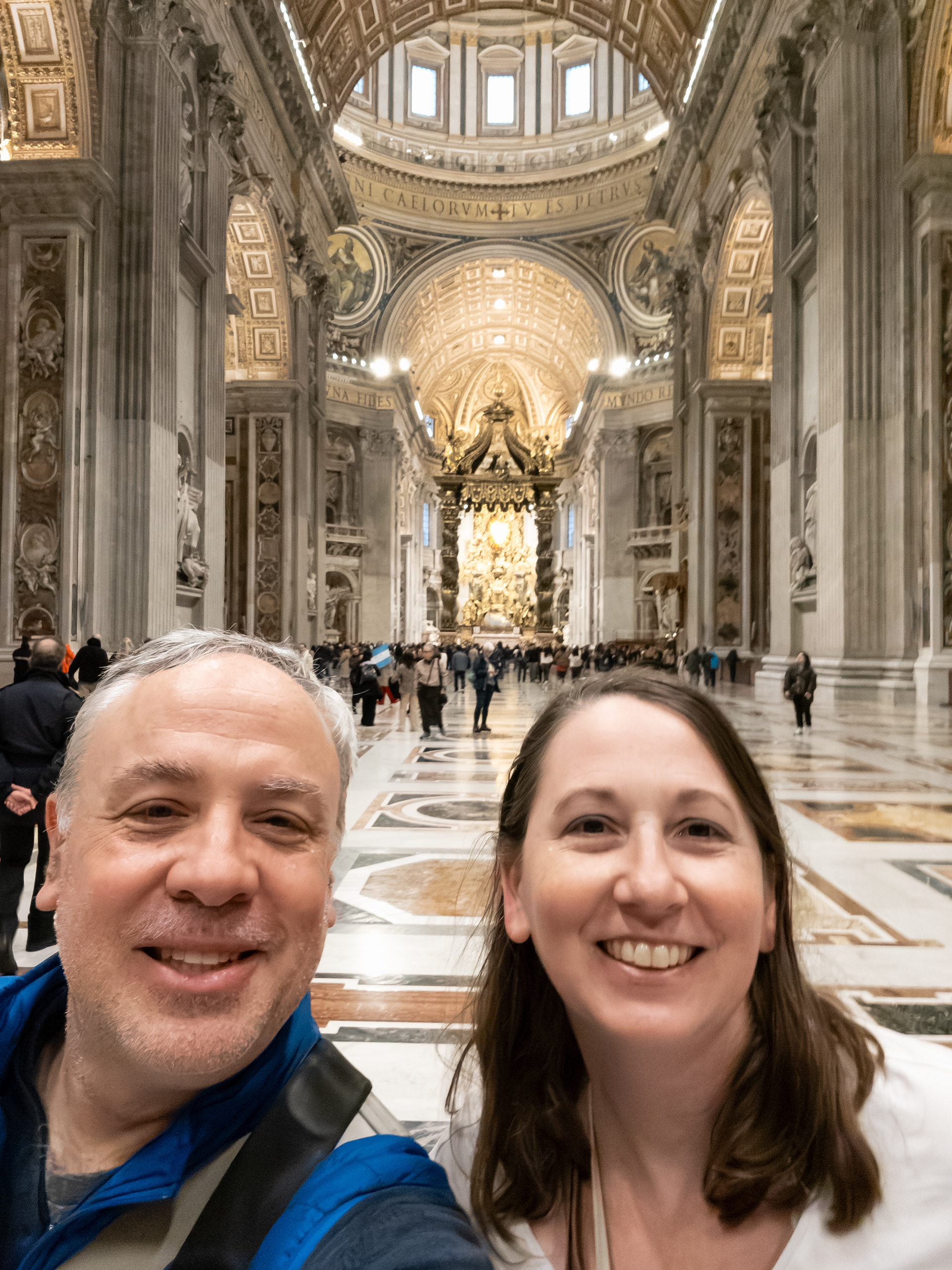
Saint Peter's Basilica - Vatican Museum
St. Peter's Basilica, located in Vatican City, is a cornerstone of Christian history built over the traditional burial site of Saint Peter. Originally commissioned by Emperor Constantine in the 4th century, the first basilica stood for over 1,000 years. Construction of the current Renaissance-style basilica began in 1506 under Pope Julius II and was completed in 1626, involving master architects like Bramante, Michelangelo, and Bernini. This massive, dome-crowned structure is considered the largest church in the world.
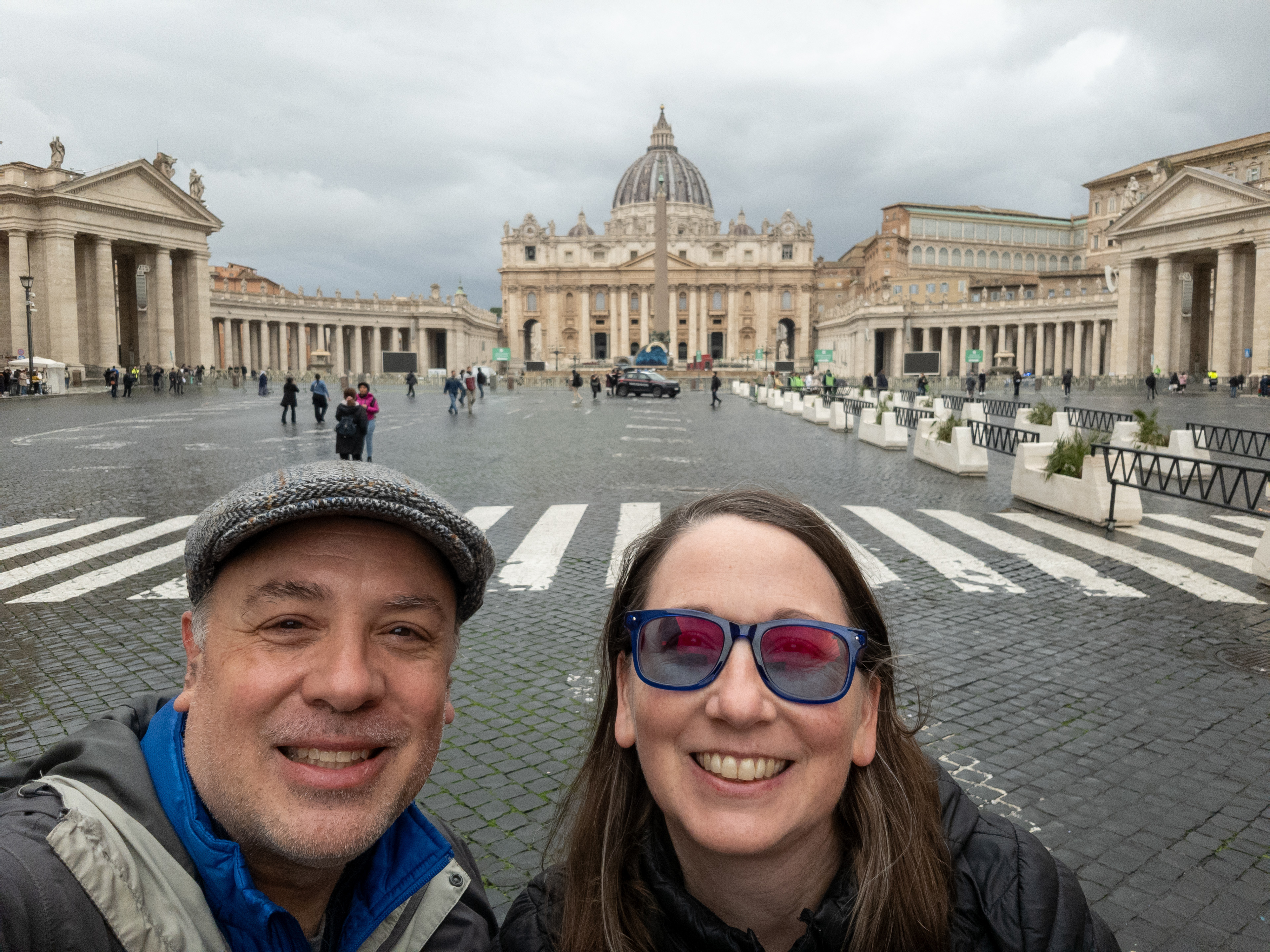
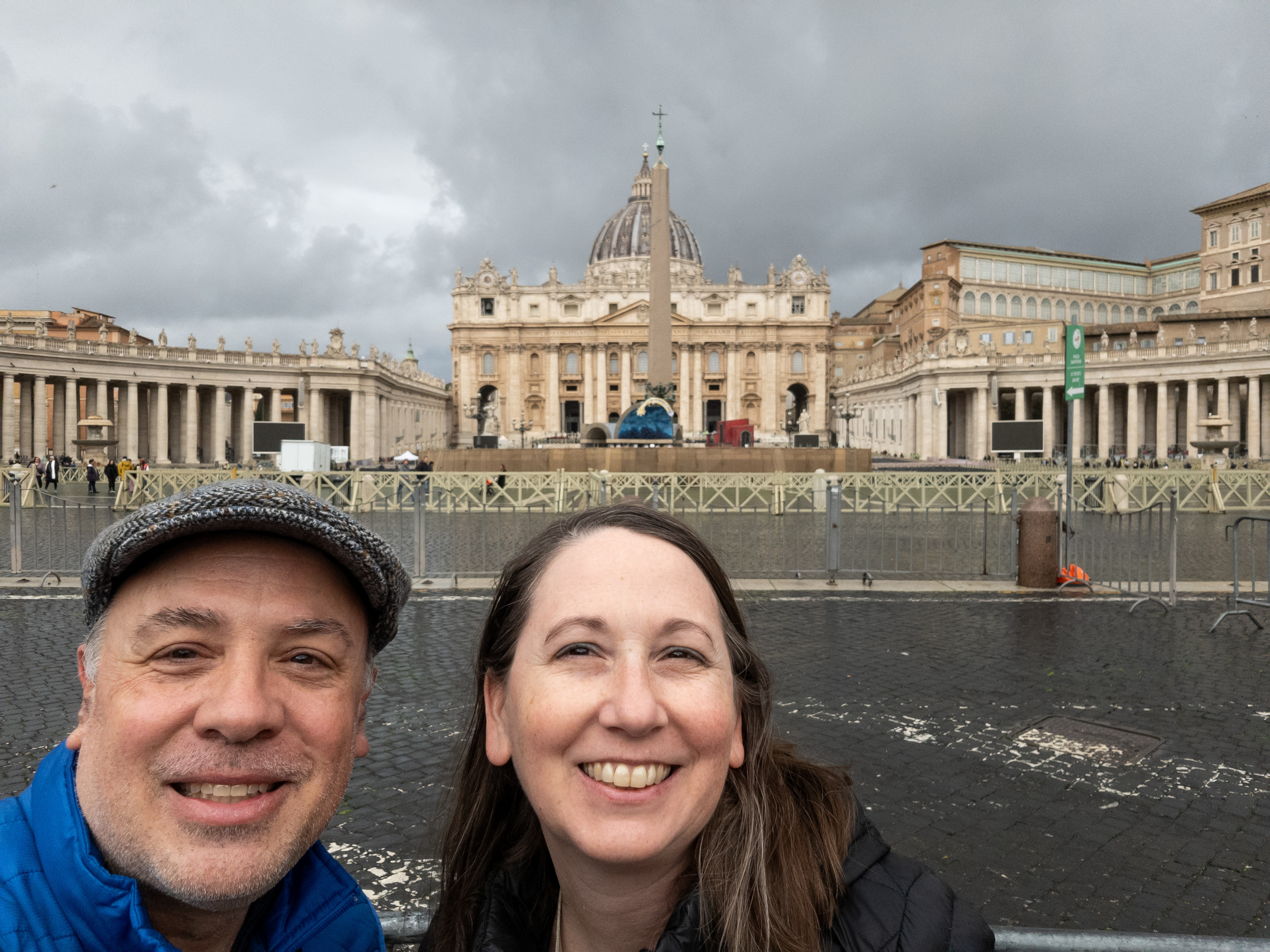
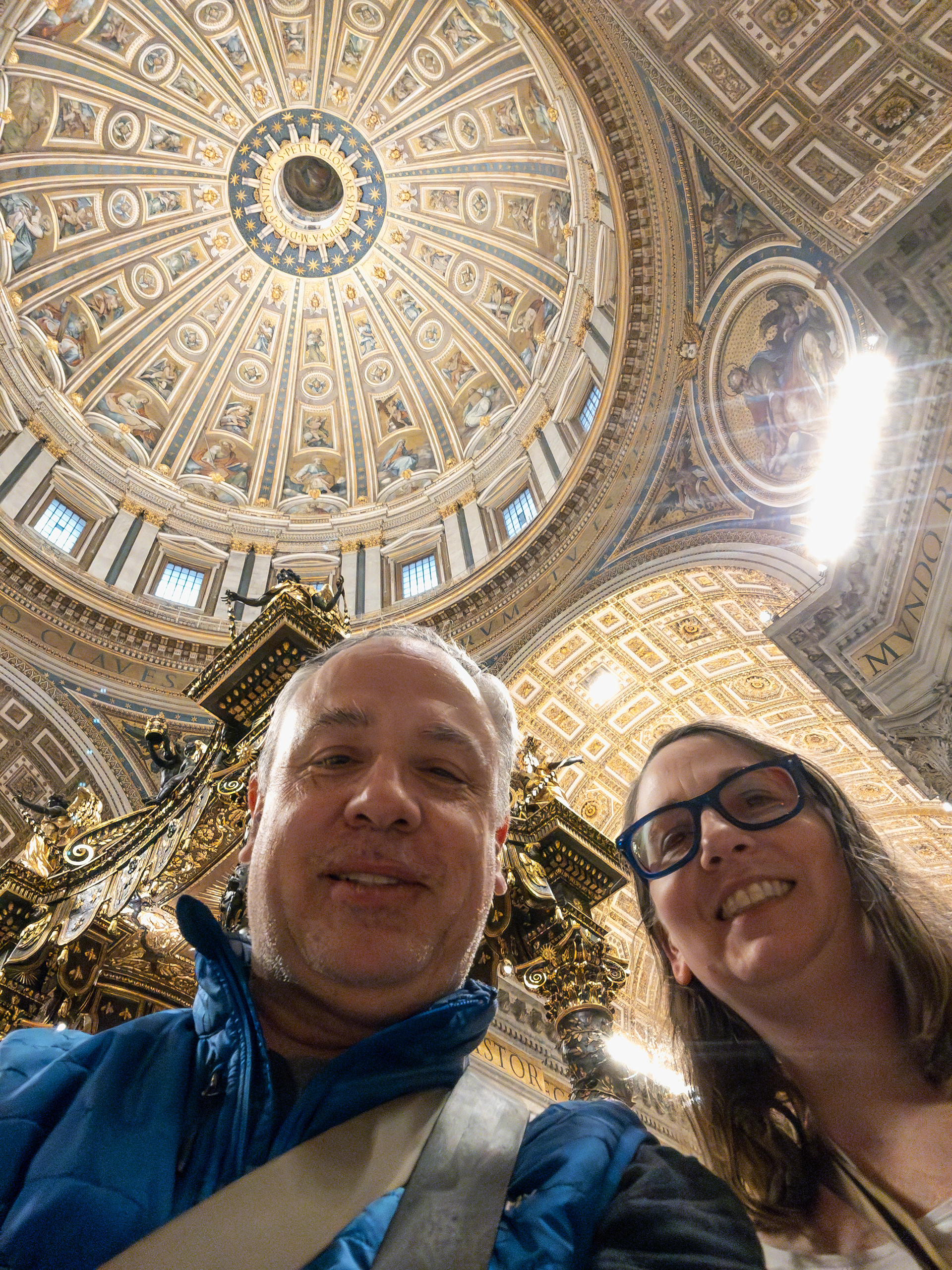
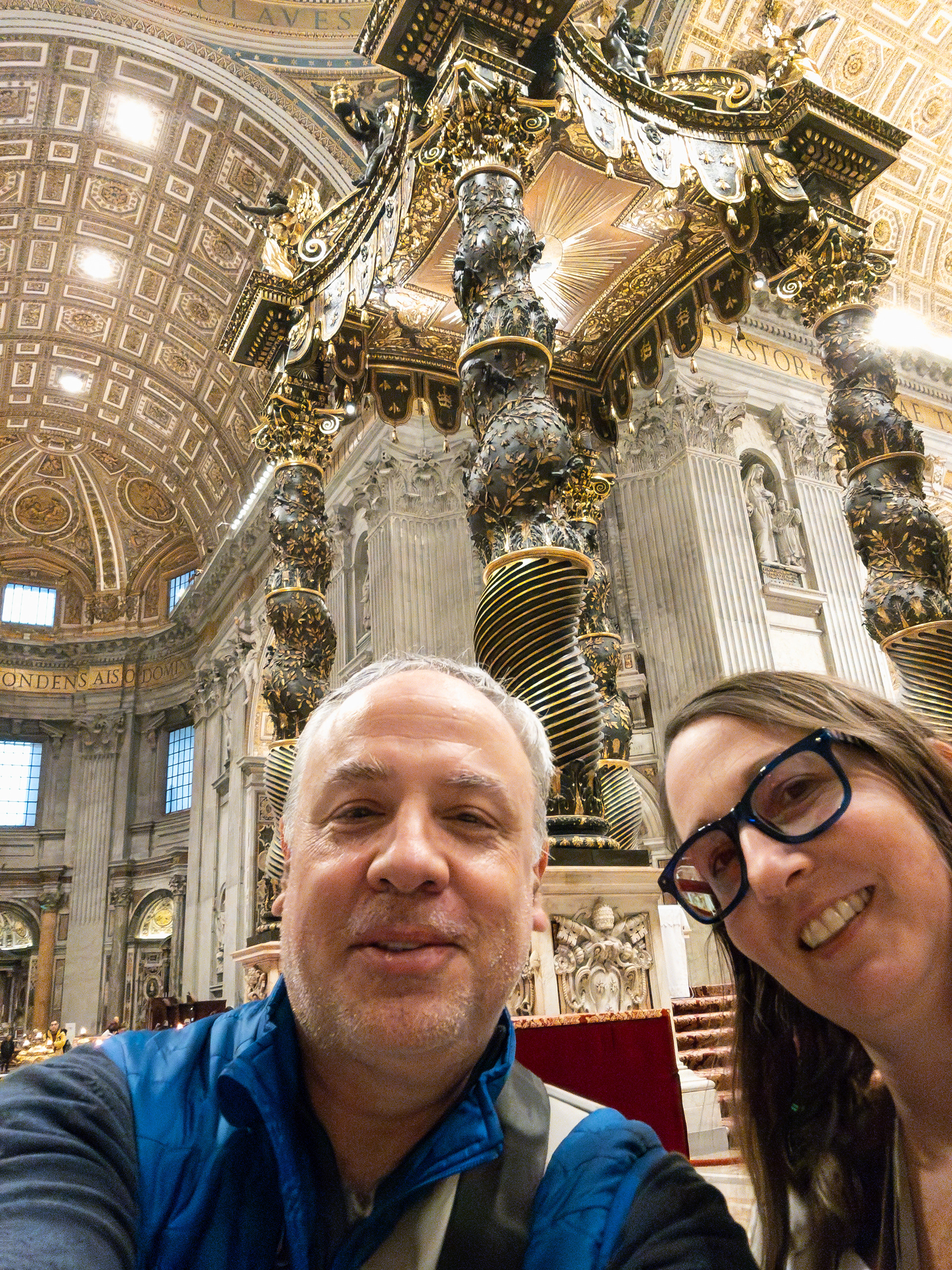
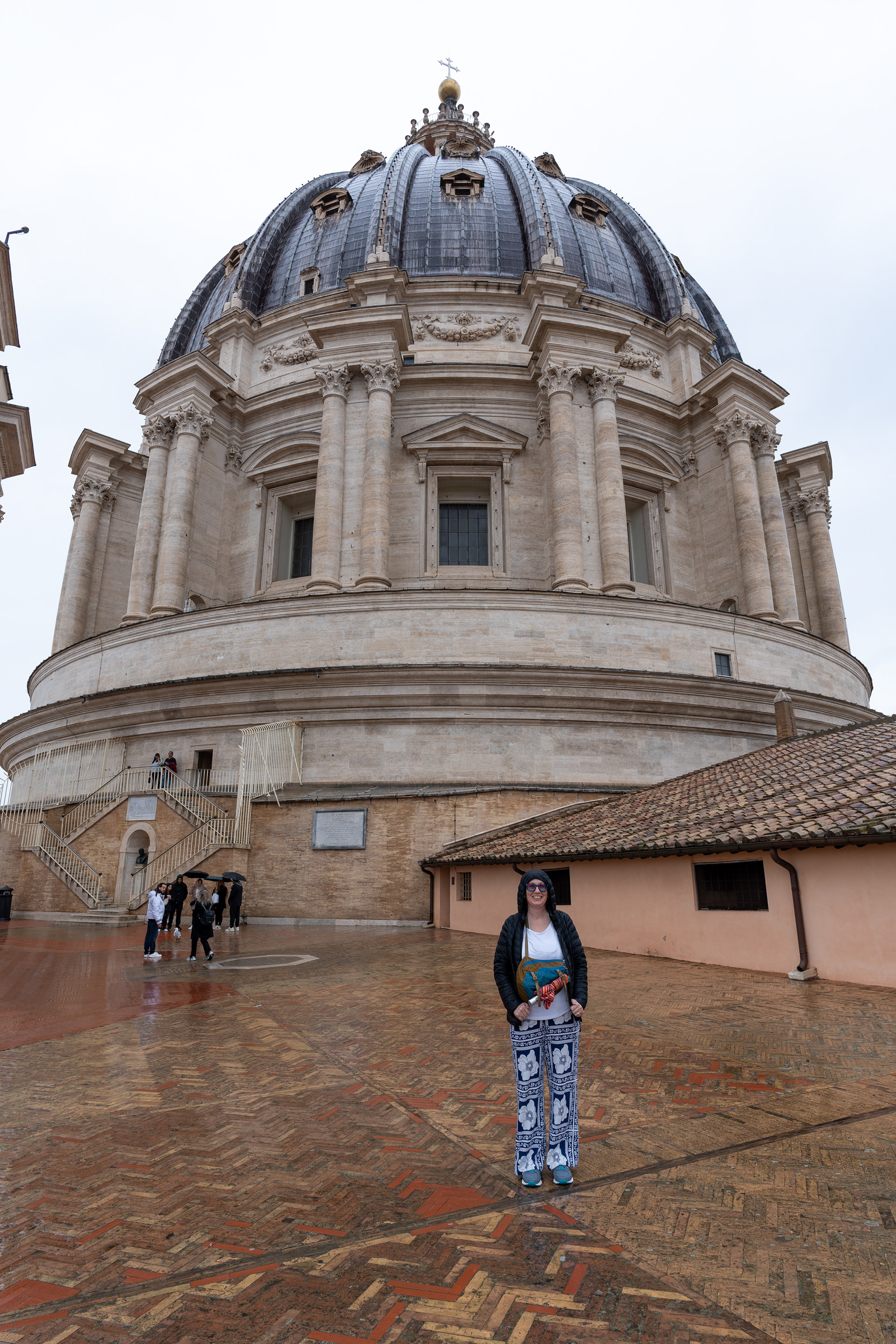
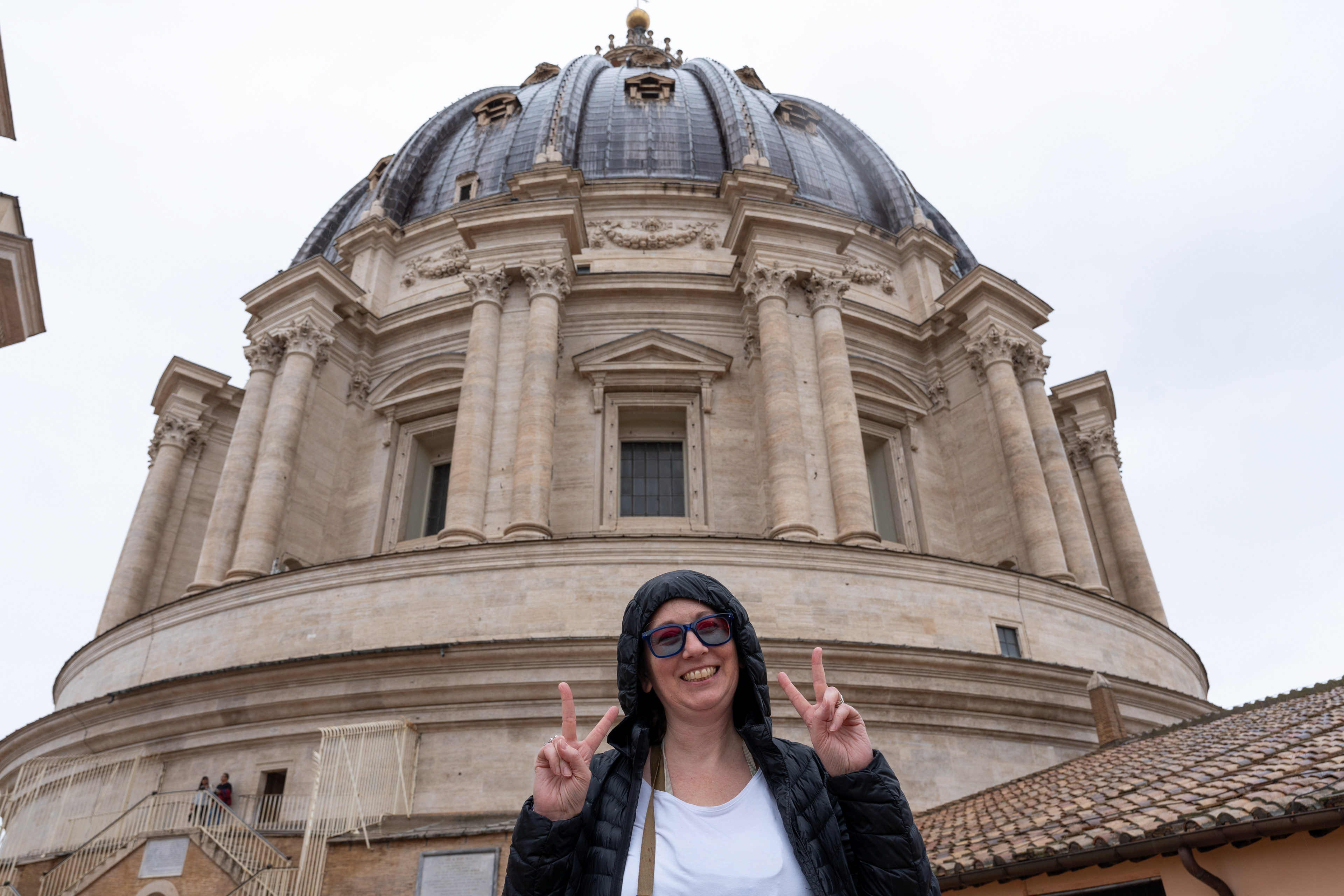

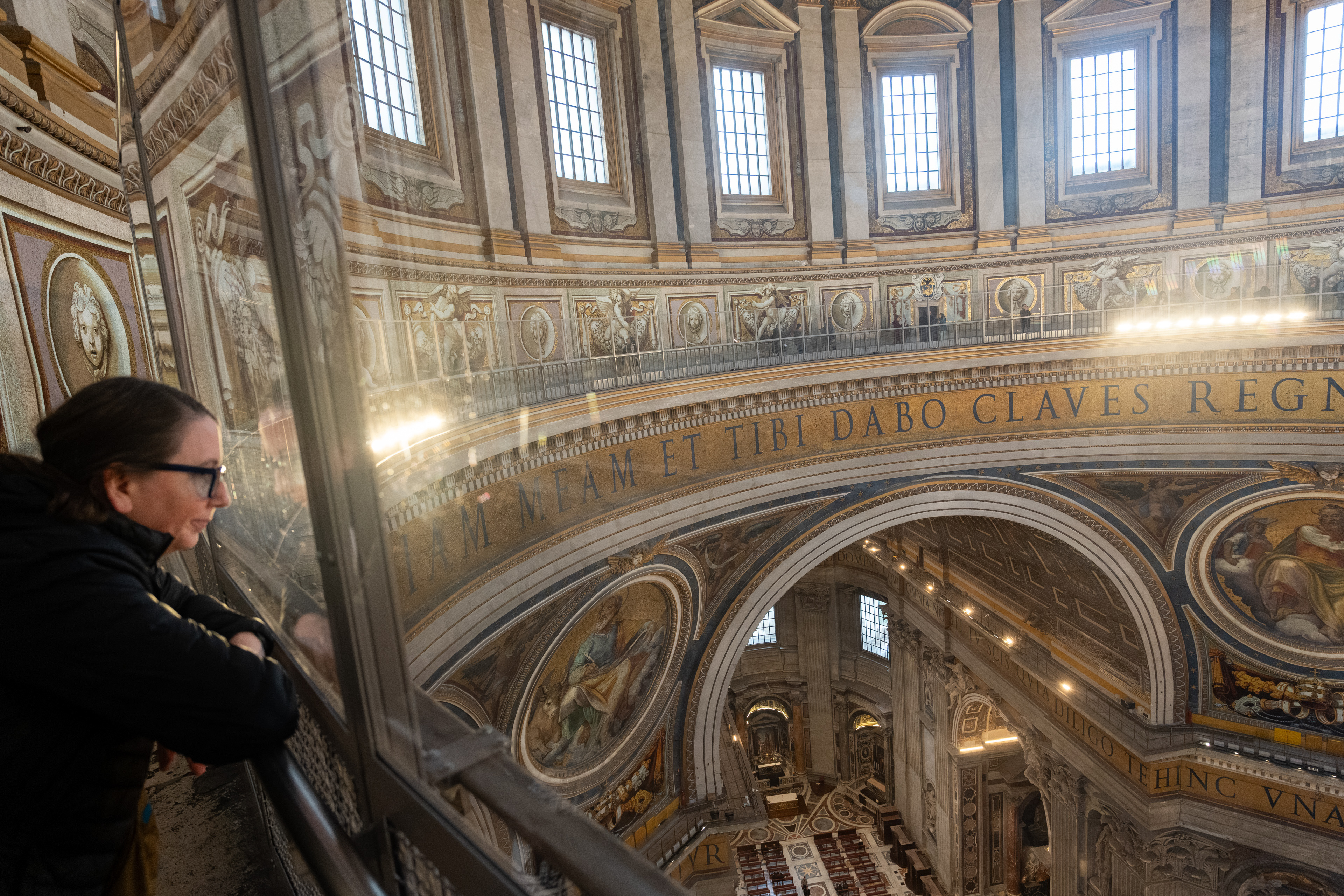
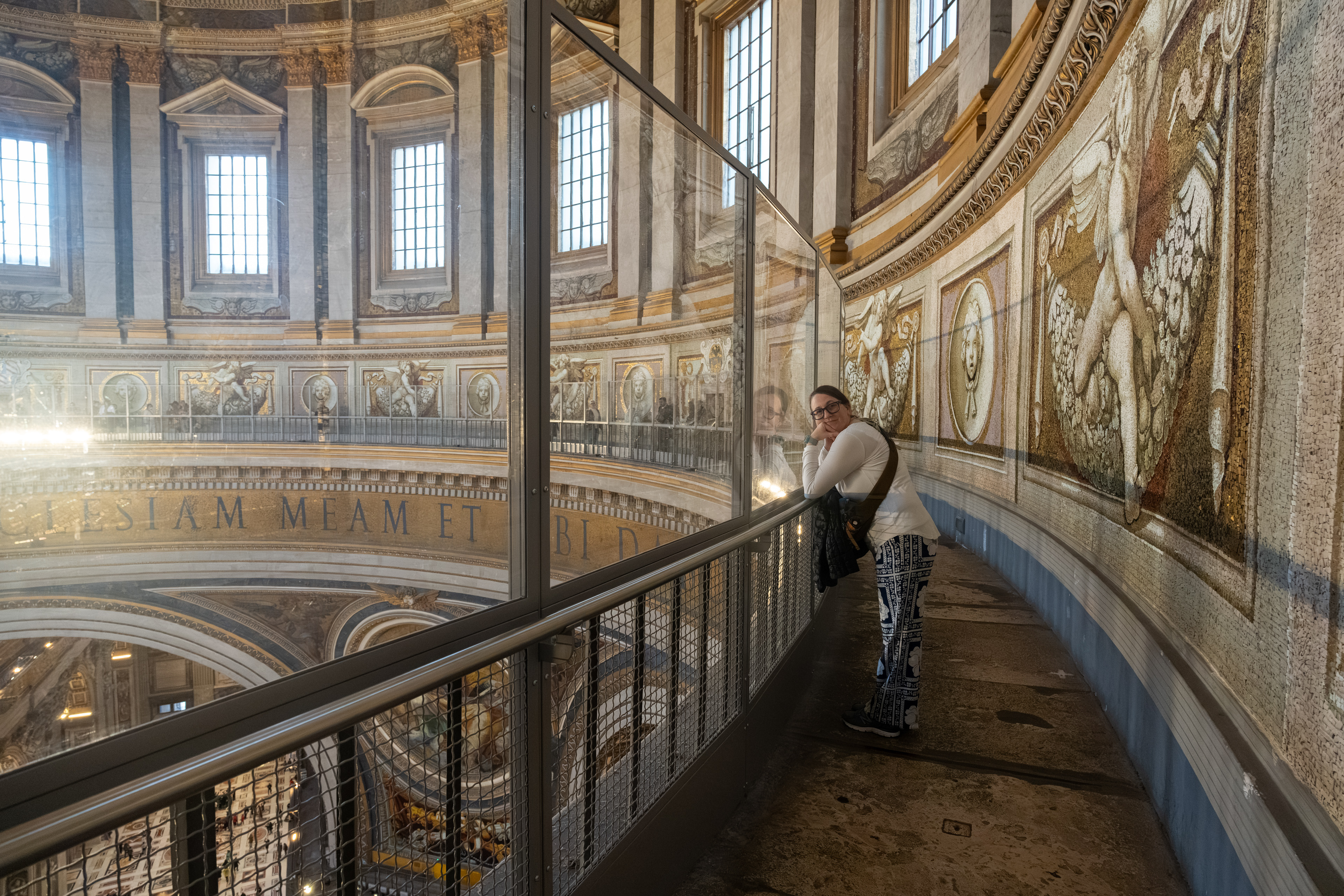
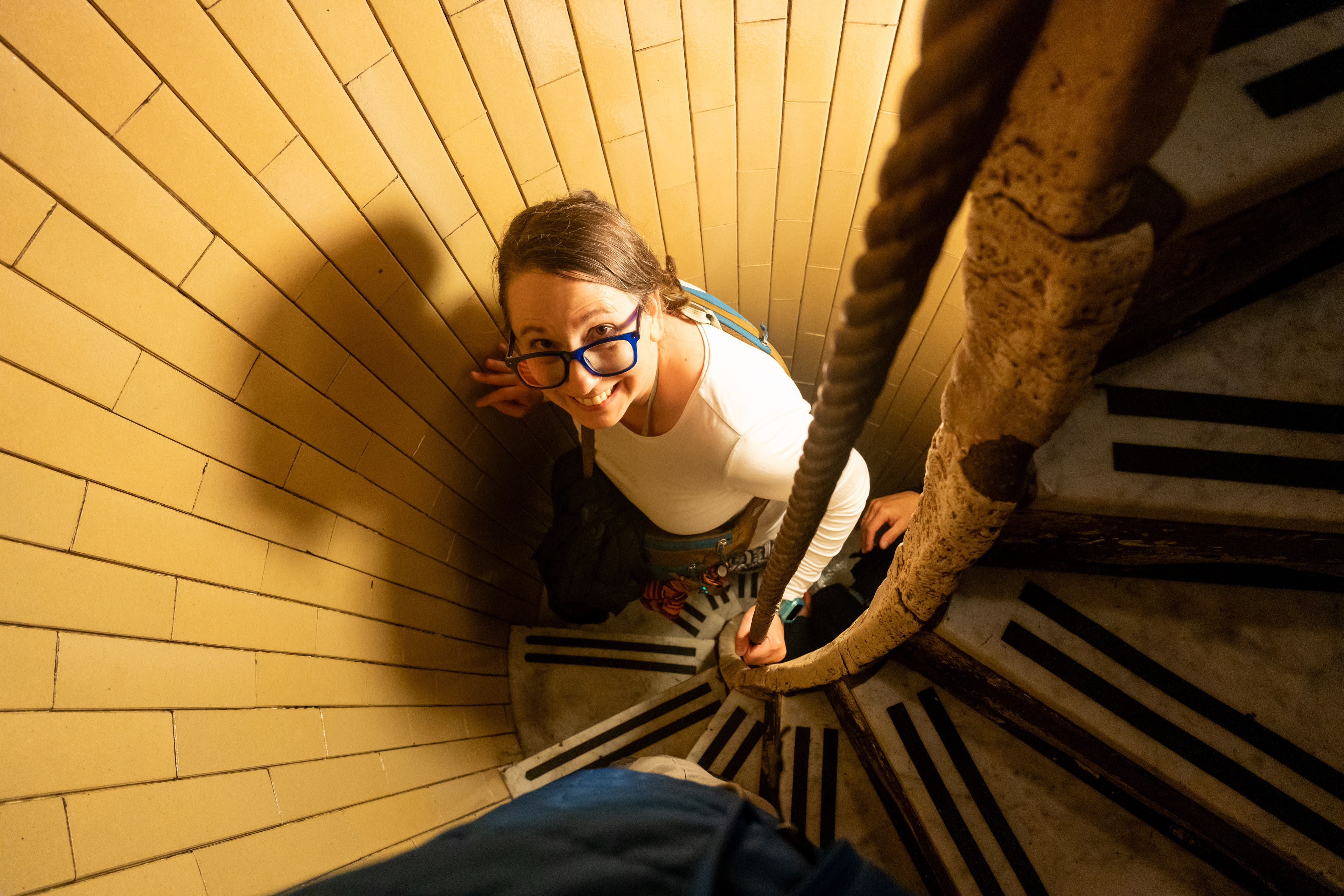
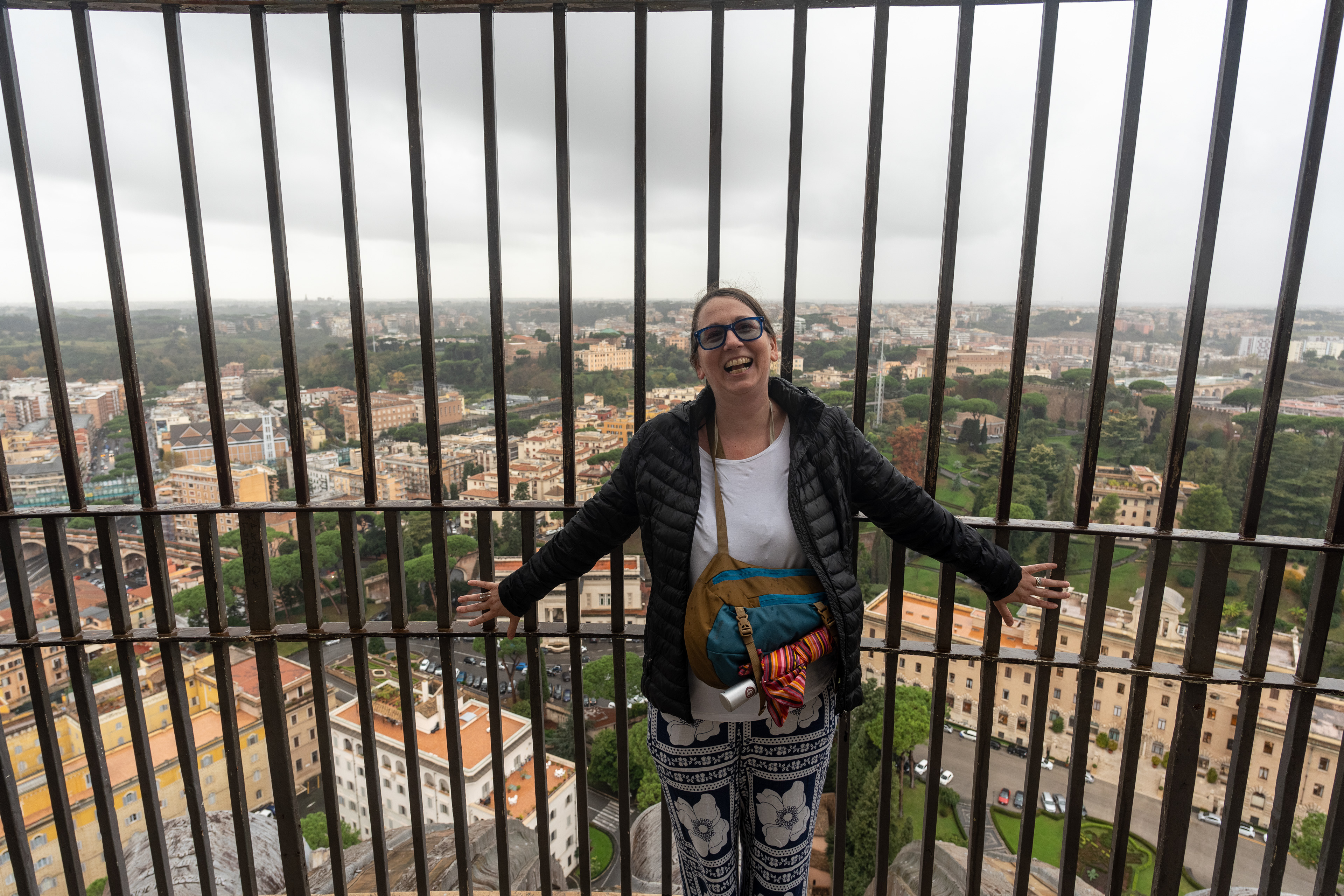
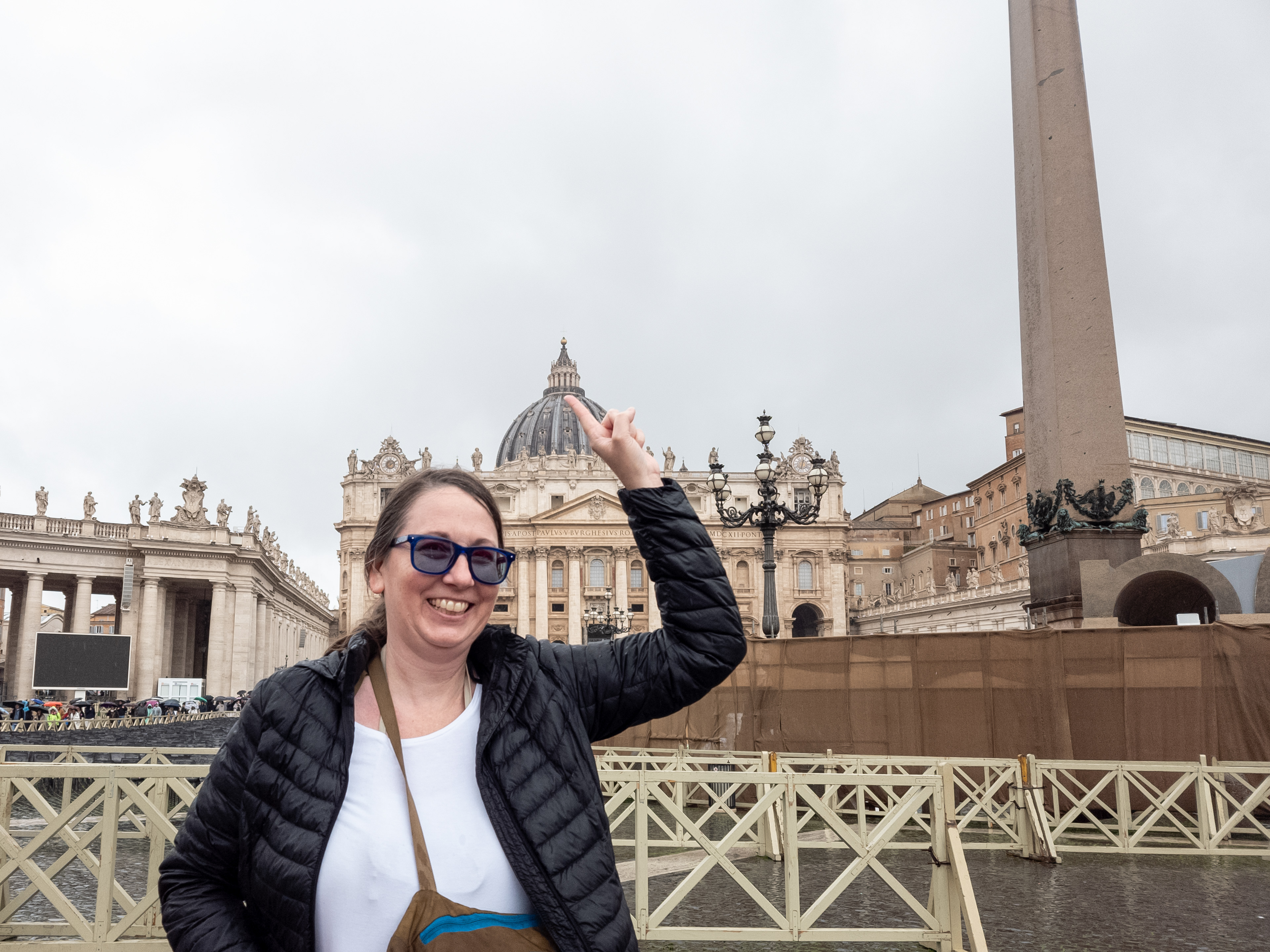
We were right up there!
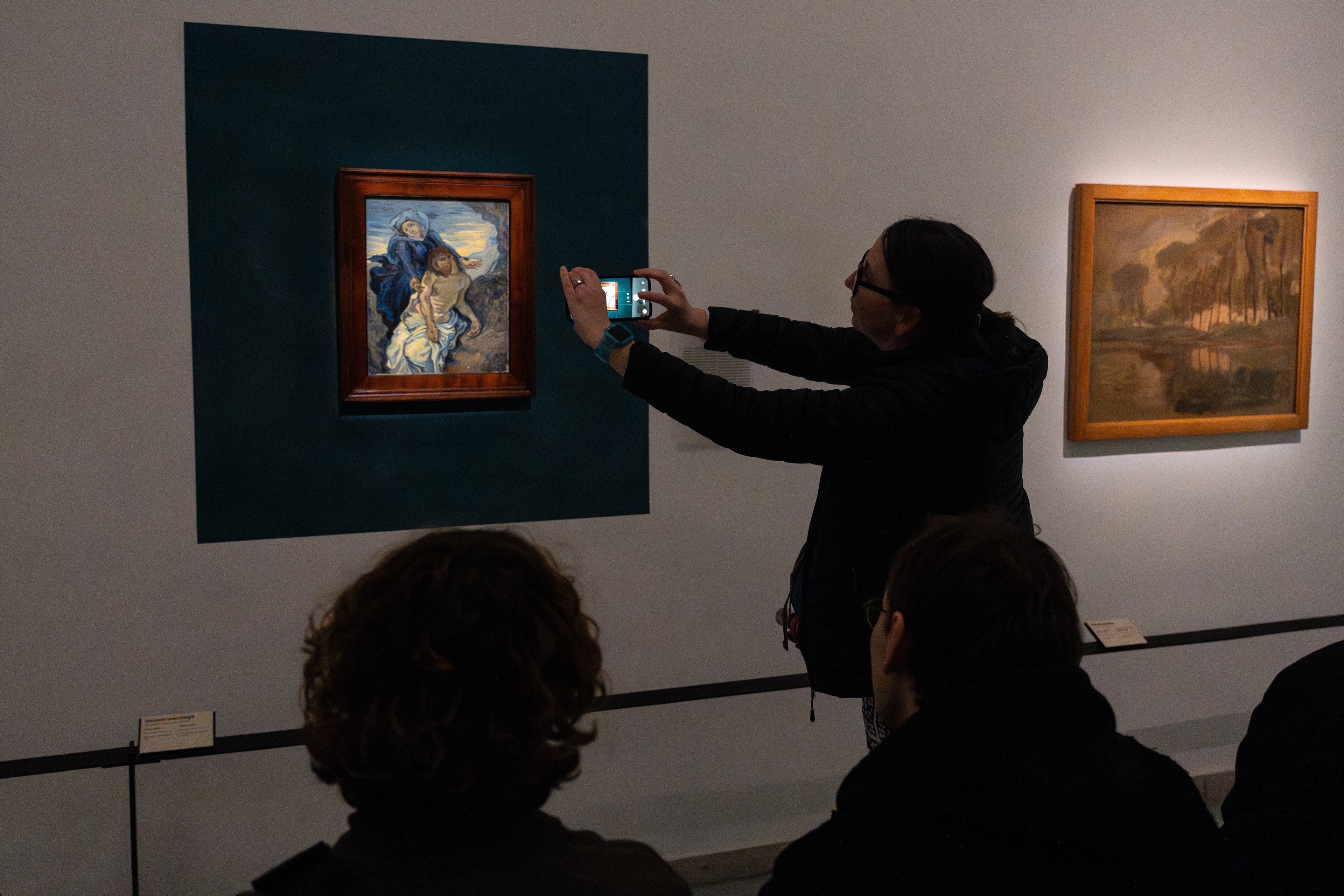
Vatican Museum
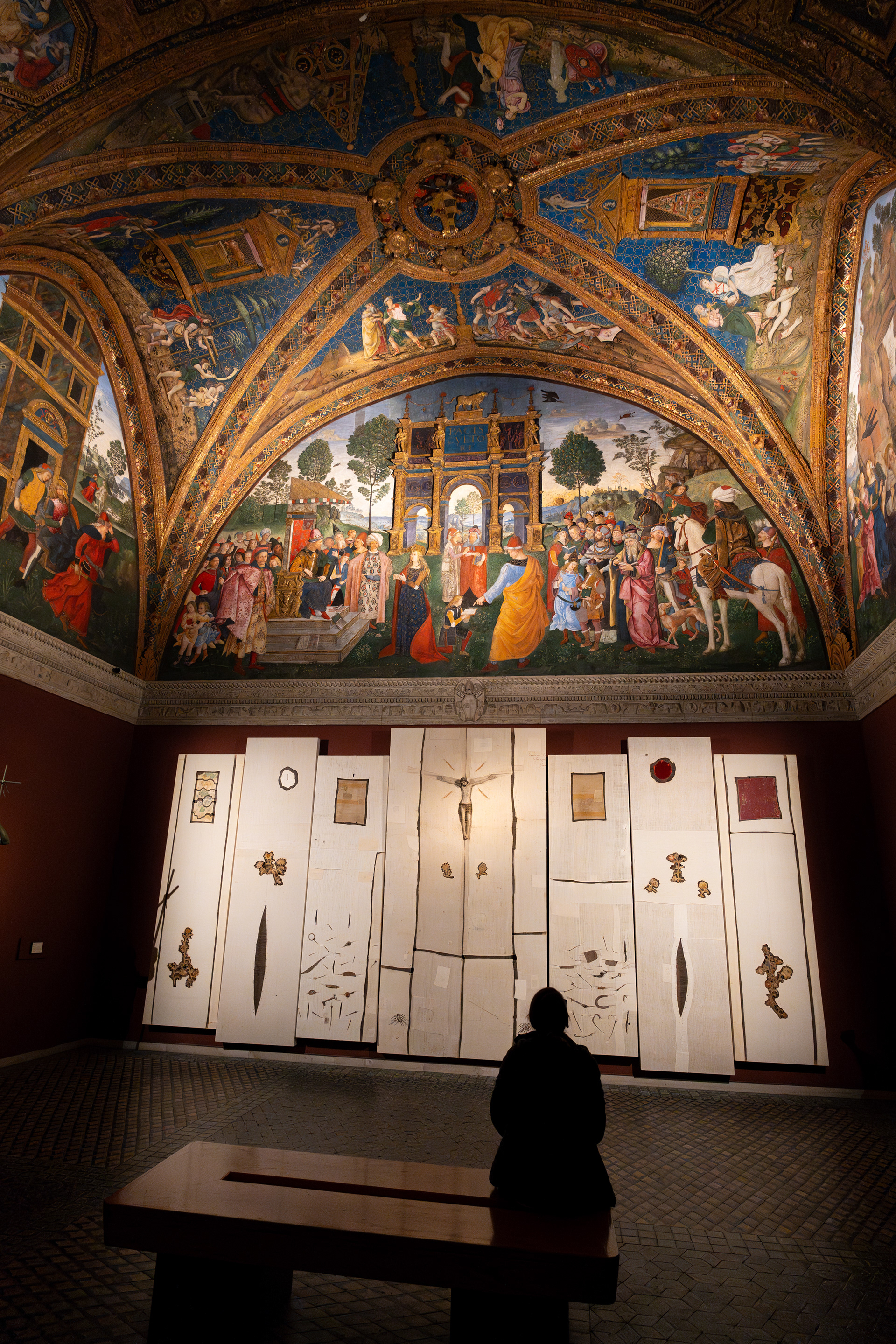
Vatican Museum
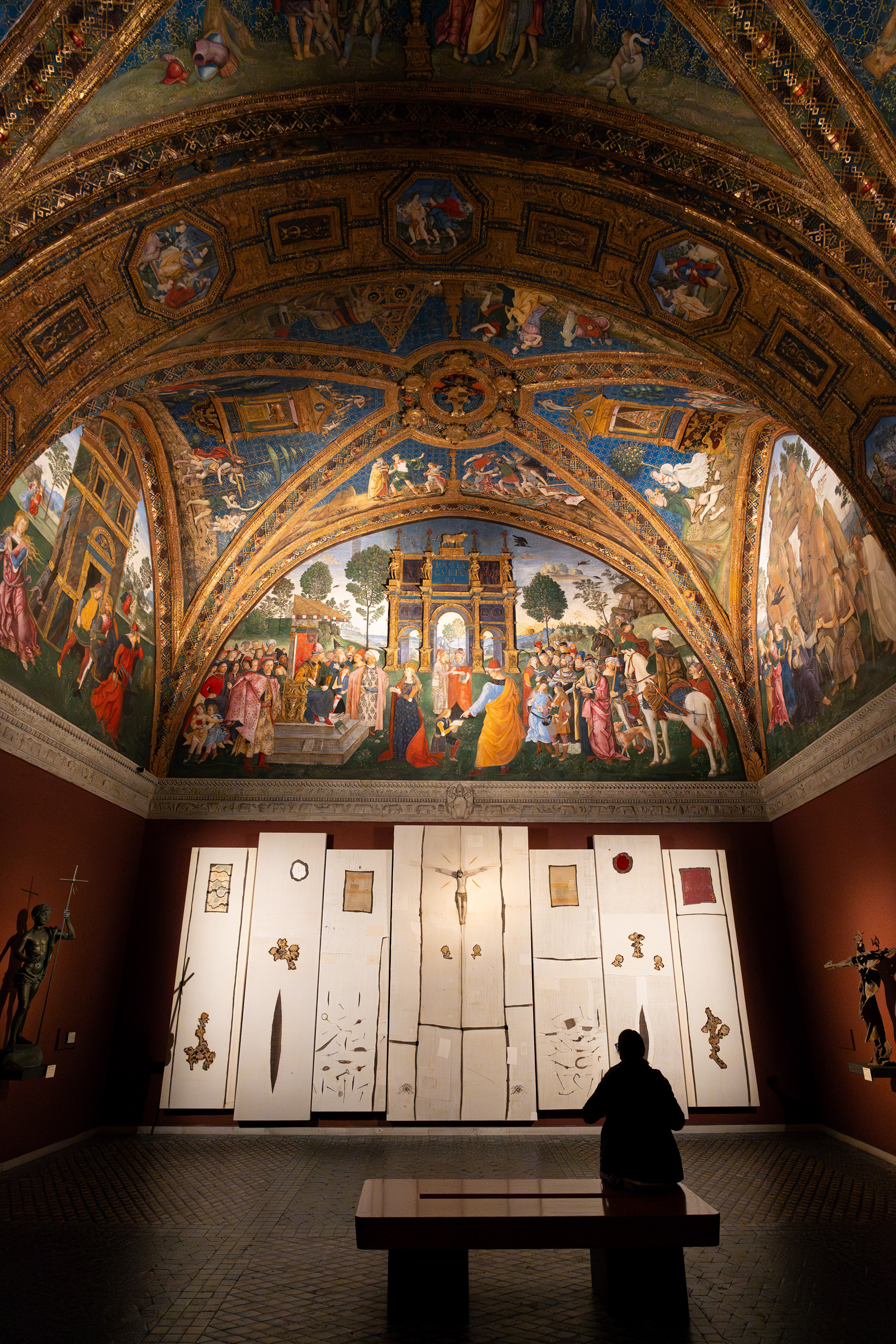
Vatican Museum
Pompeii
Pompeii, an ancient Roman city near modern Naples, Italy, founded around the 7th–6th century BC and flourished as a Roman colony. In 79 AD, it was destroyed and buried under 4 to 6 meters (13–20 ft) of volcanic ash and pumice during the catastrophic eruption of Mount Vesuvius.
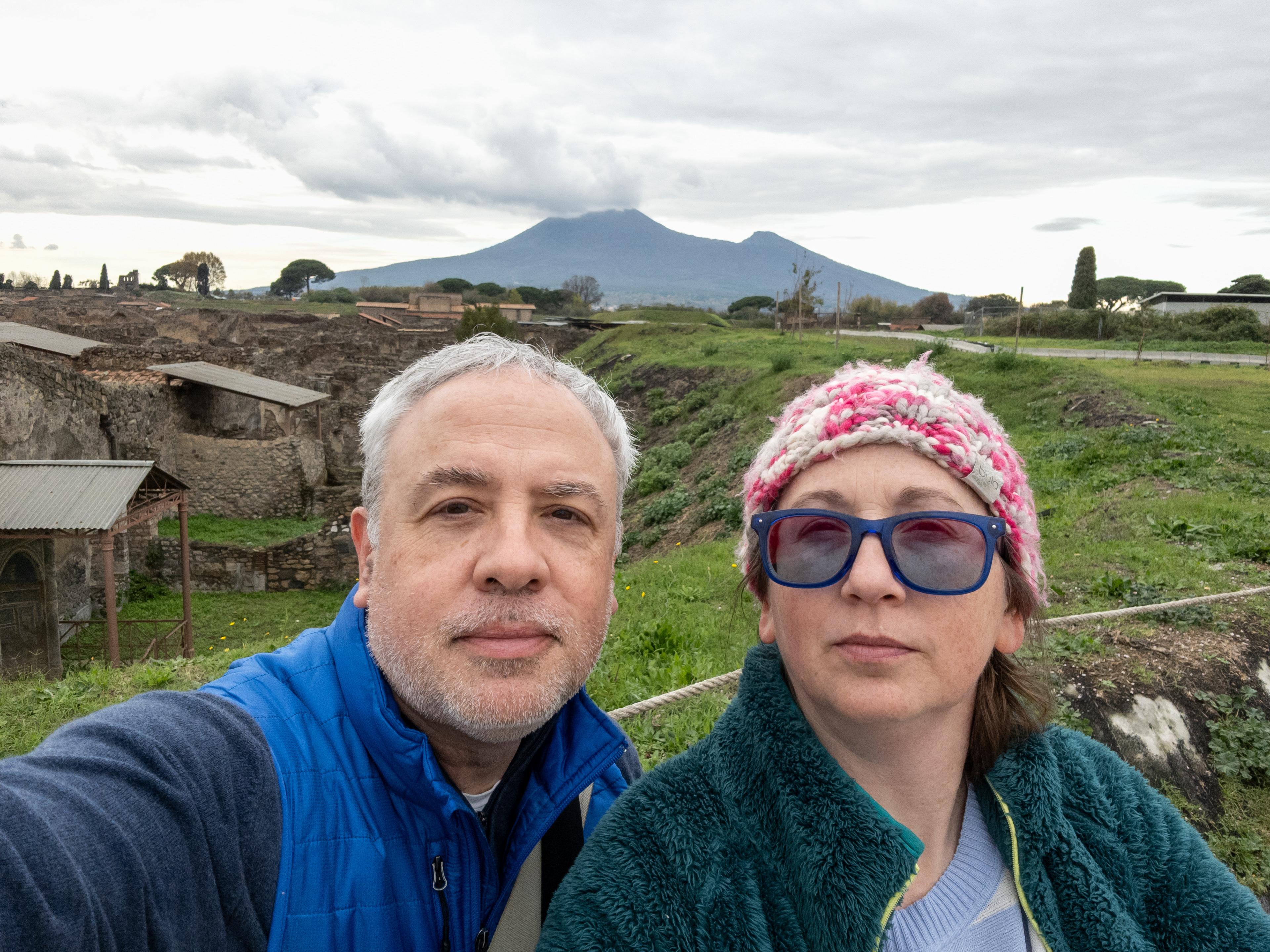
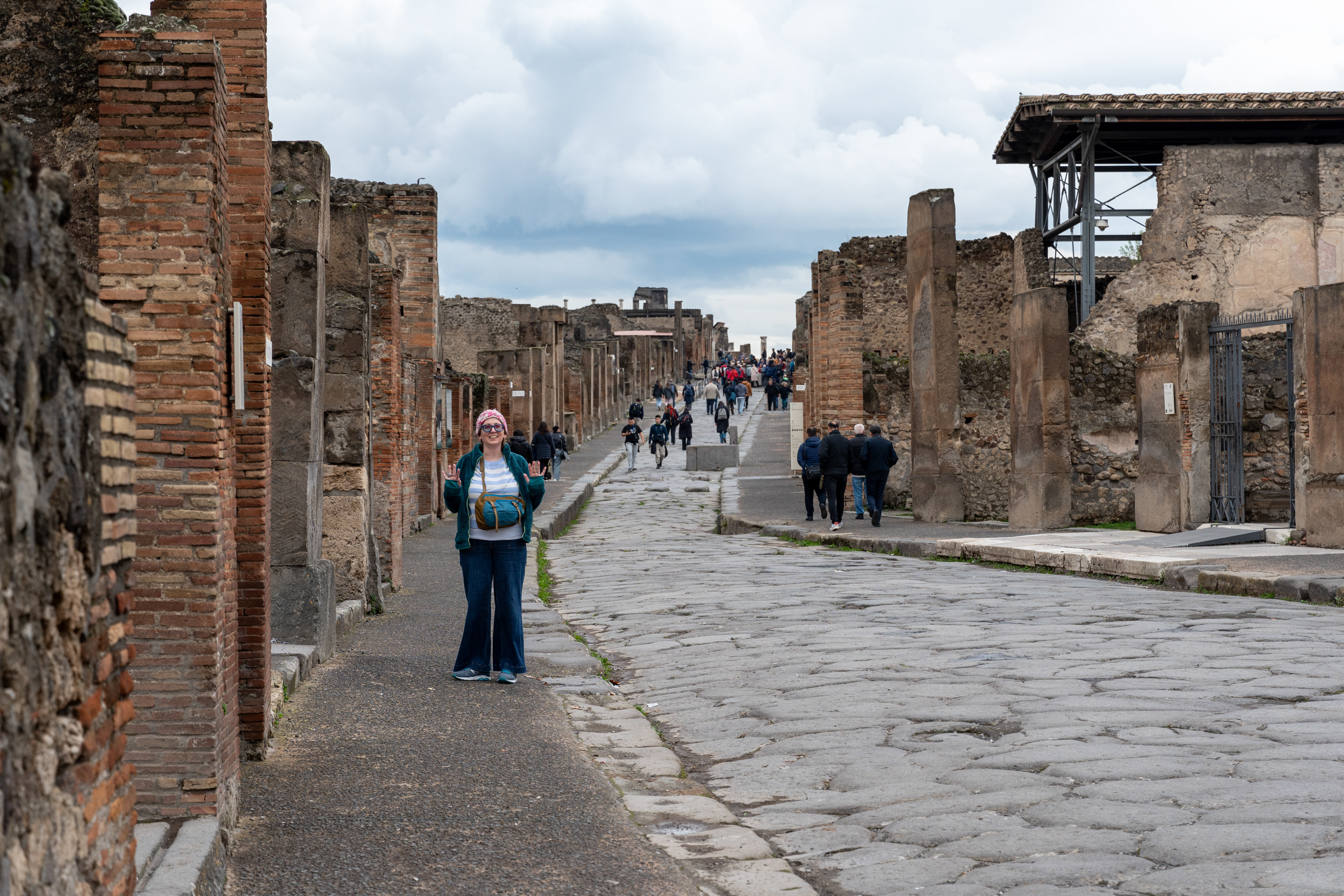
Before Mt. Vesuvius (we decided we should be solemn in such a place, given the tragedy there).
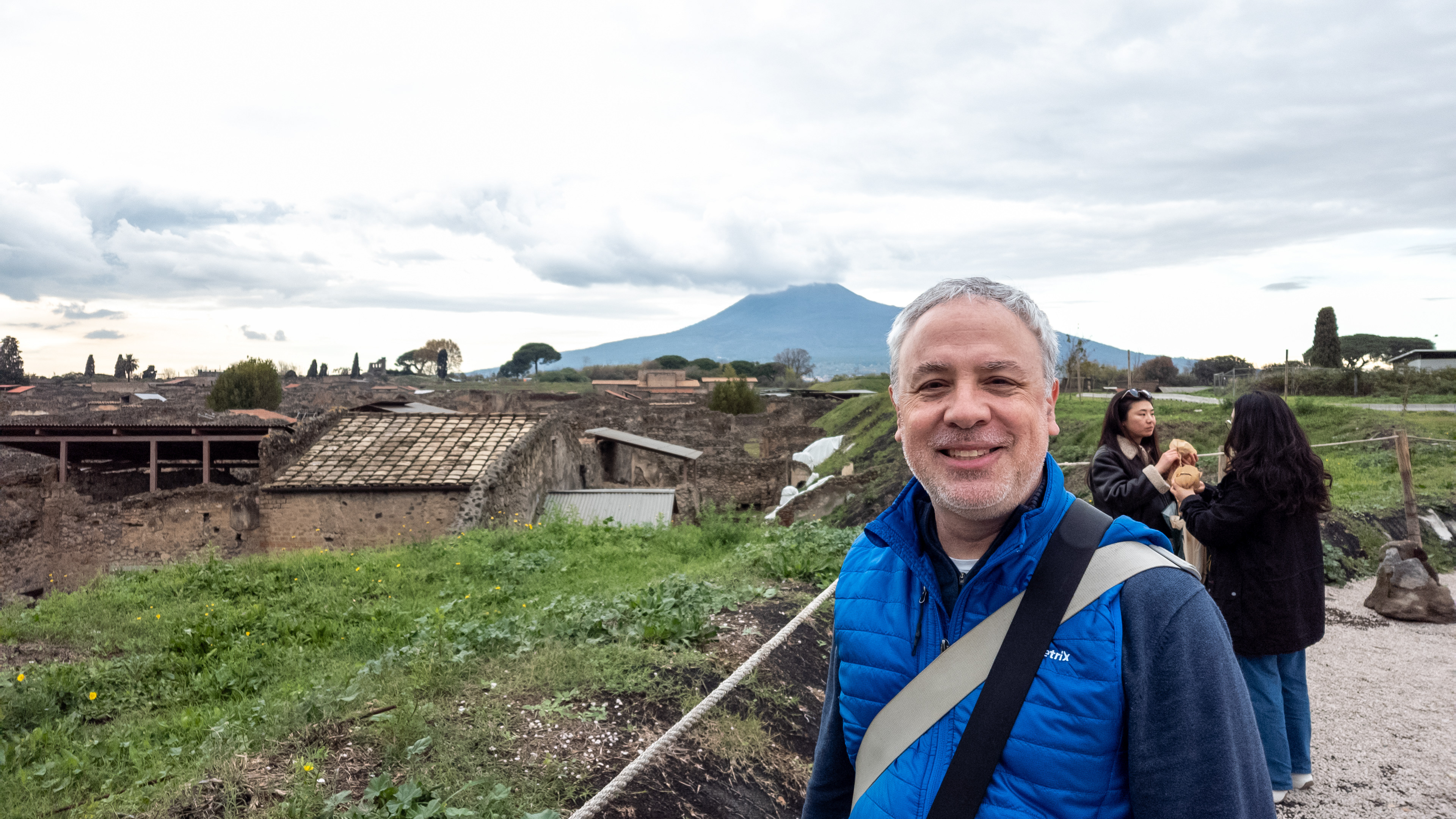
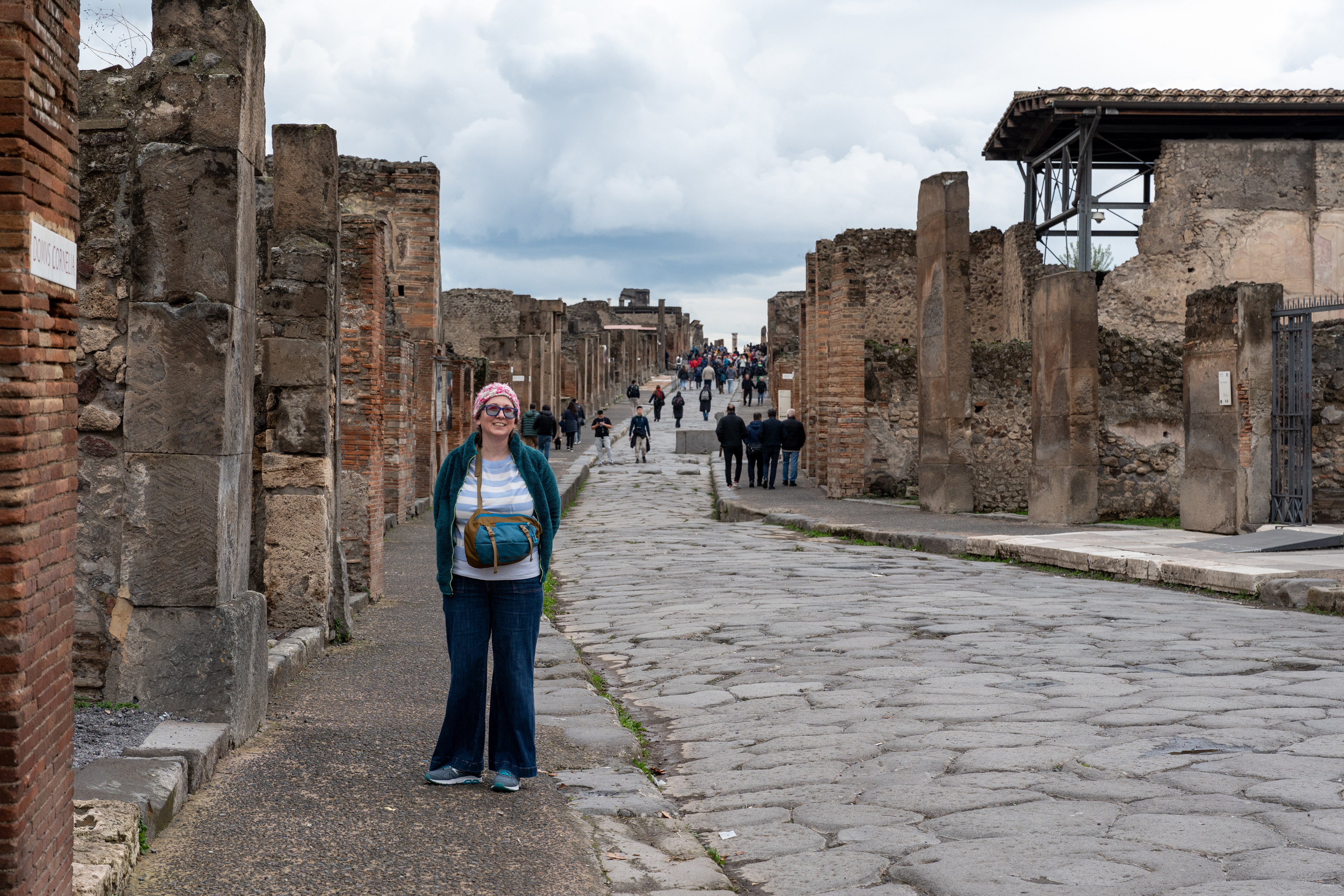
Before Mt. Vesuvius.
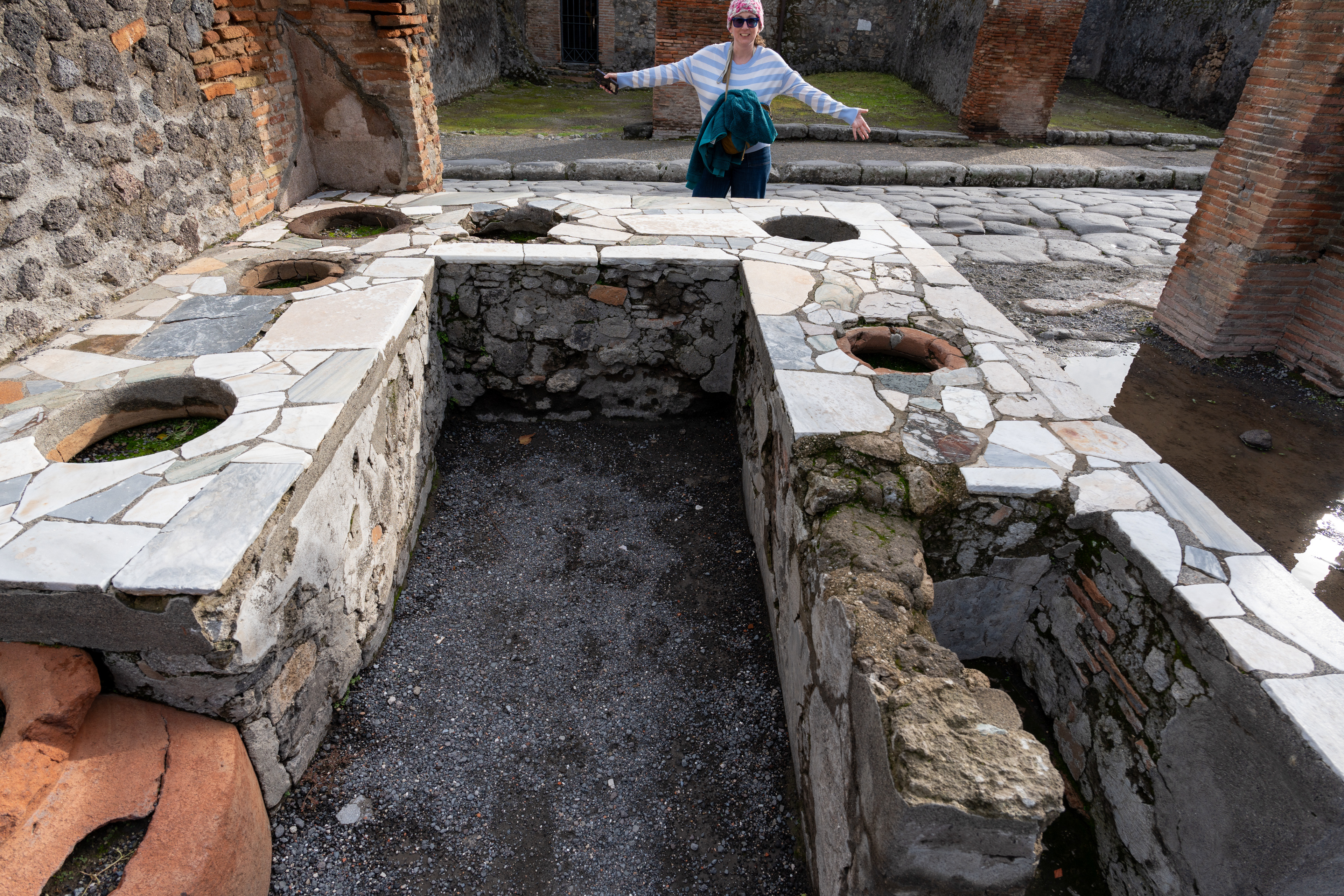
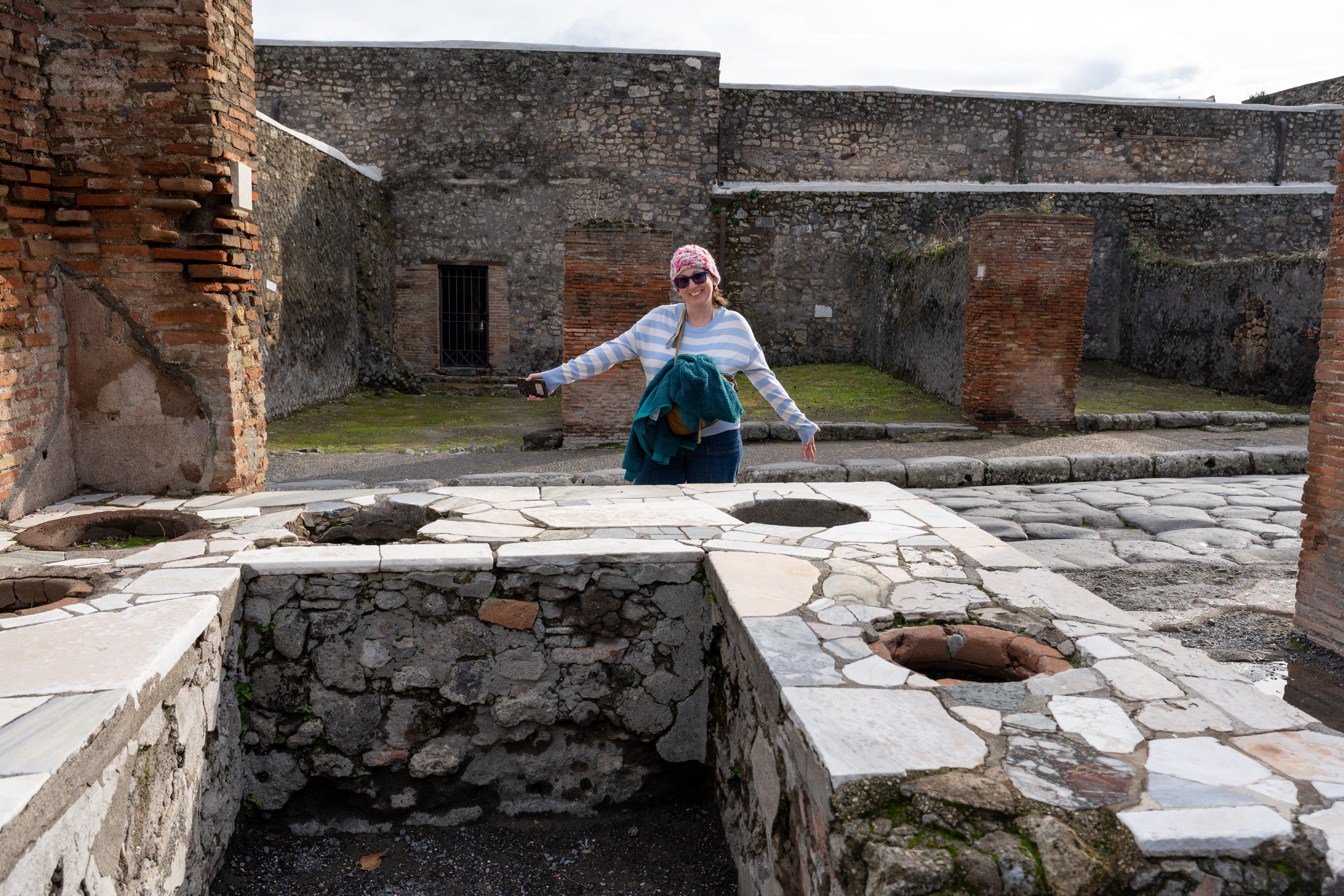
A Fast food eatery in Pompeii, referred to as a thermopolia. There were as many as 150 in the city.
RIYADH

Flight from Rome to Riyadh.
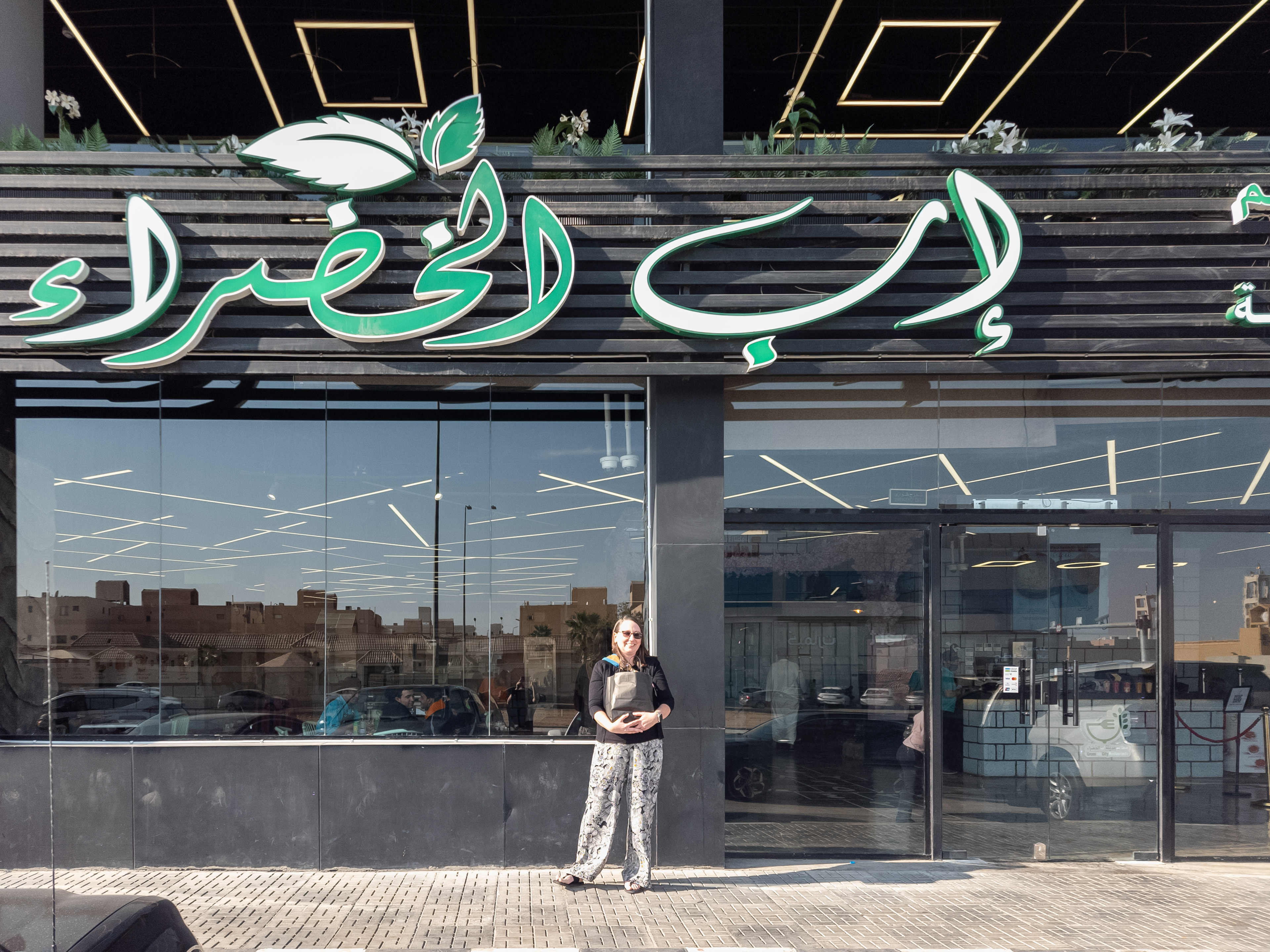
Green Ibb Restaurant - Were we had lunch an authentic Yemeni with Jennifer's staff.
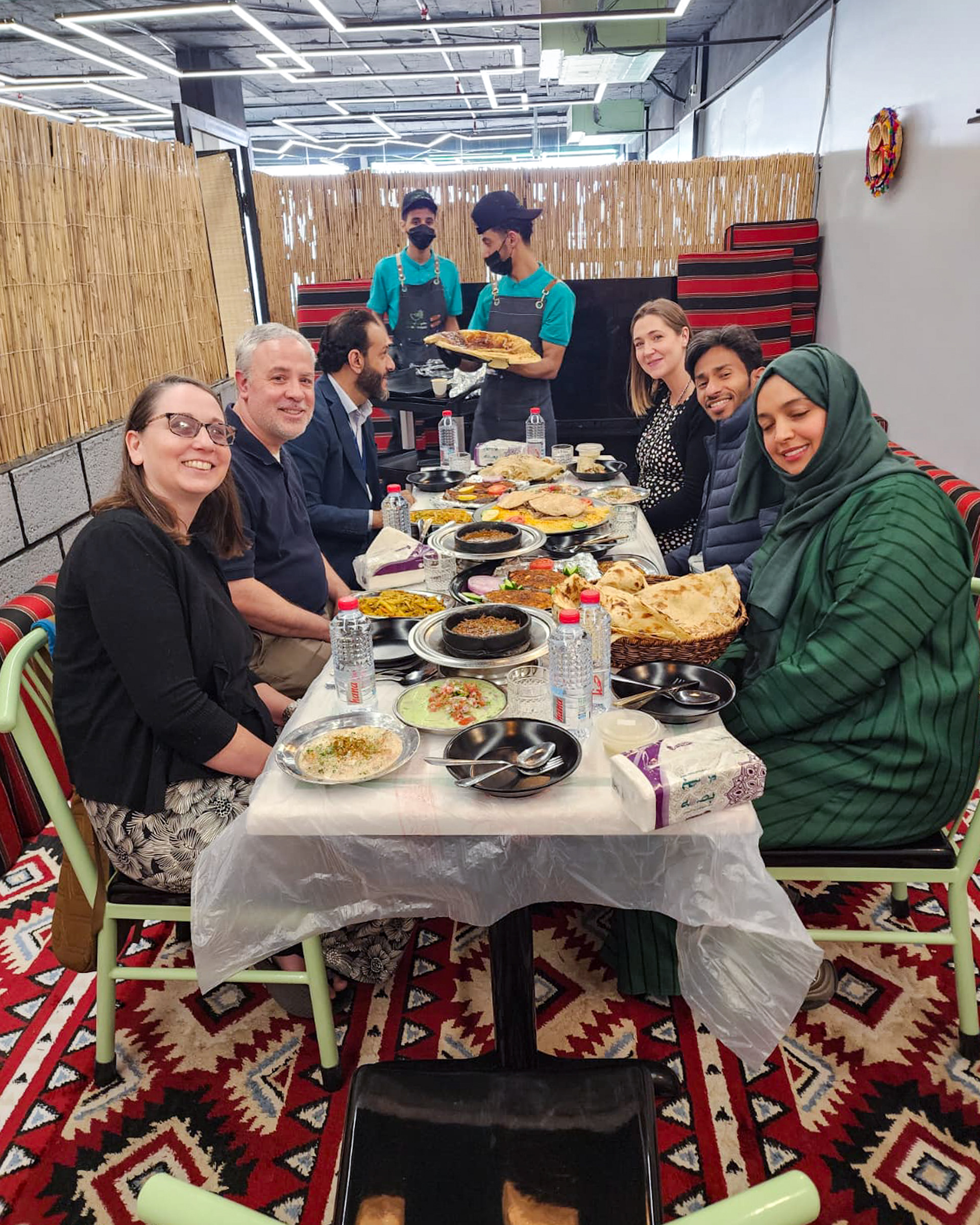
Green Ibb Restaurant - With Jennifer's staff.

Katherine with Faris.
Faris.
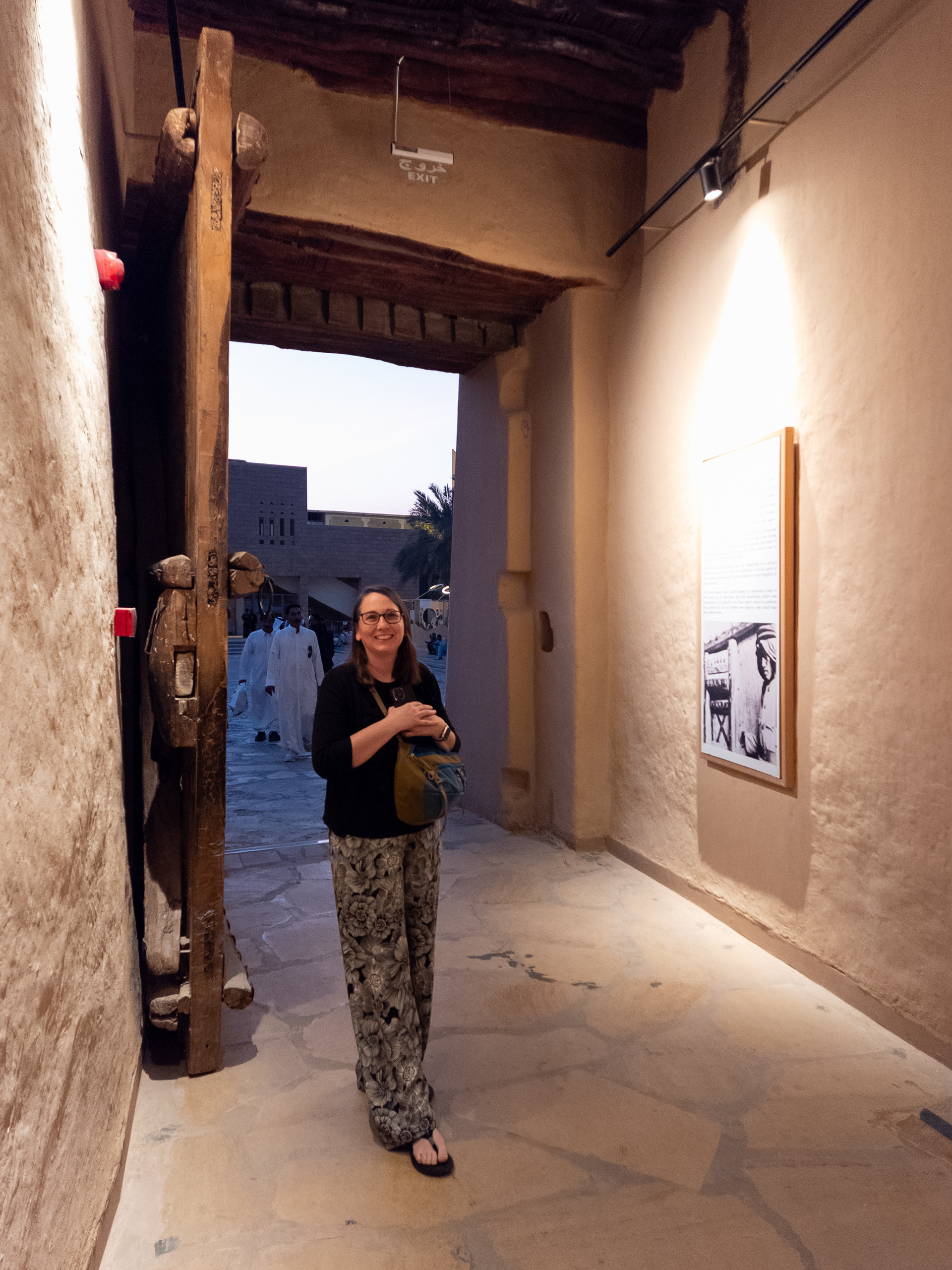
Al Mazmak Fort - A 19th-century clay and mud-brick fortress crucial to the unification of Saudi Arabia. Commissioned around 1865 and famously retaken by King Abdulaziz in 1902, it symbolized the start of the modern Saudi state. Today, it operates as a museum.
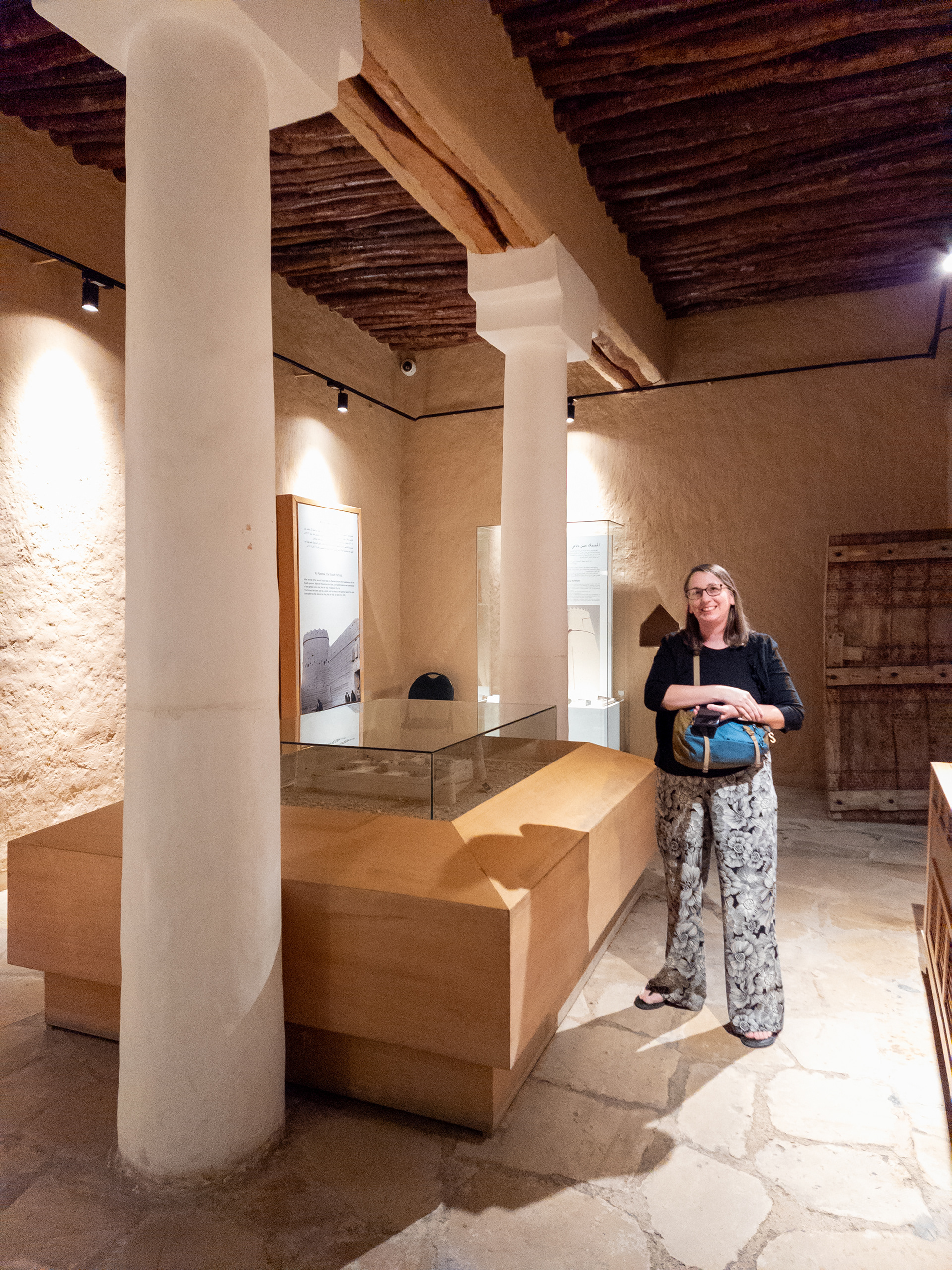
Al Mazmak Fort.
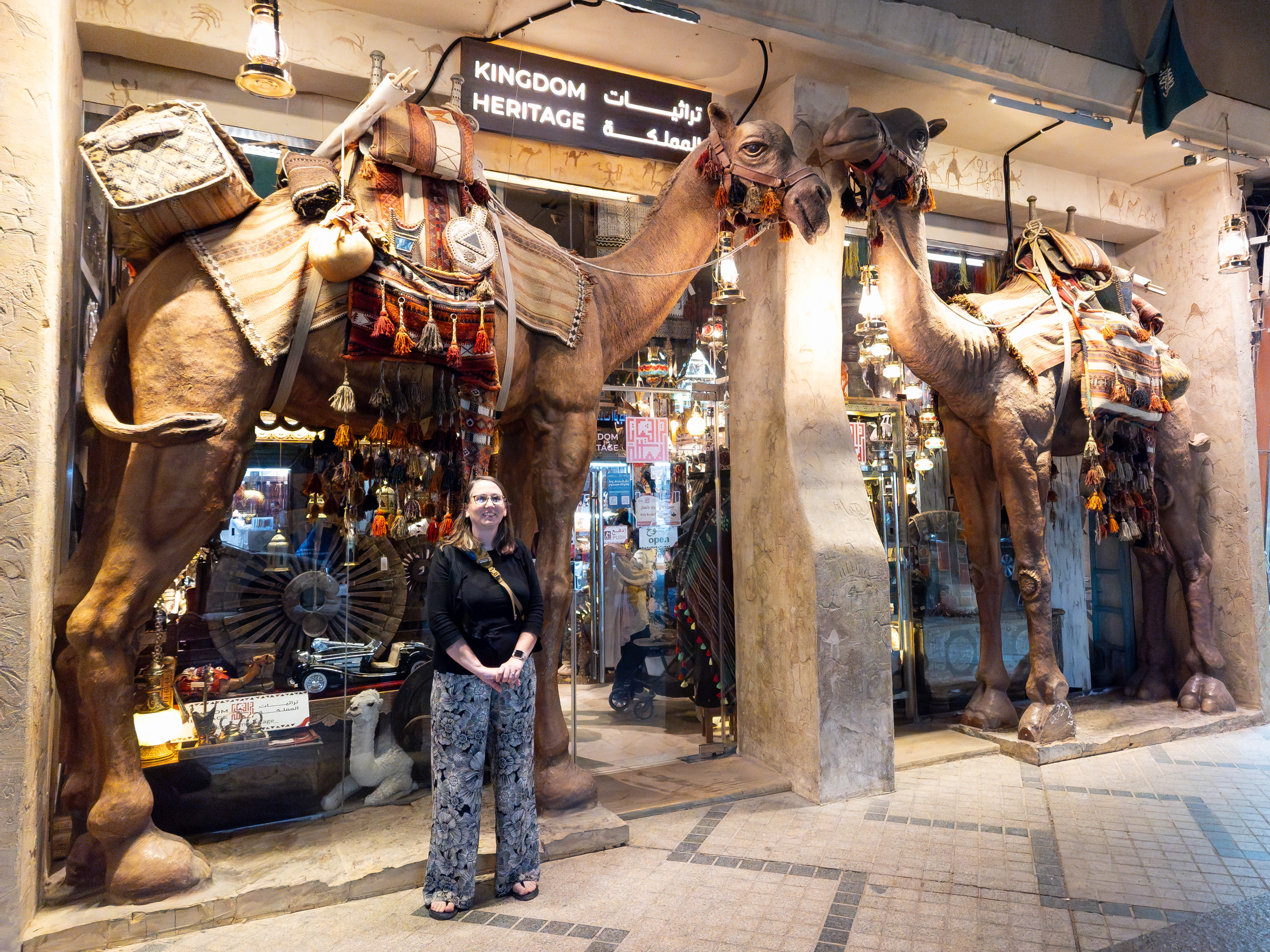
Kingdom Heritage gift shop in the old Souq of Riyadh.
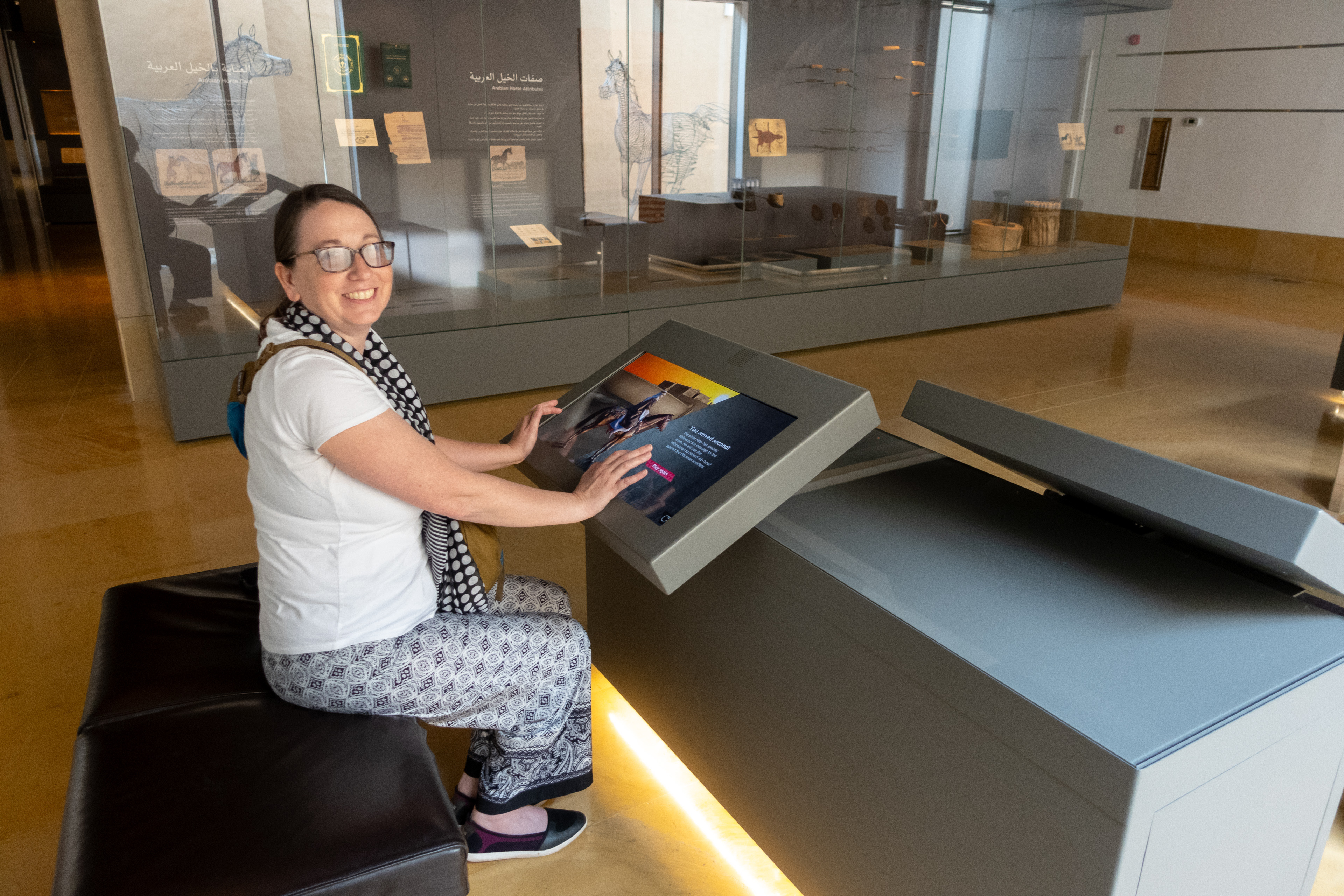
Horse museum @ At-Turaif UNESCO world heritage site in Riyadh.
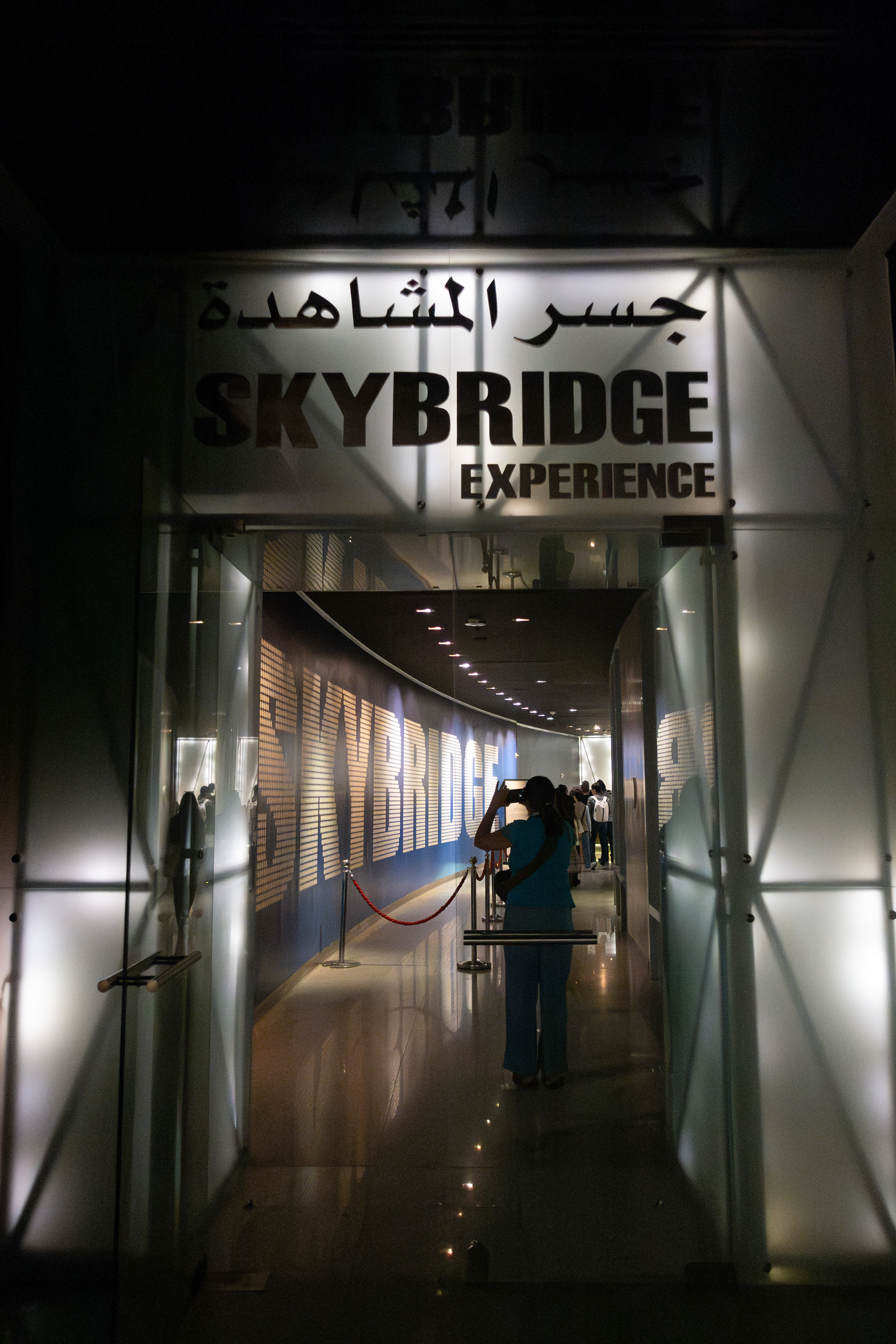
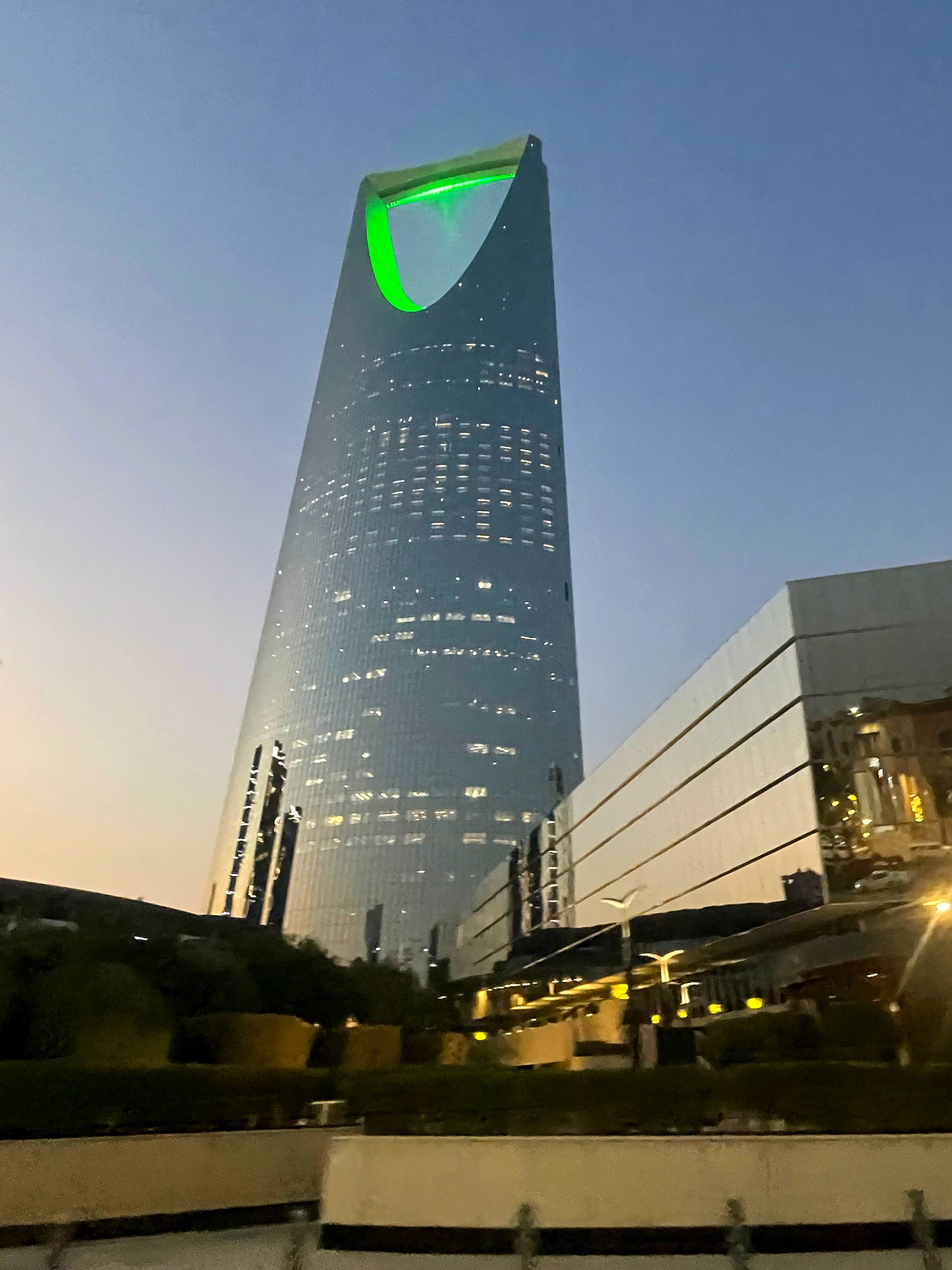
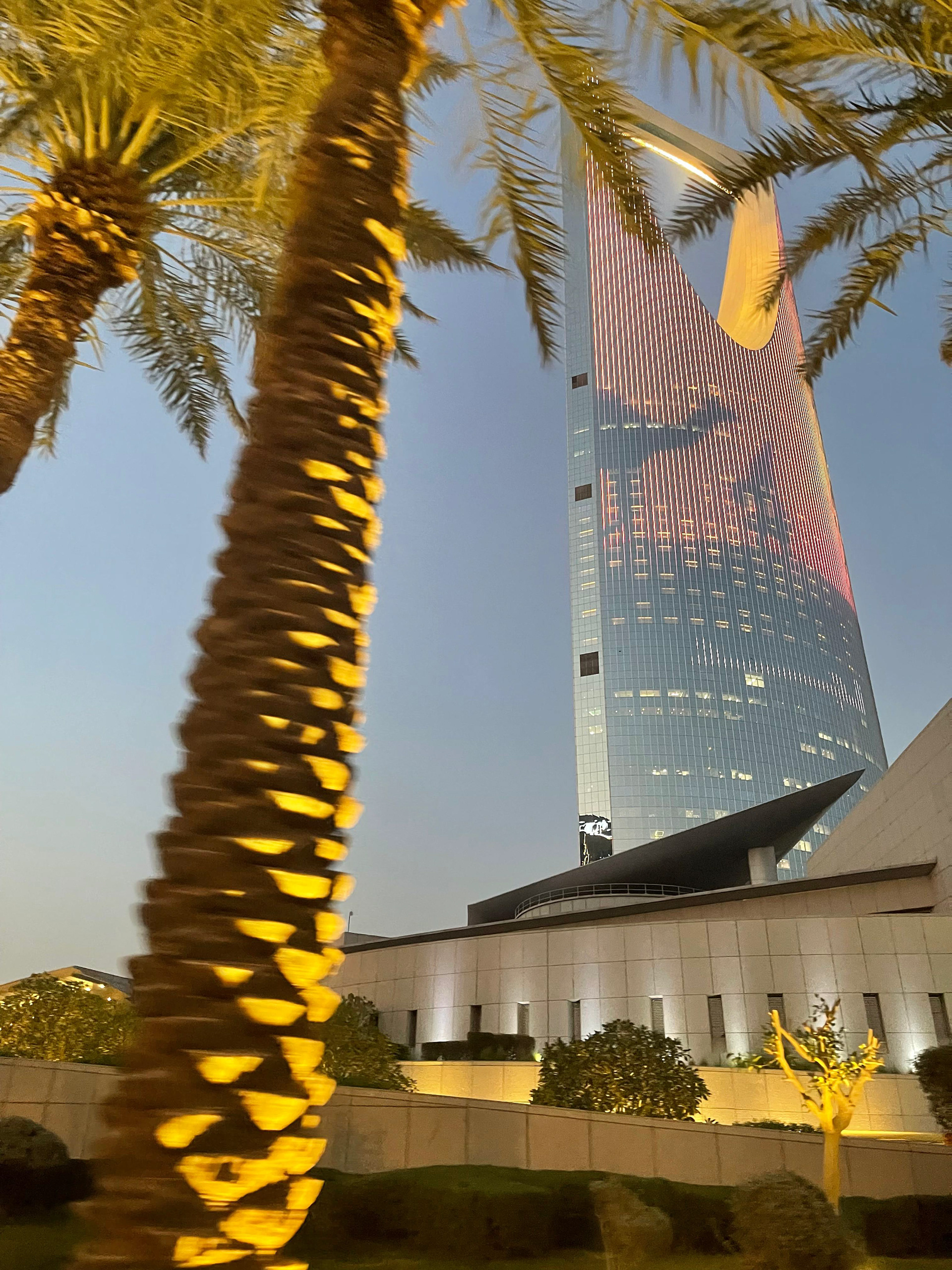
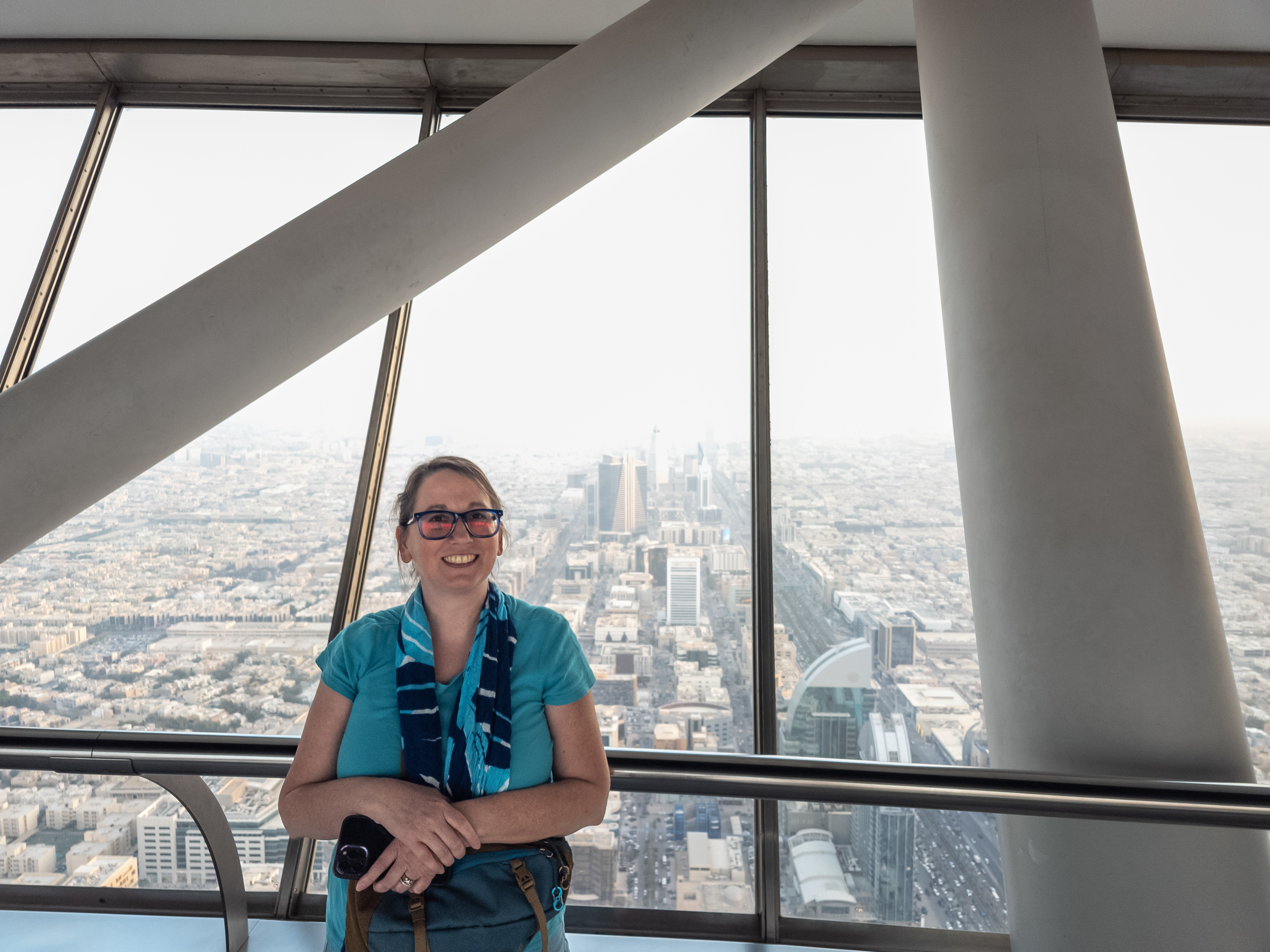
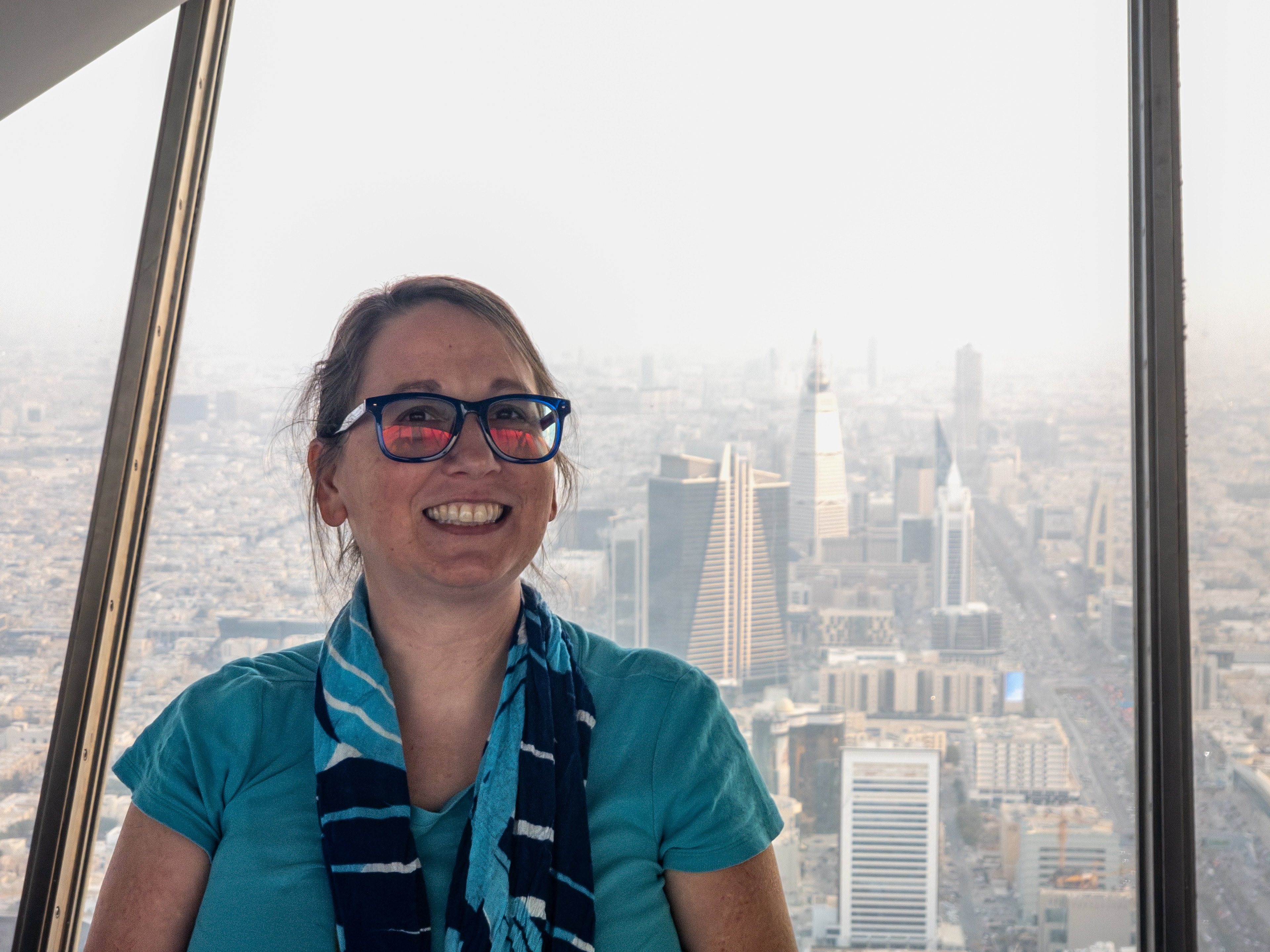
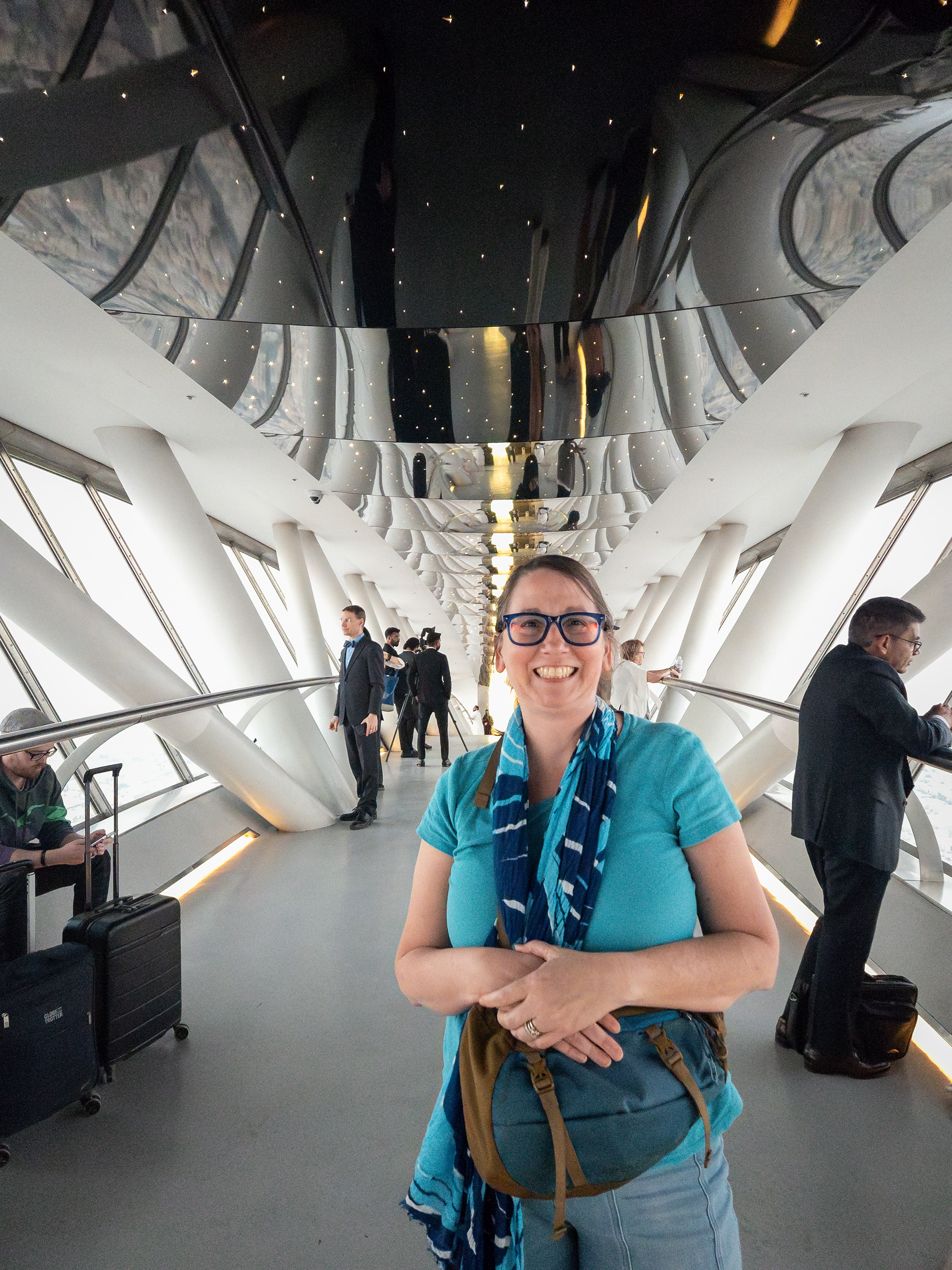
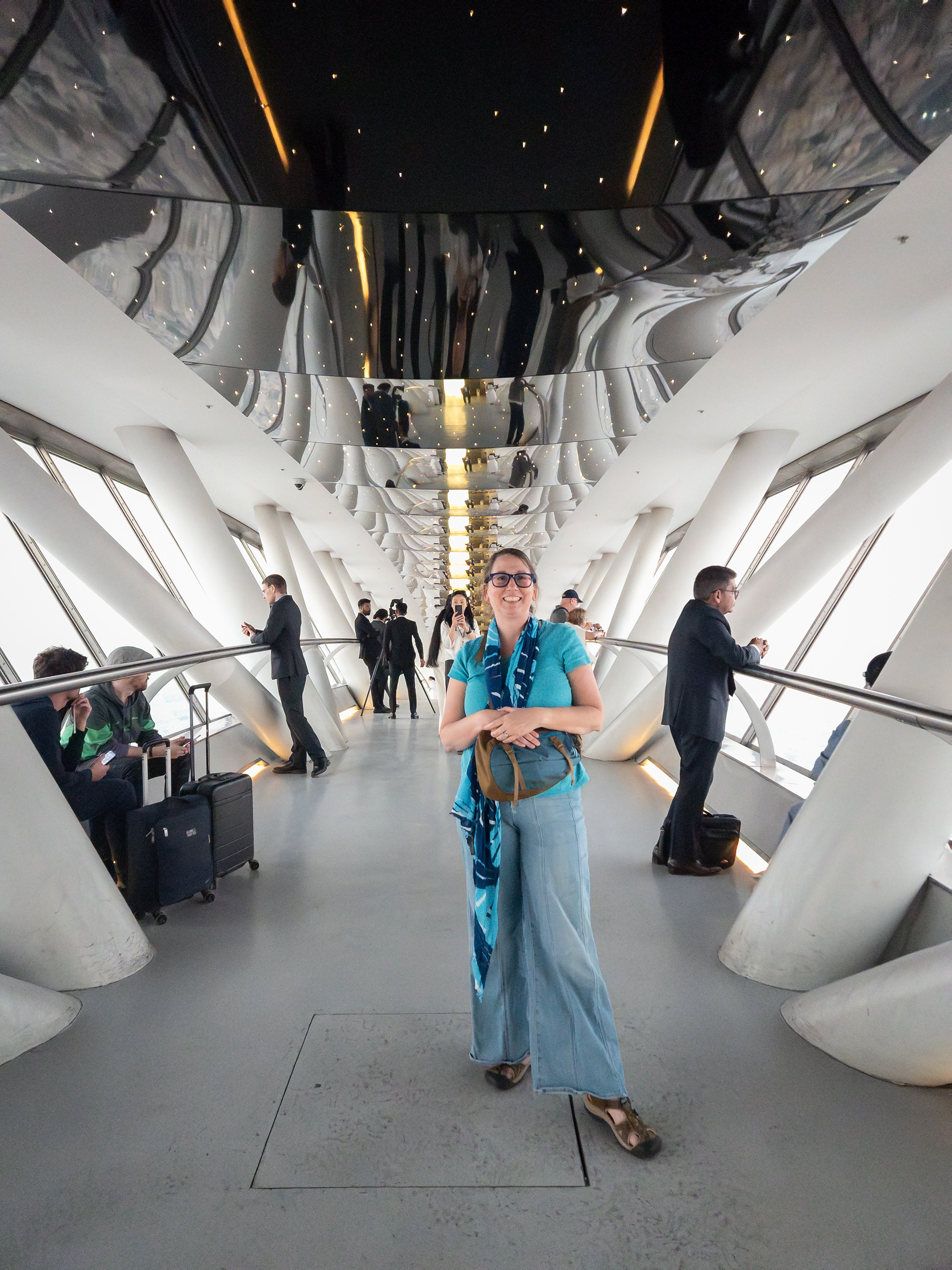
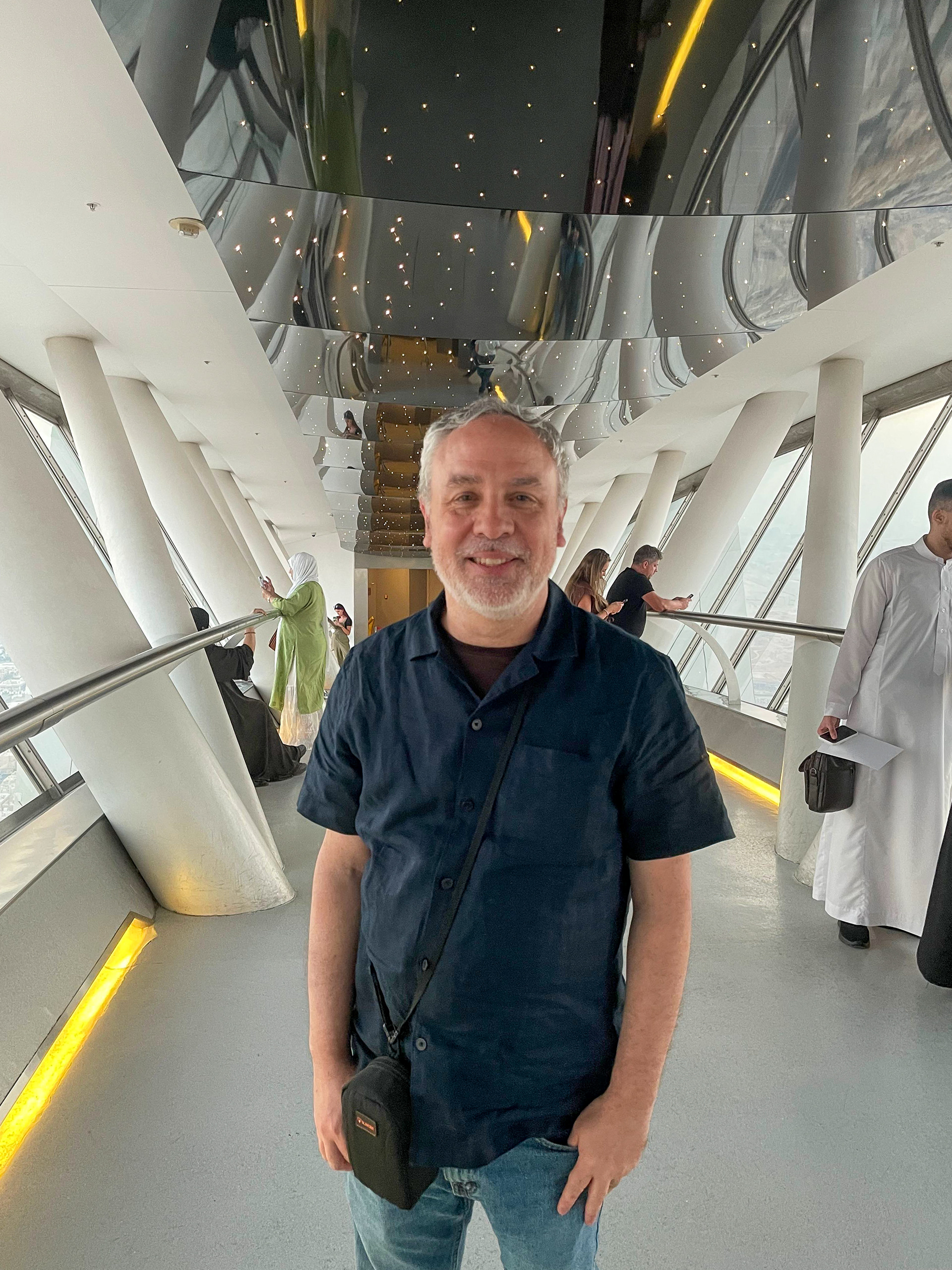
Kingdom Center Tower
Completed in 2002 and opened in 2003, the Kingdom Centre in Riyadh is a 302.3-meter (992 ft), 99-story skyscraper owned by Prince Al-Waleed bin Talal. It is iconic for its inverted parabolic arch bridge, serving as a landmark of modern Saudi architecture, a luxury hub for the Four Seasons Hotel, and a premier shopping mall. It's one of Riyadh's most recognized and visited landmarks.
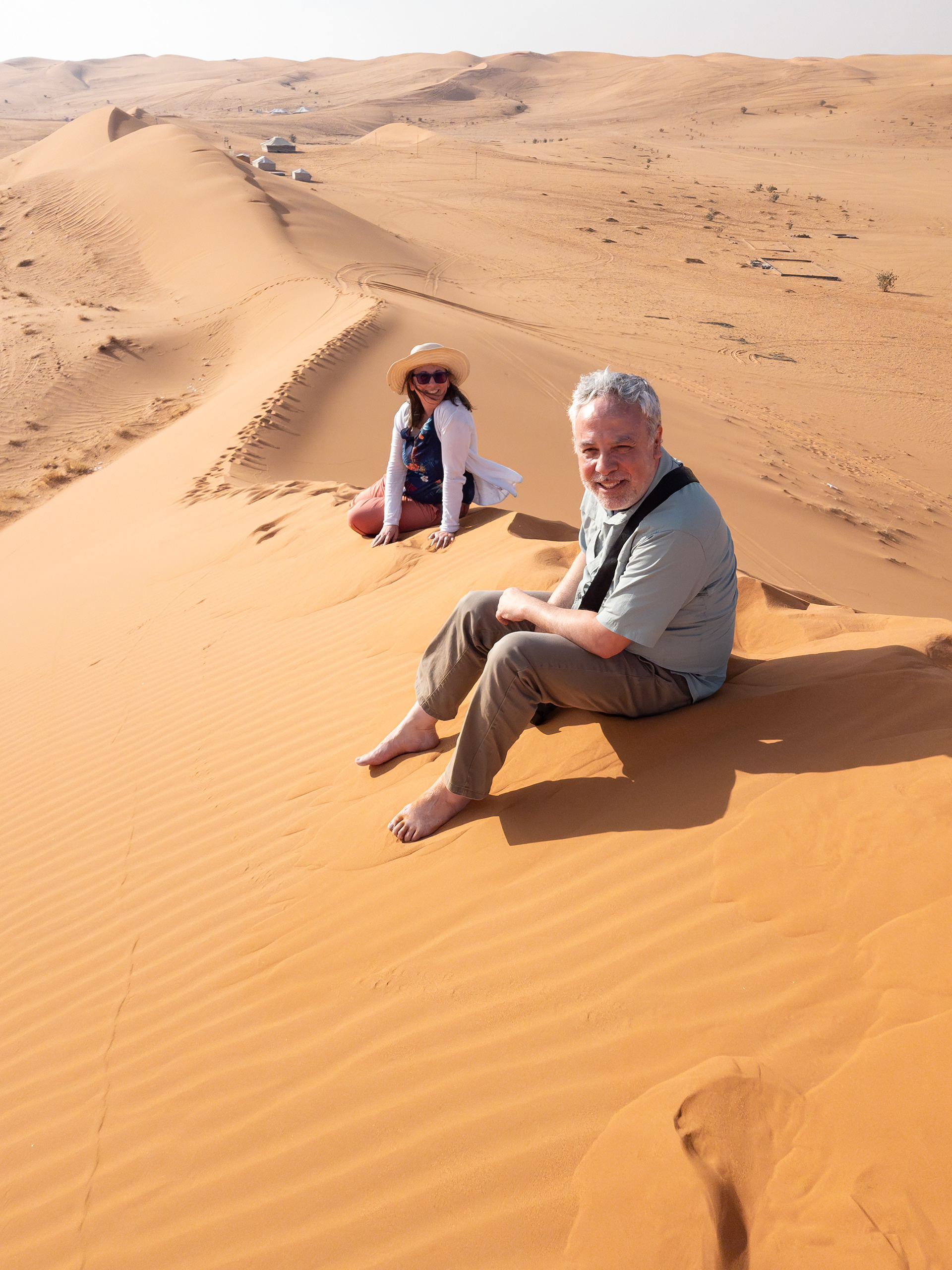
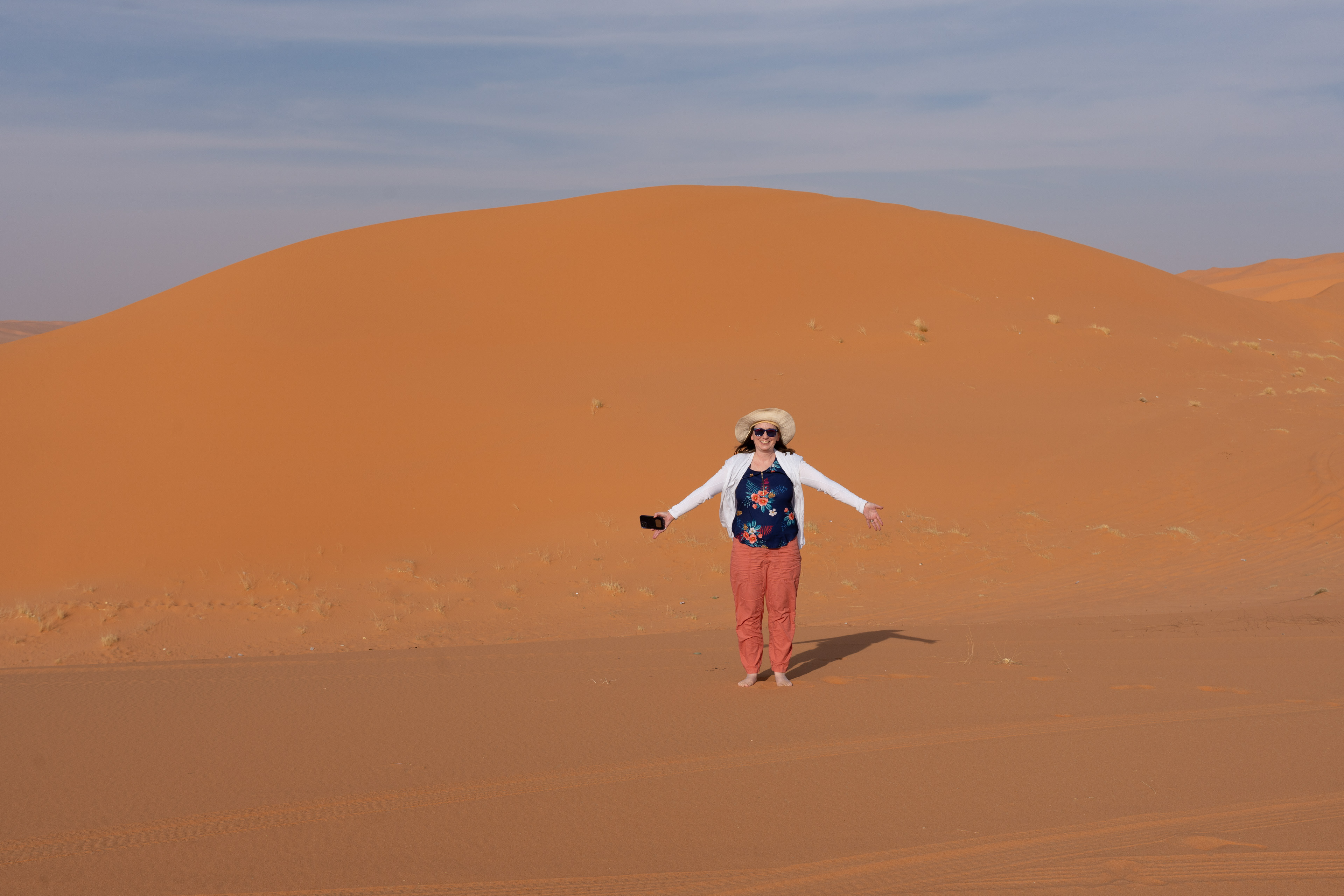
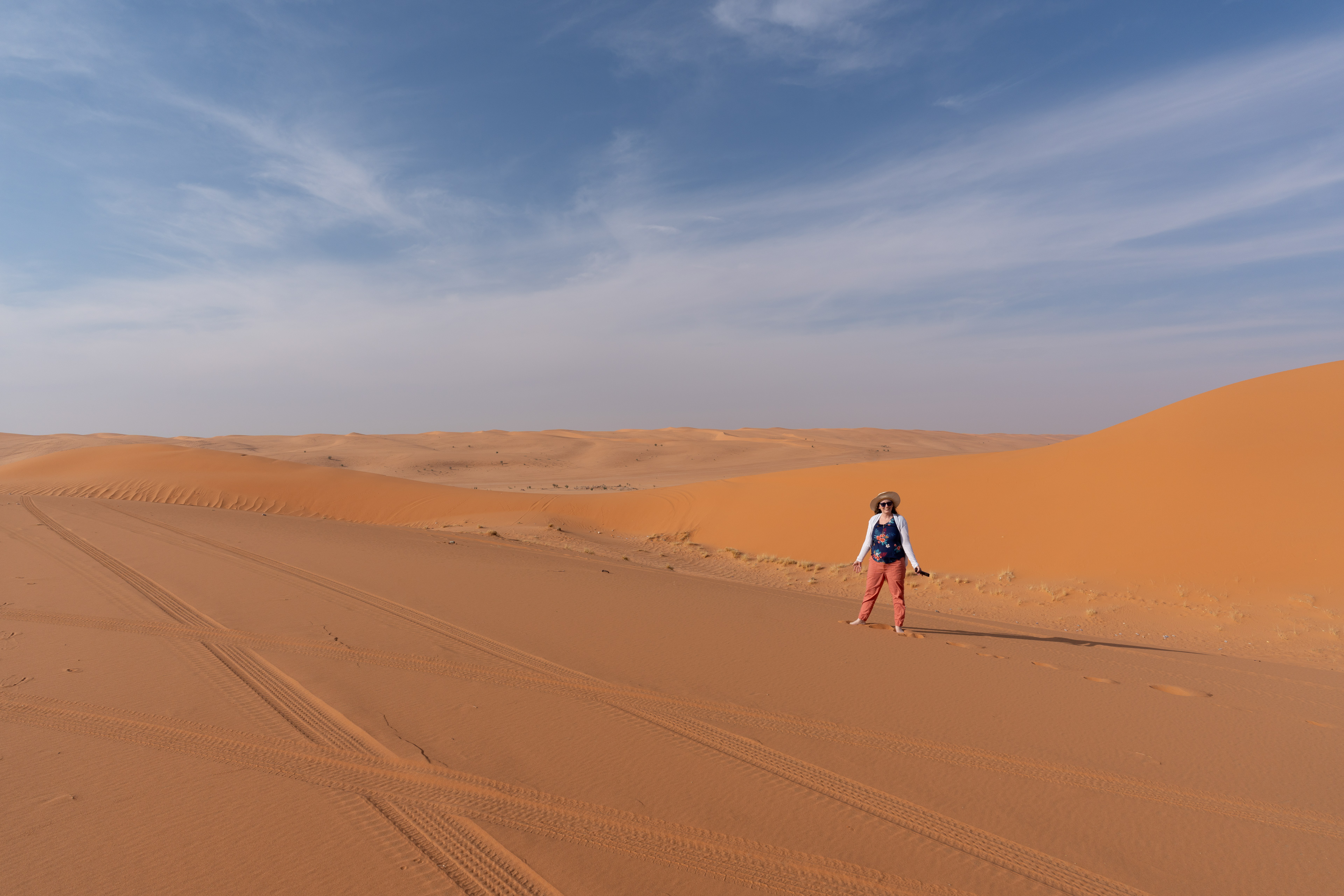
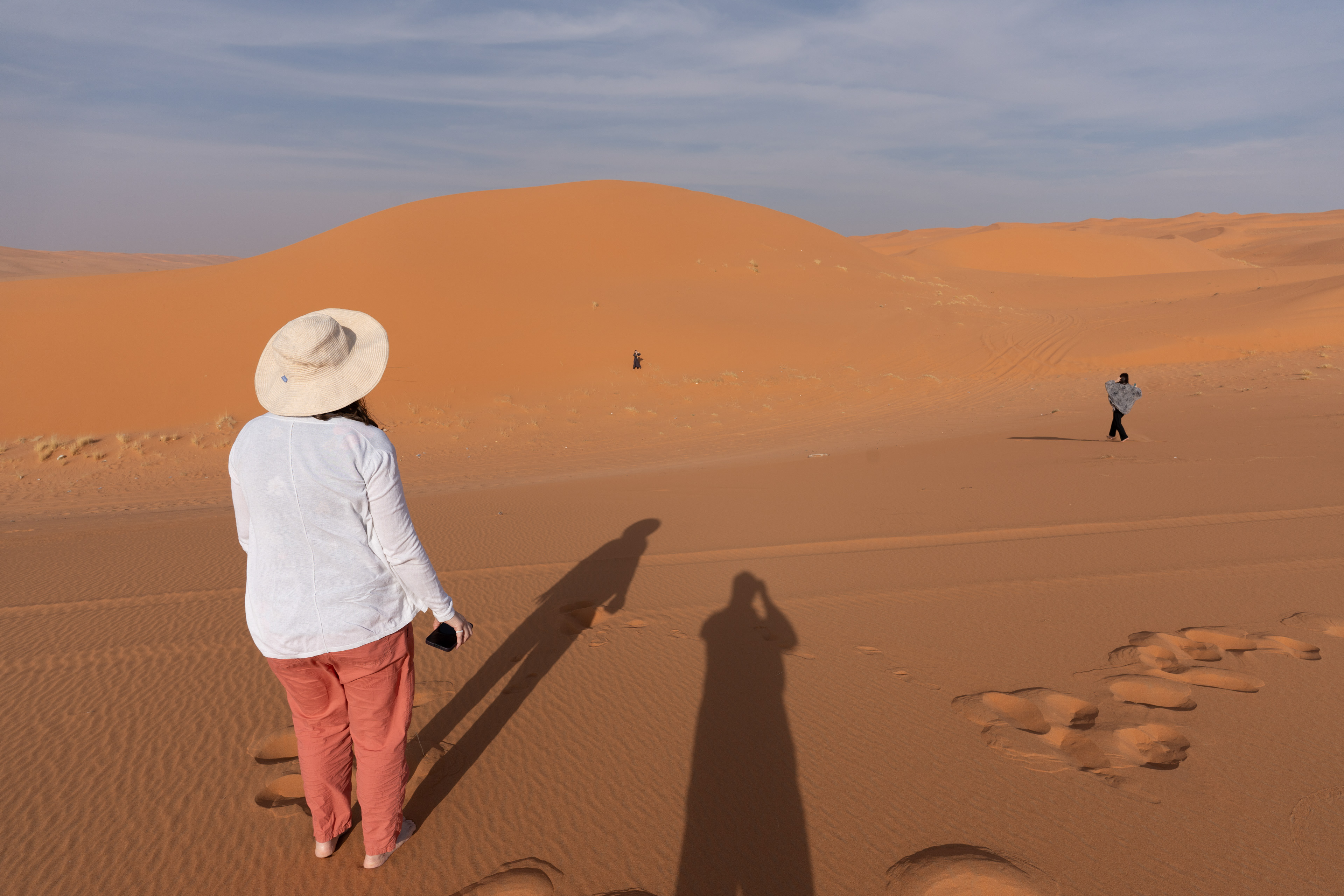
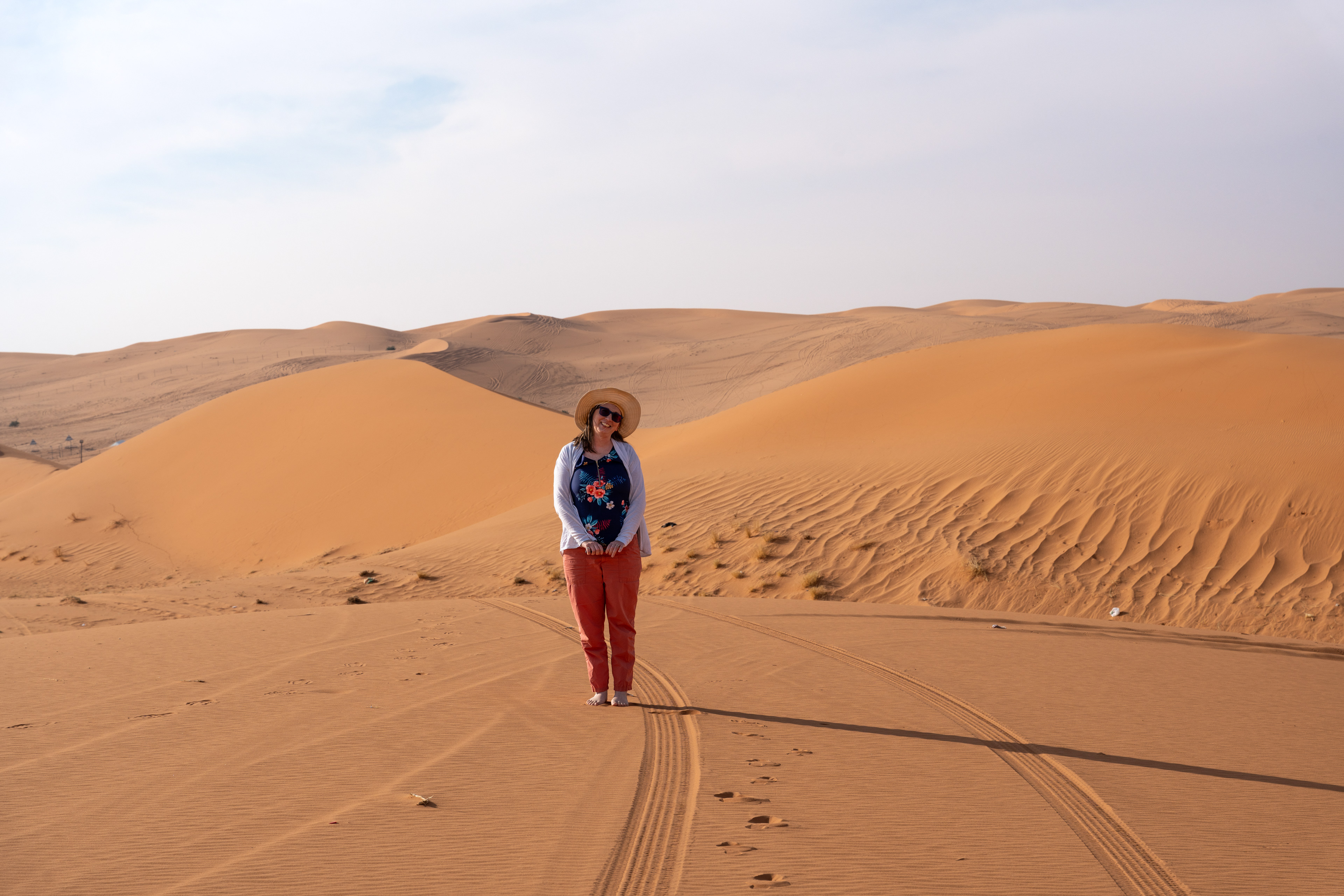
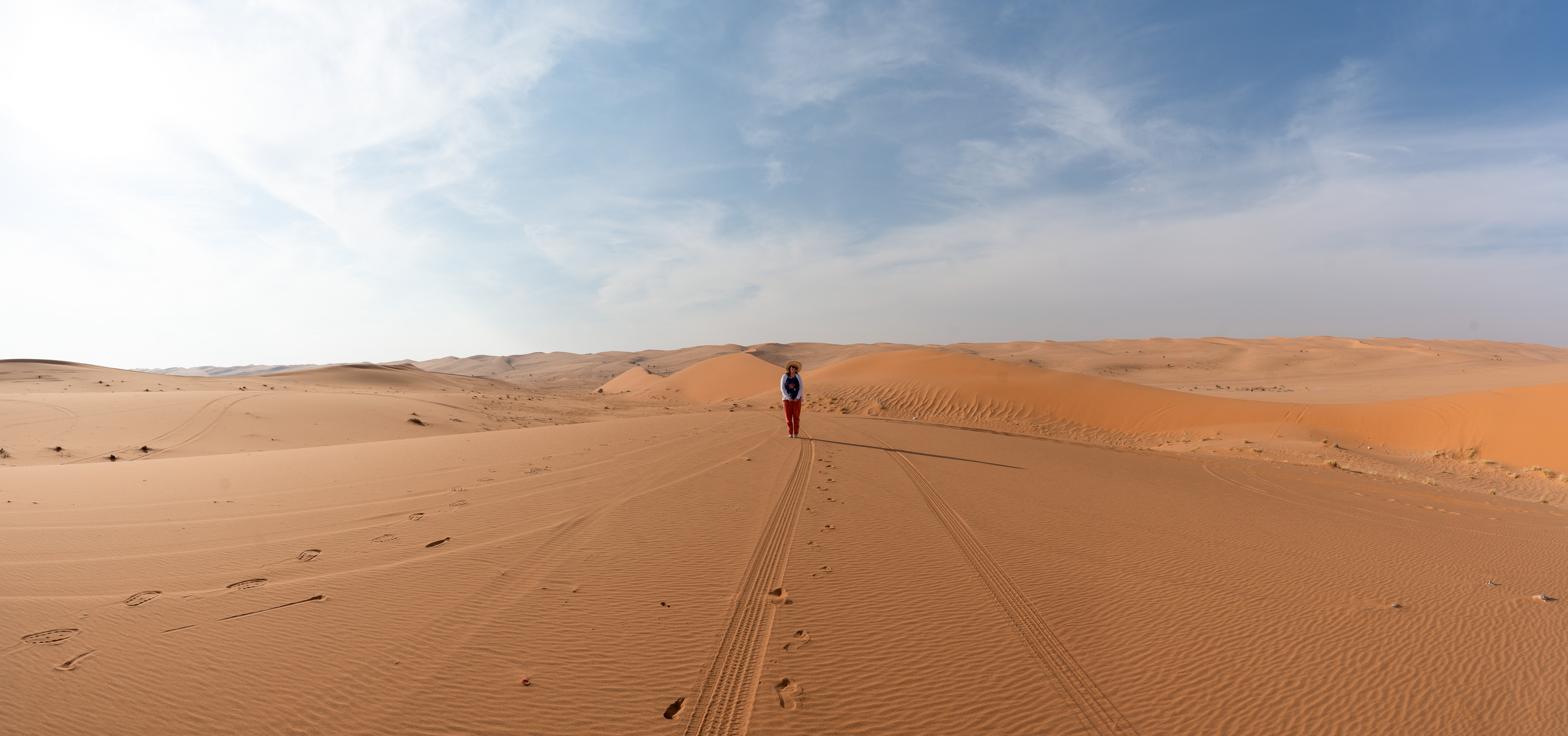
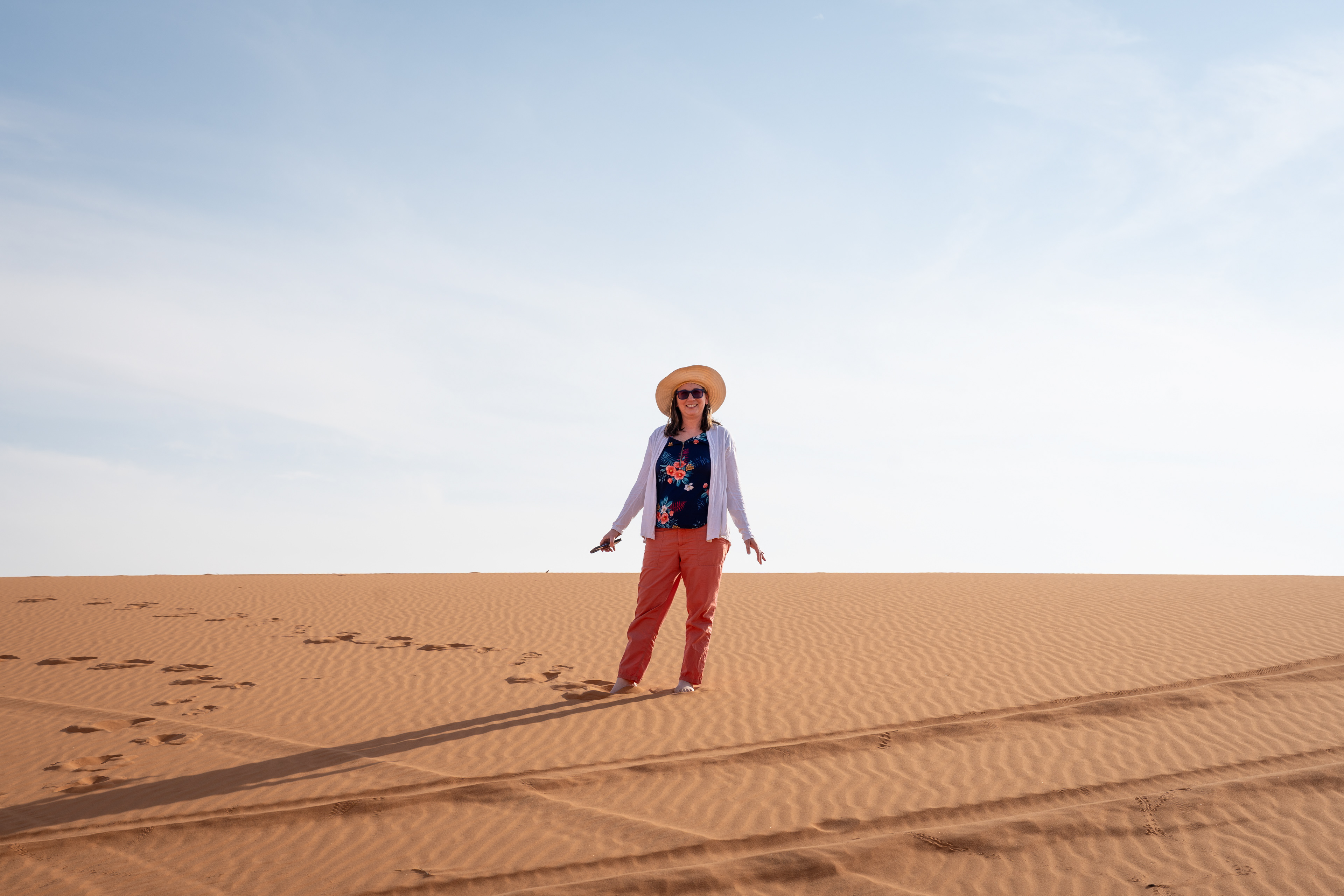
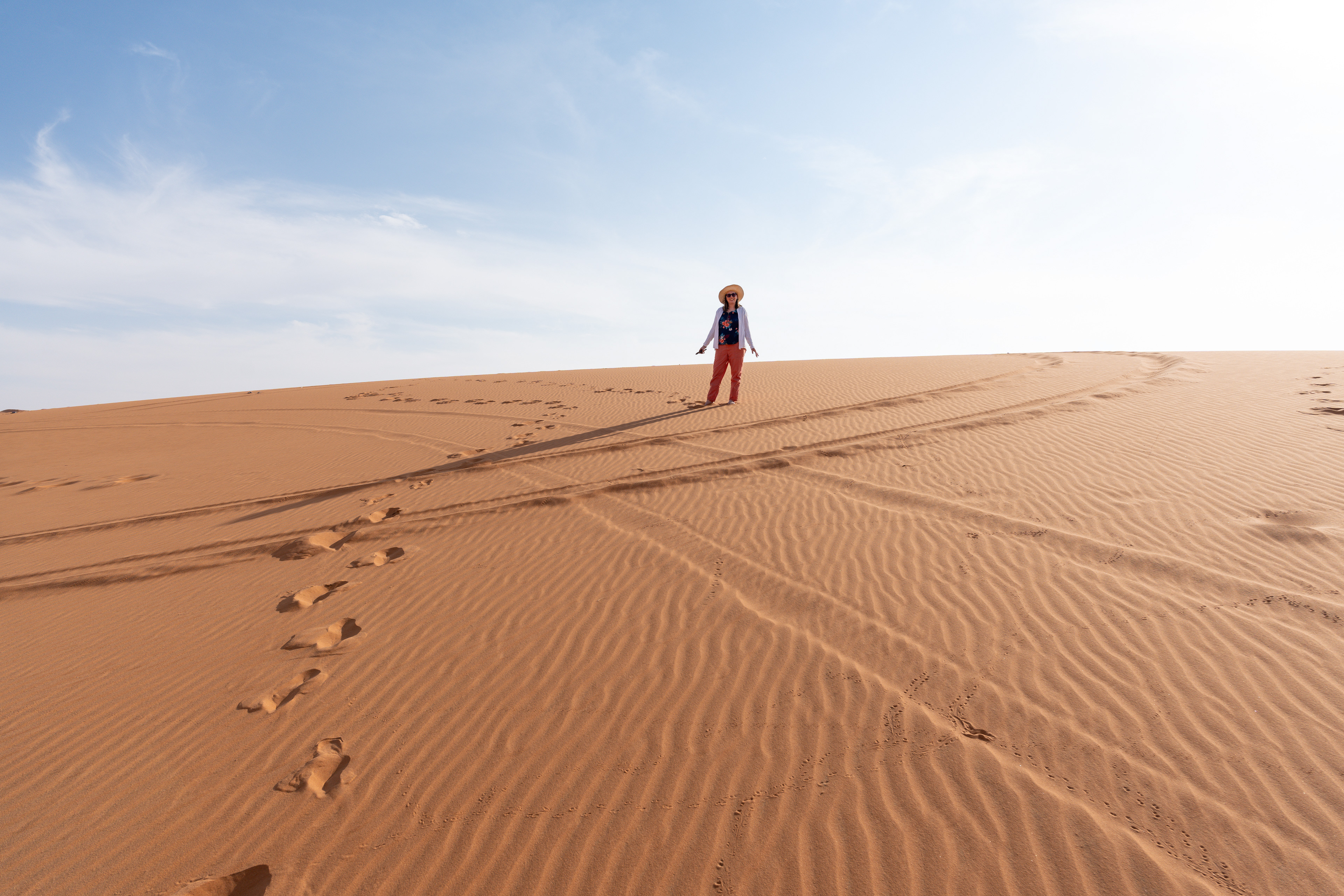
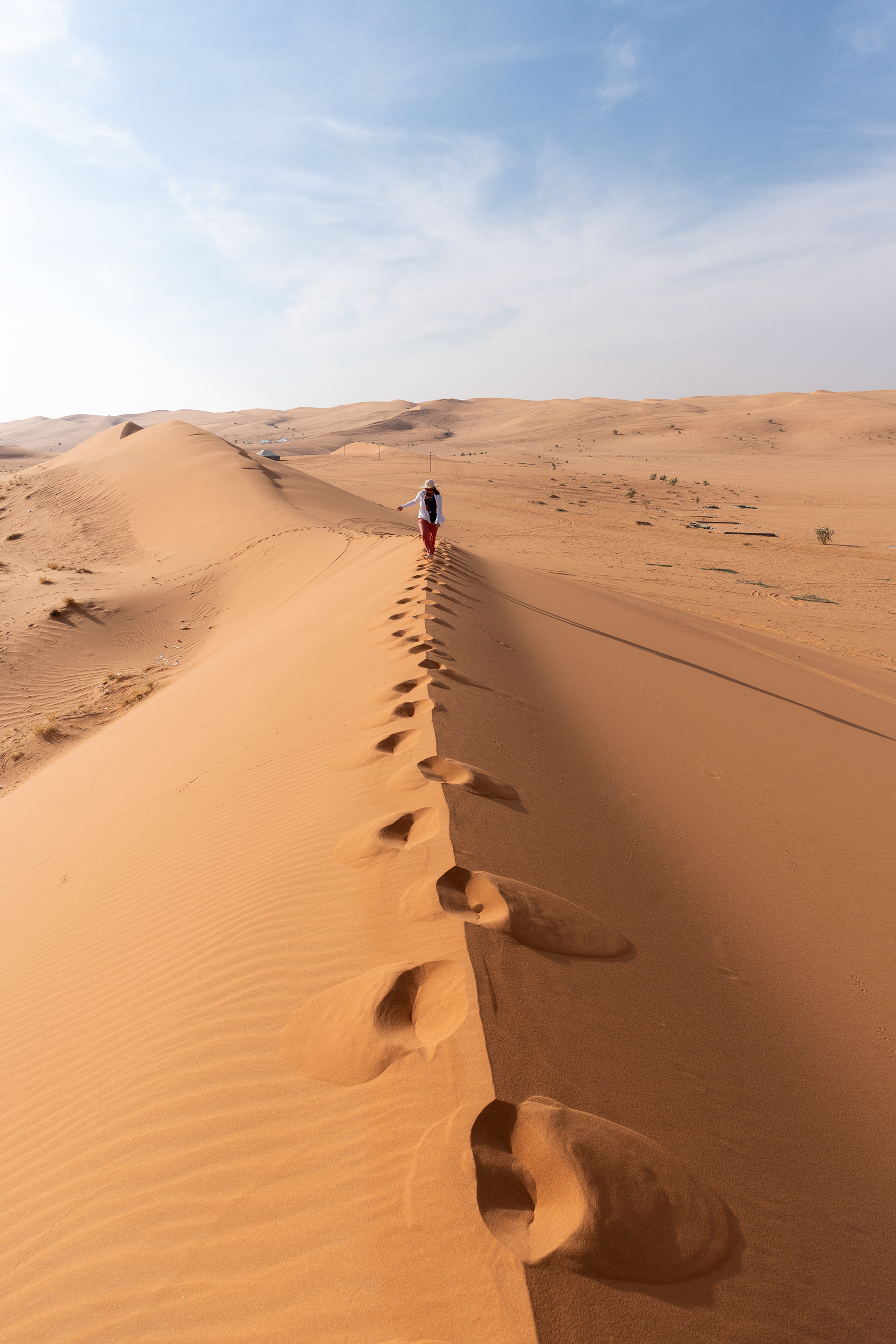
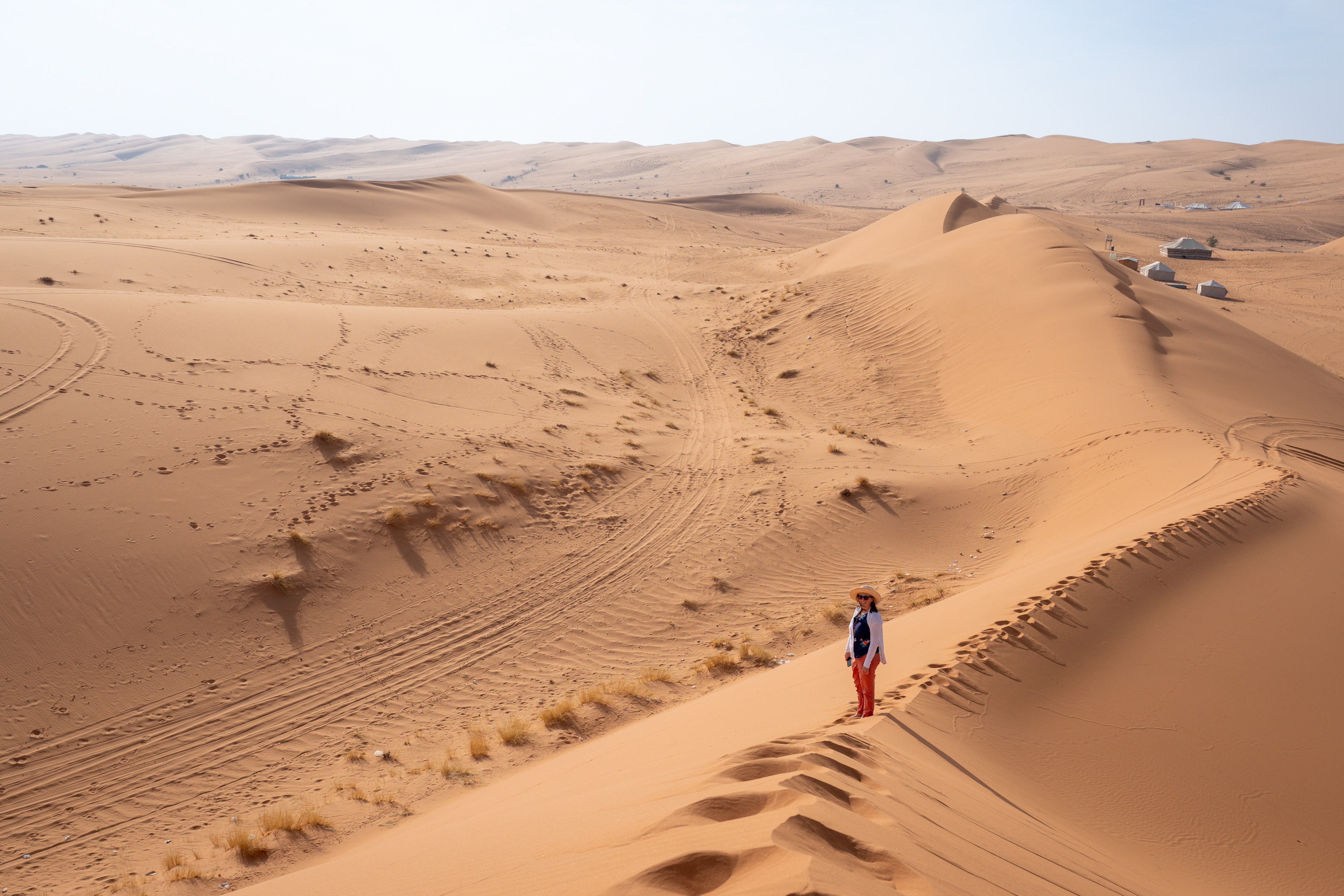
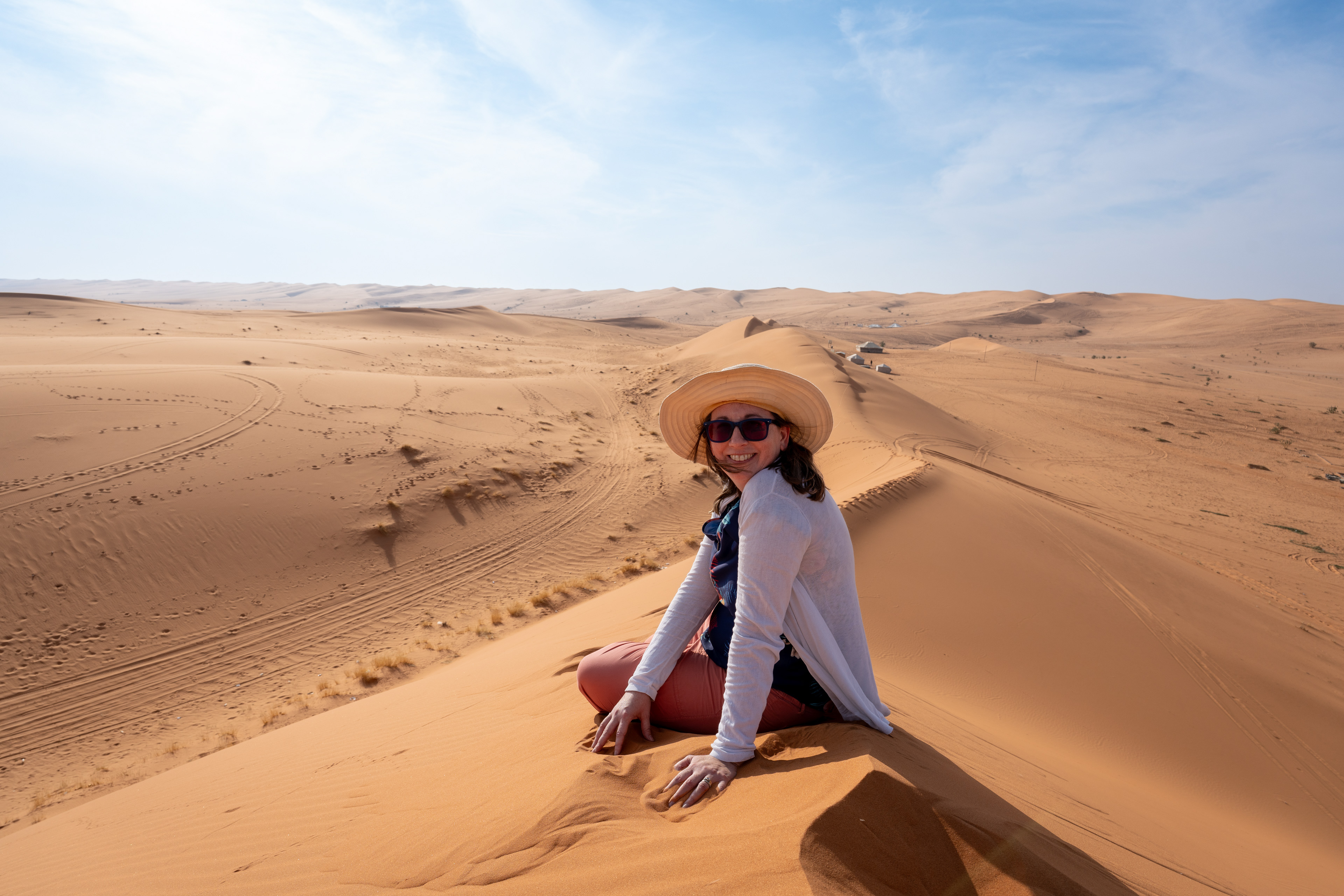
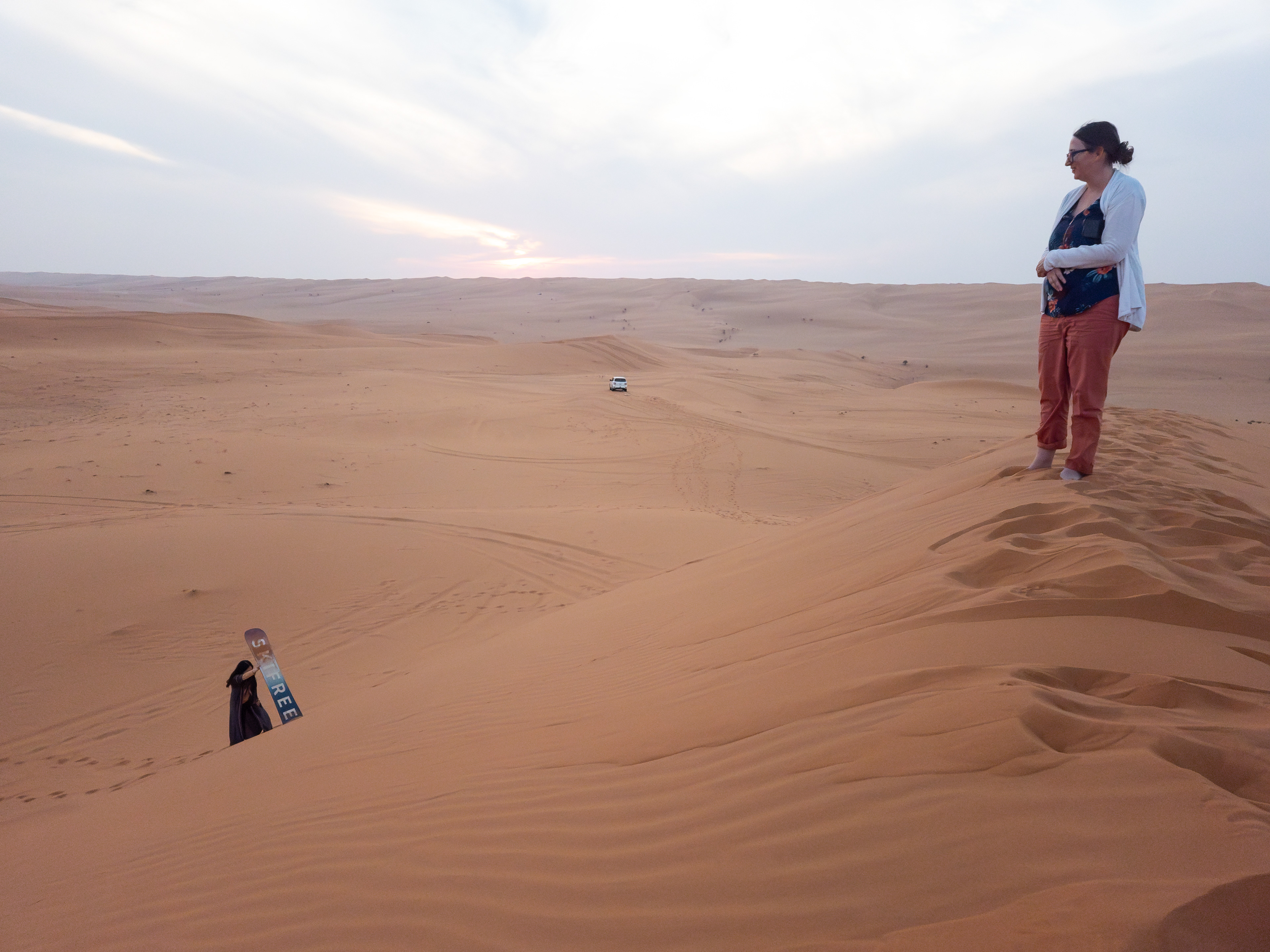
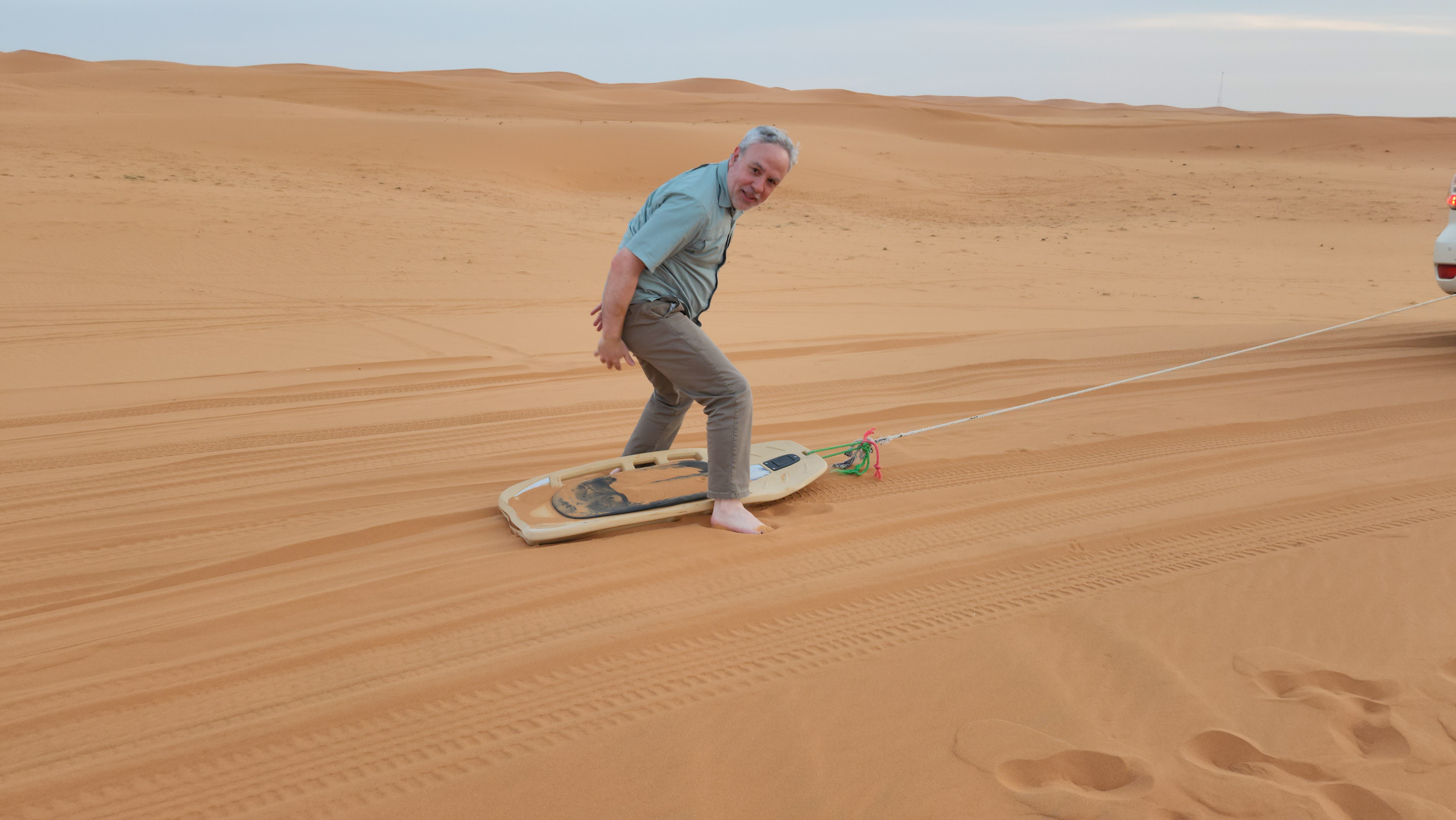
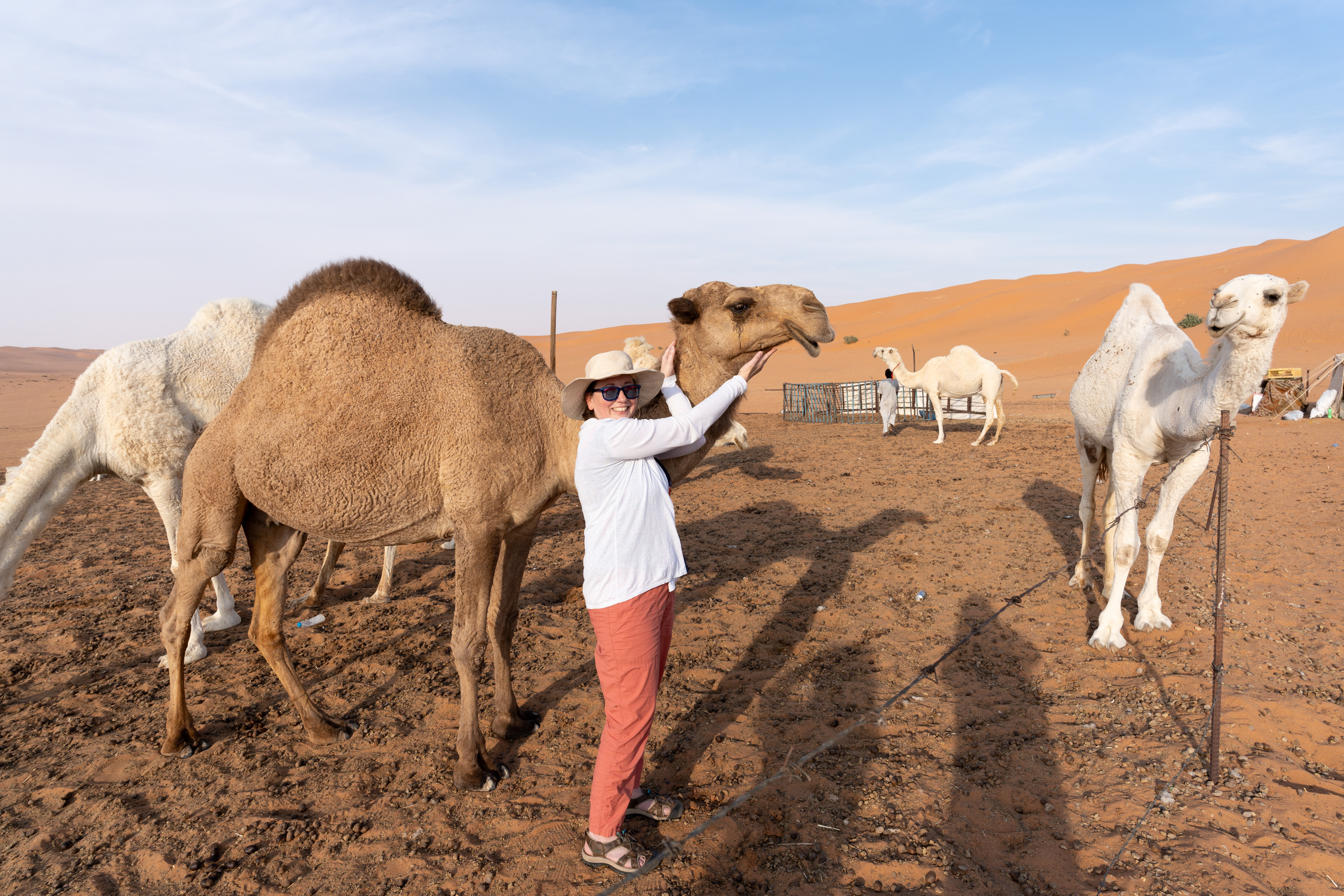
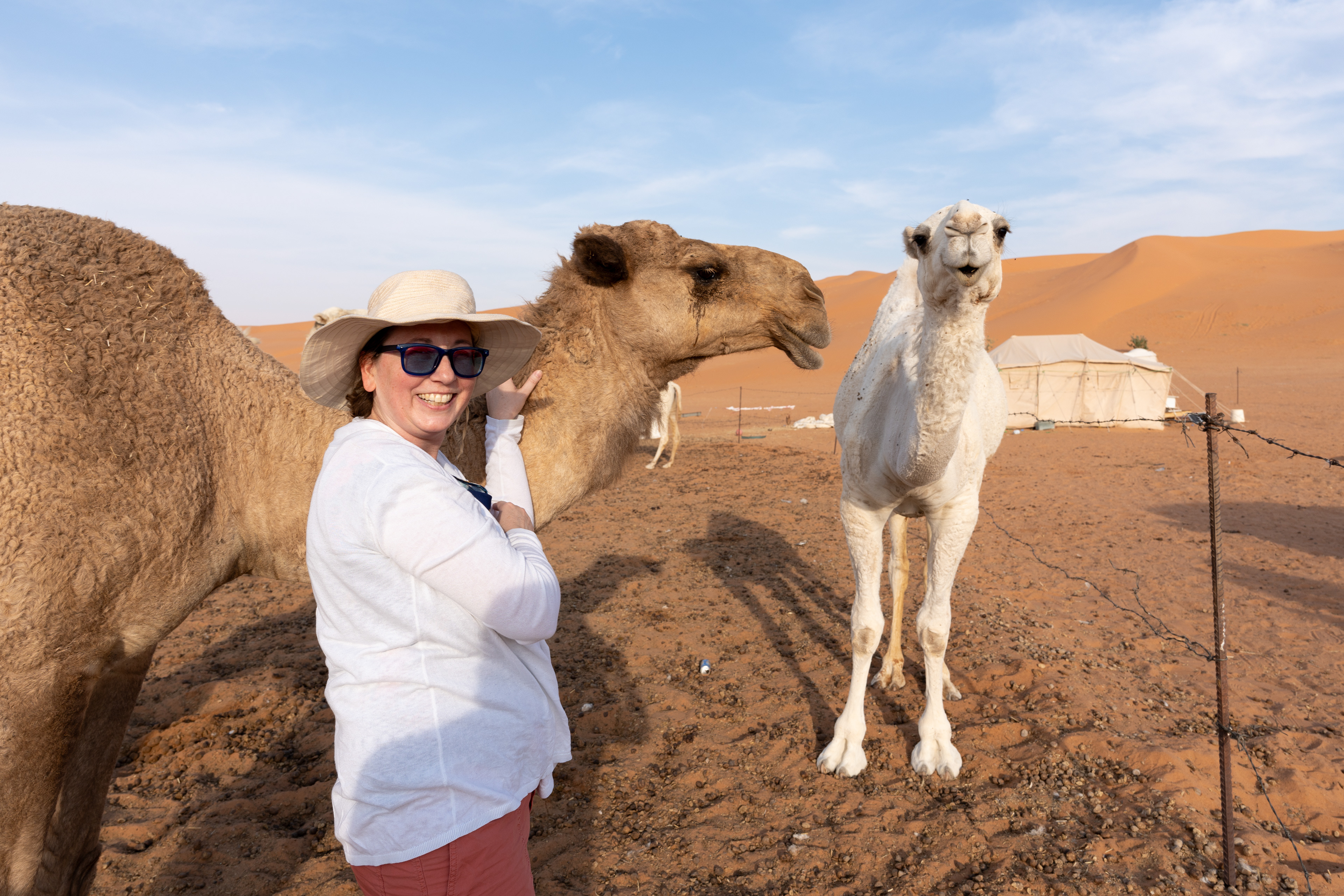
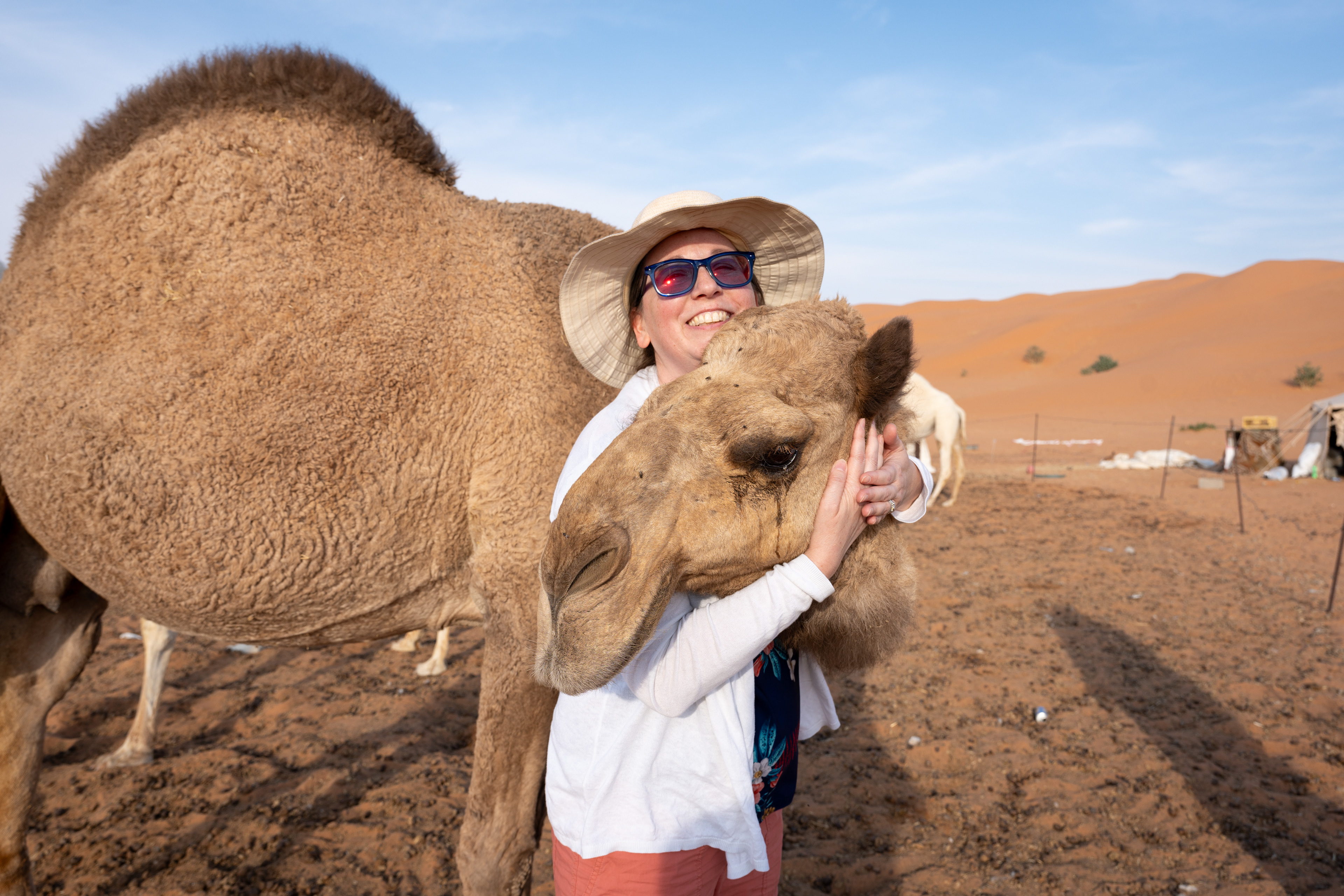
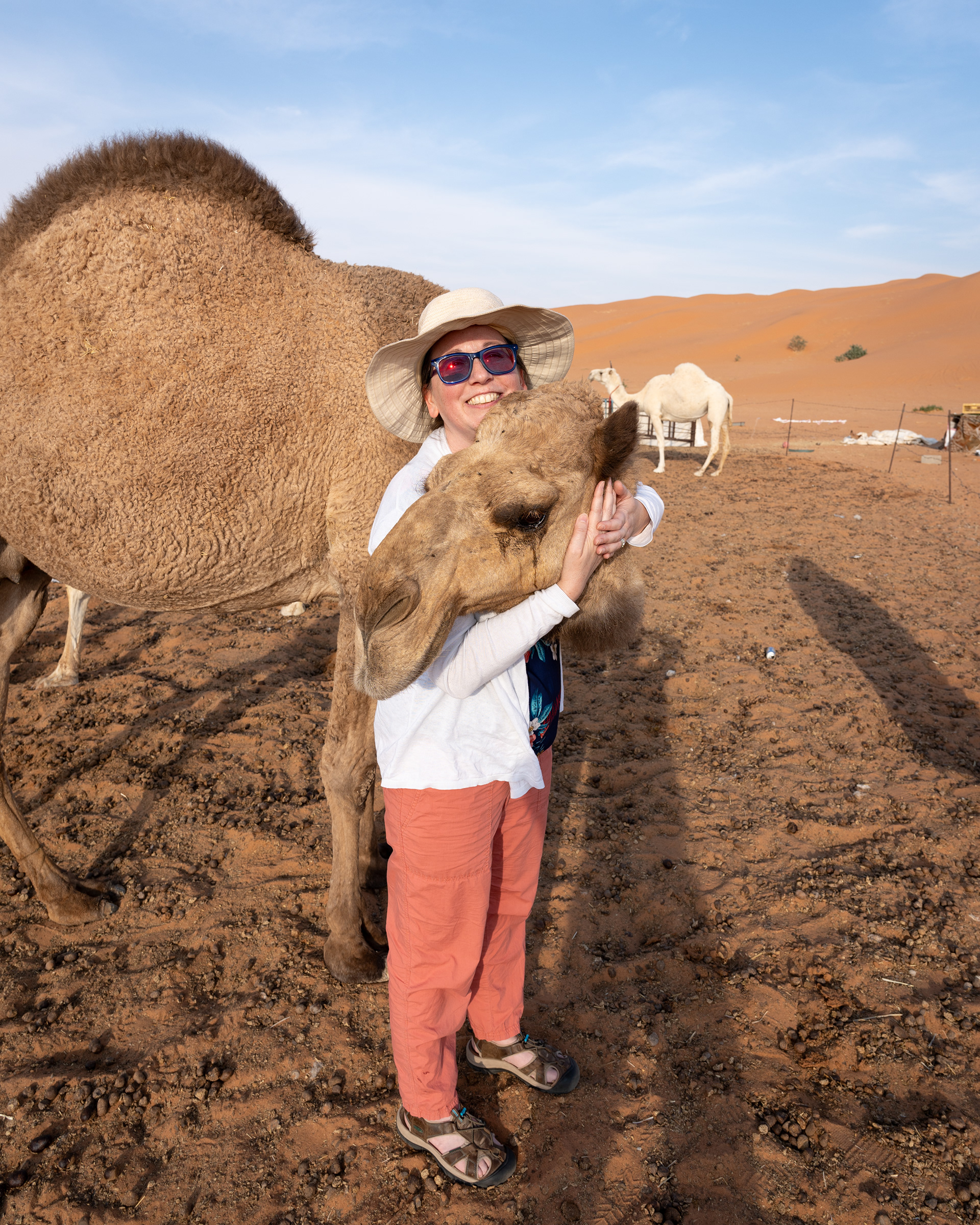
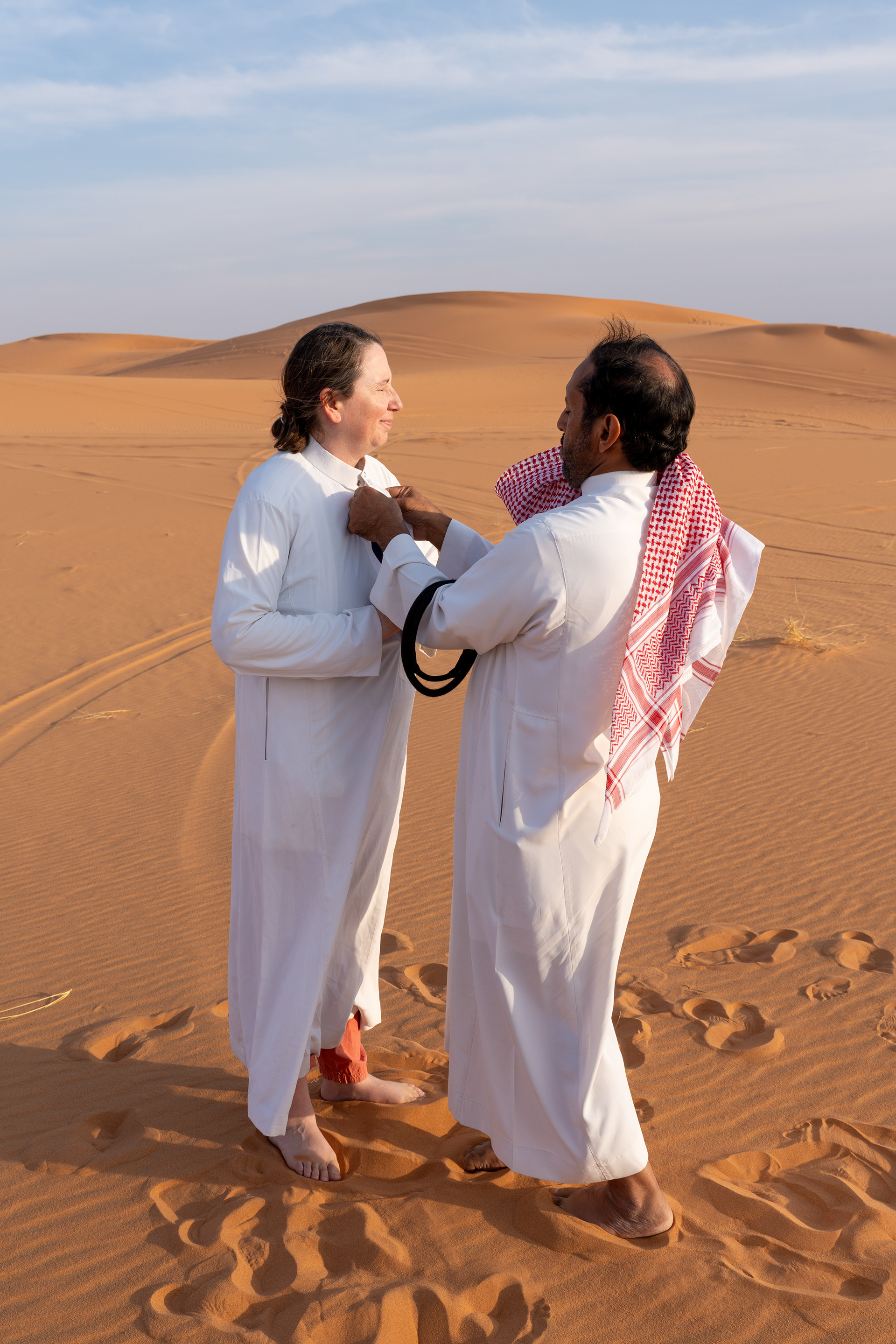
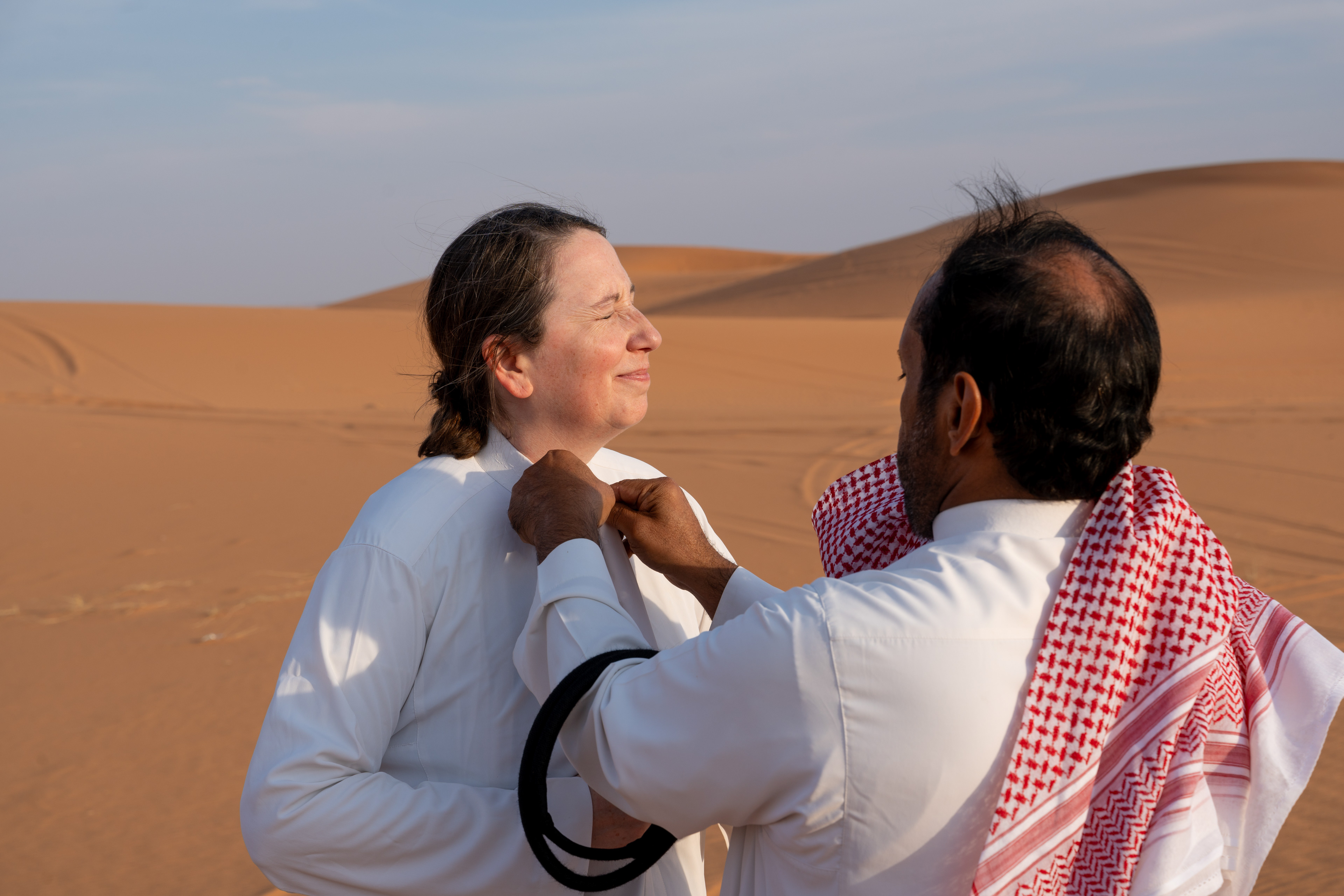
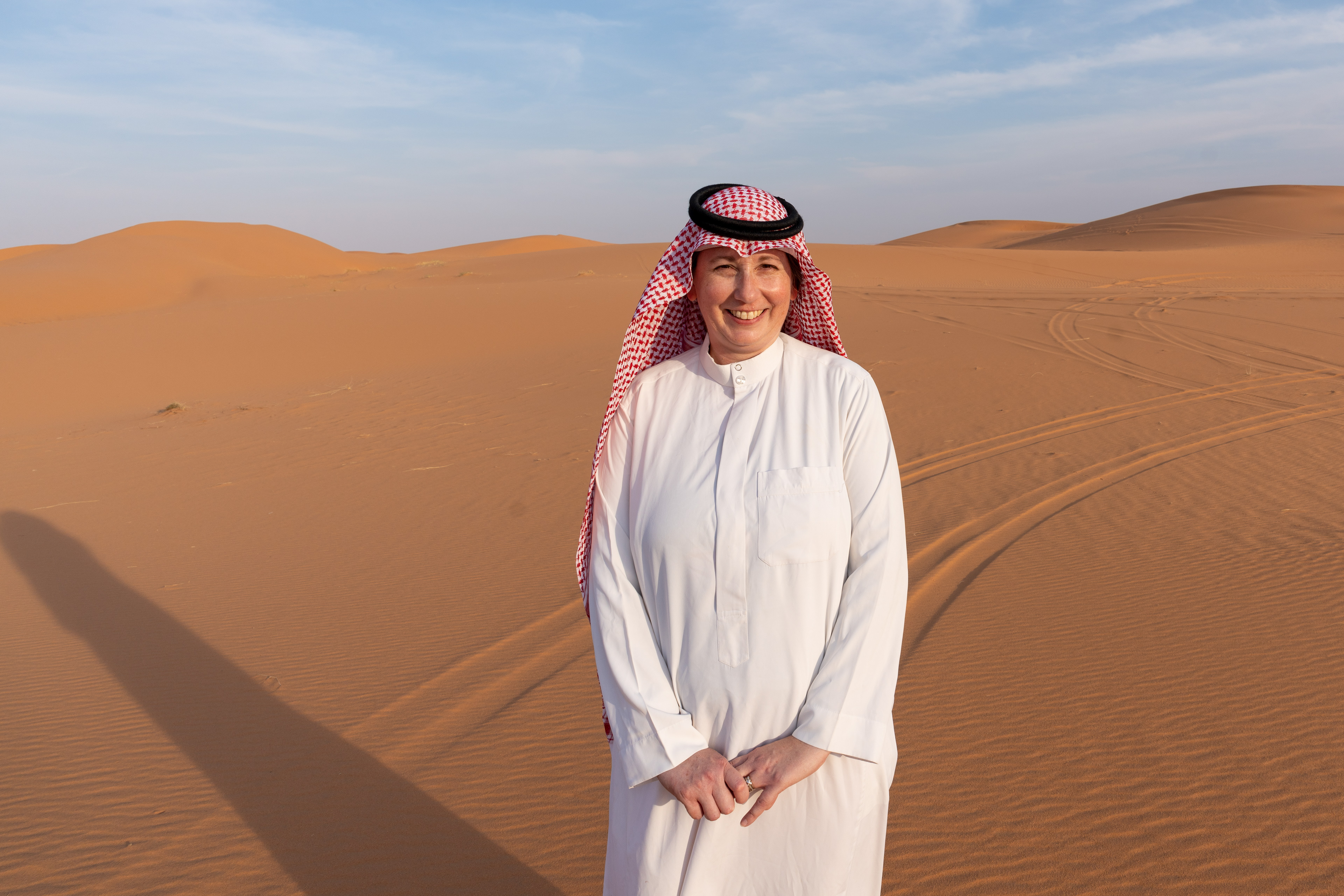
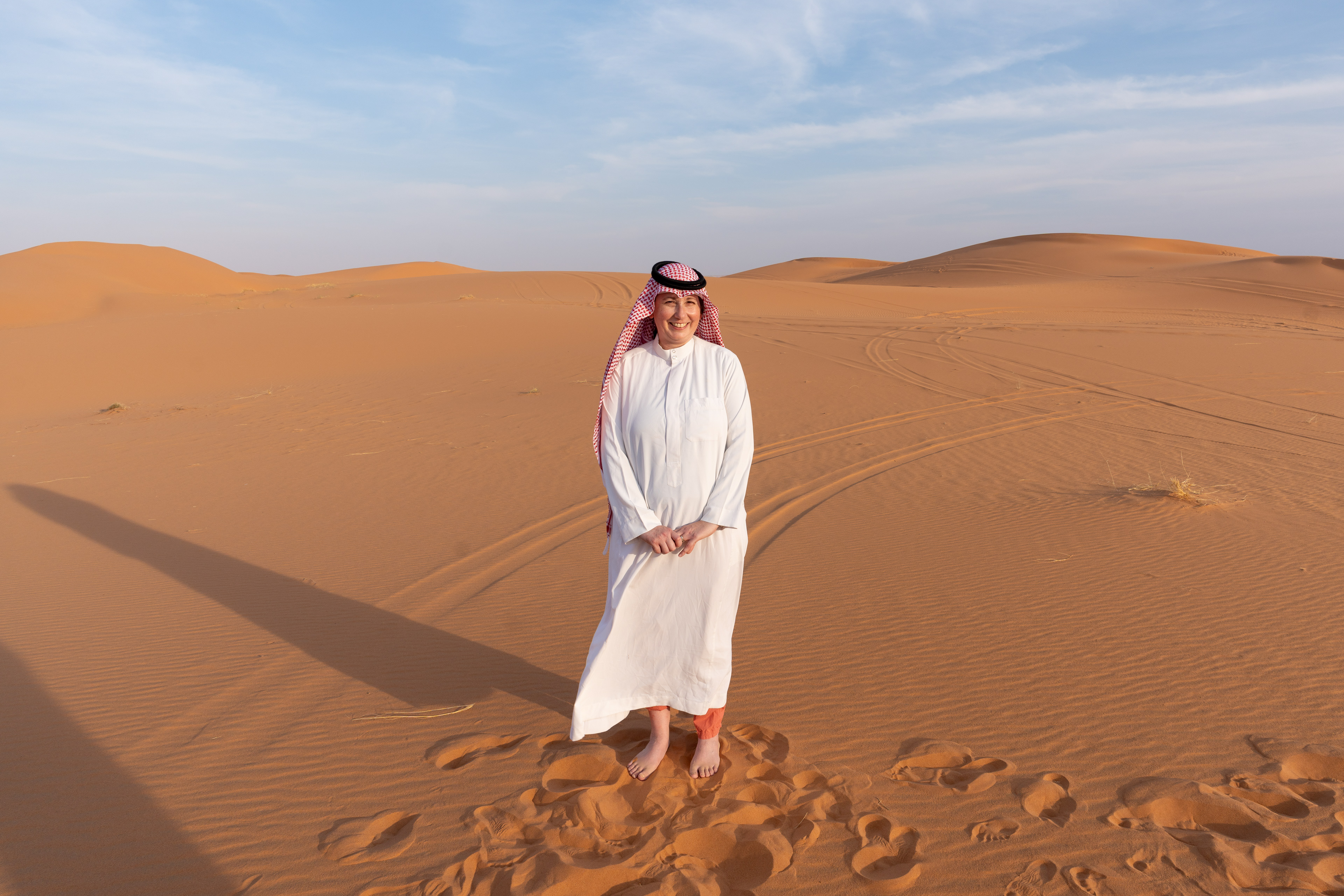
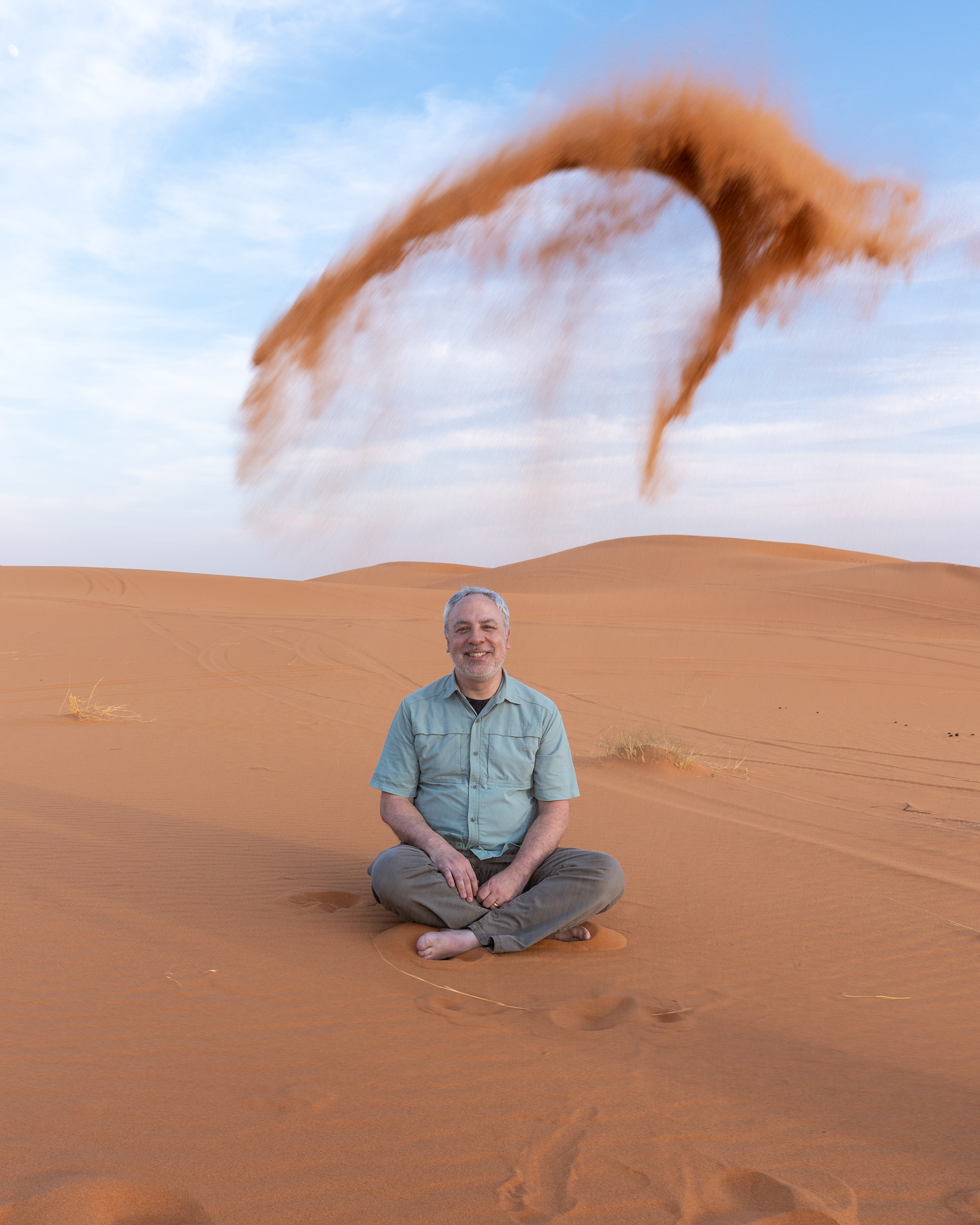
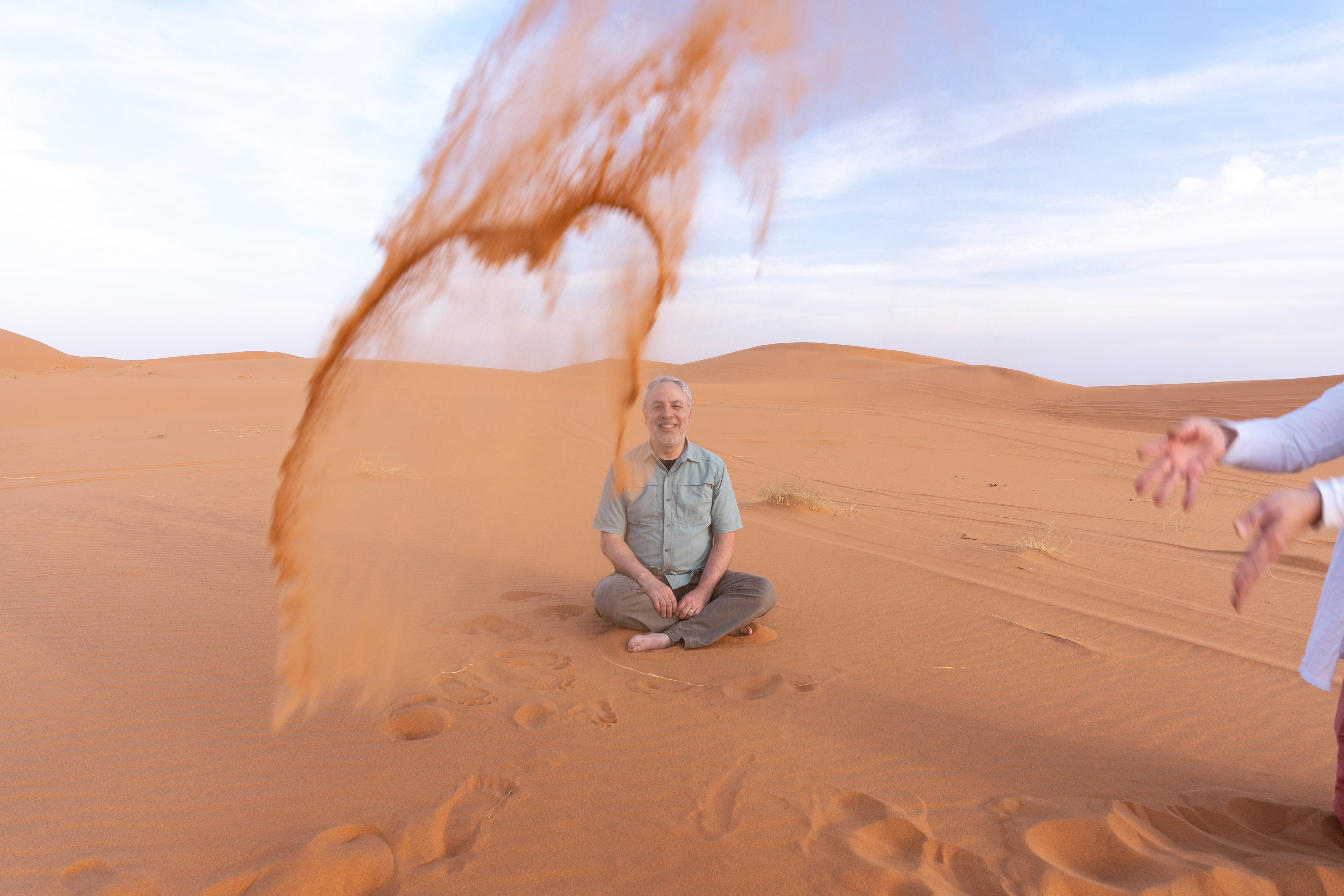
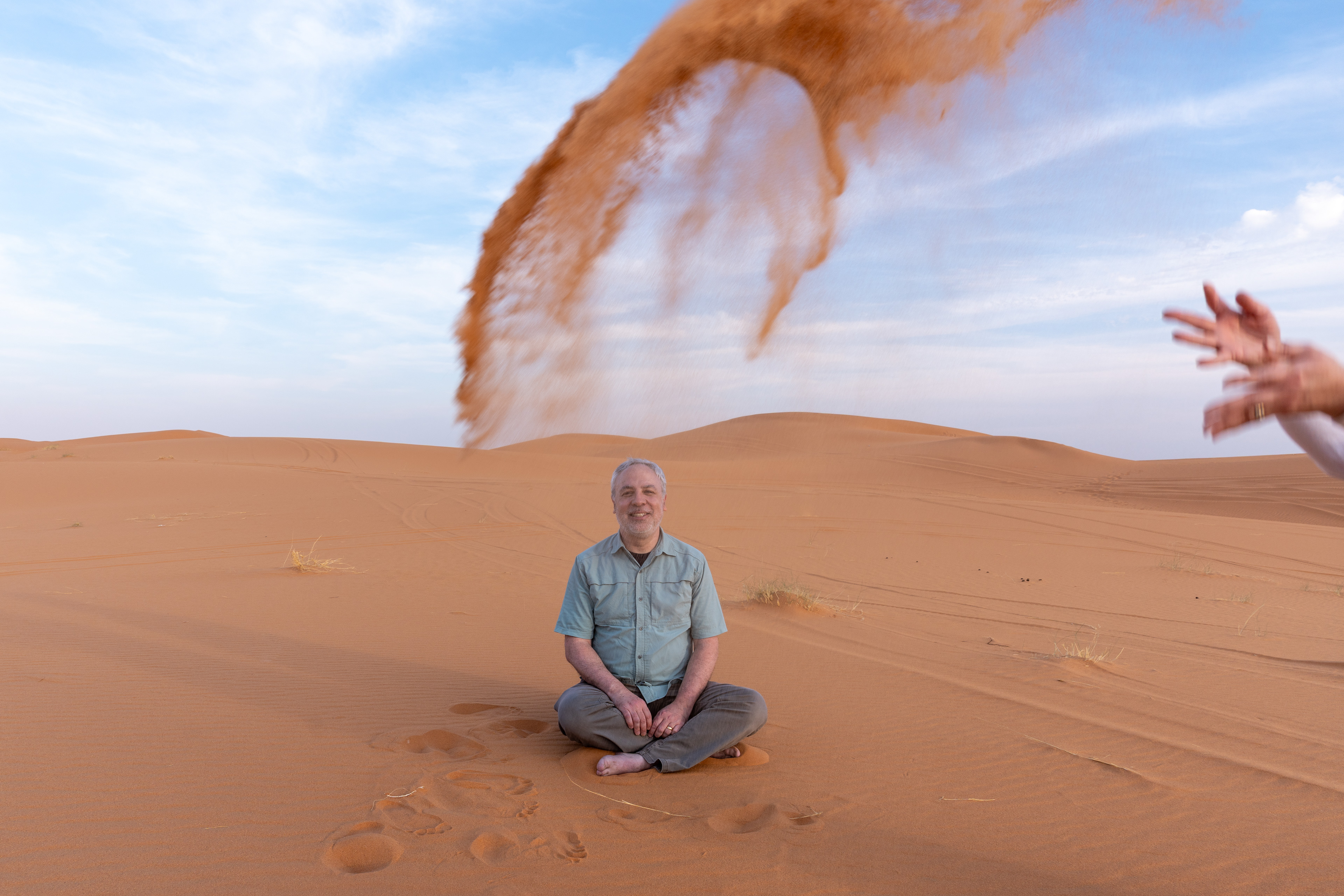
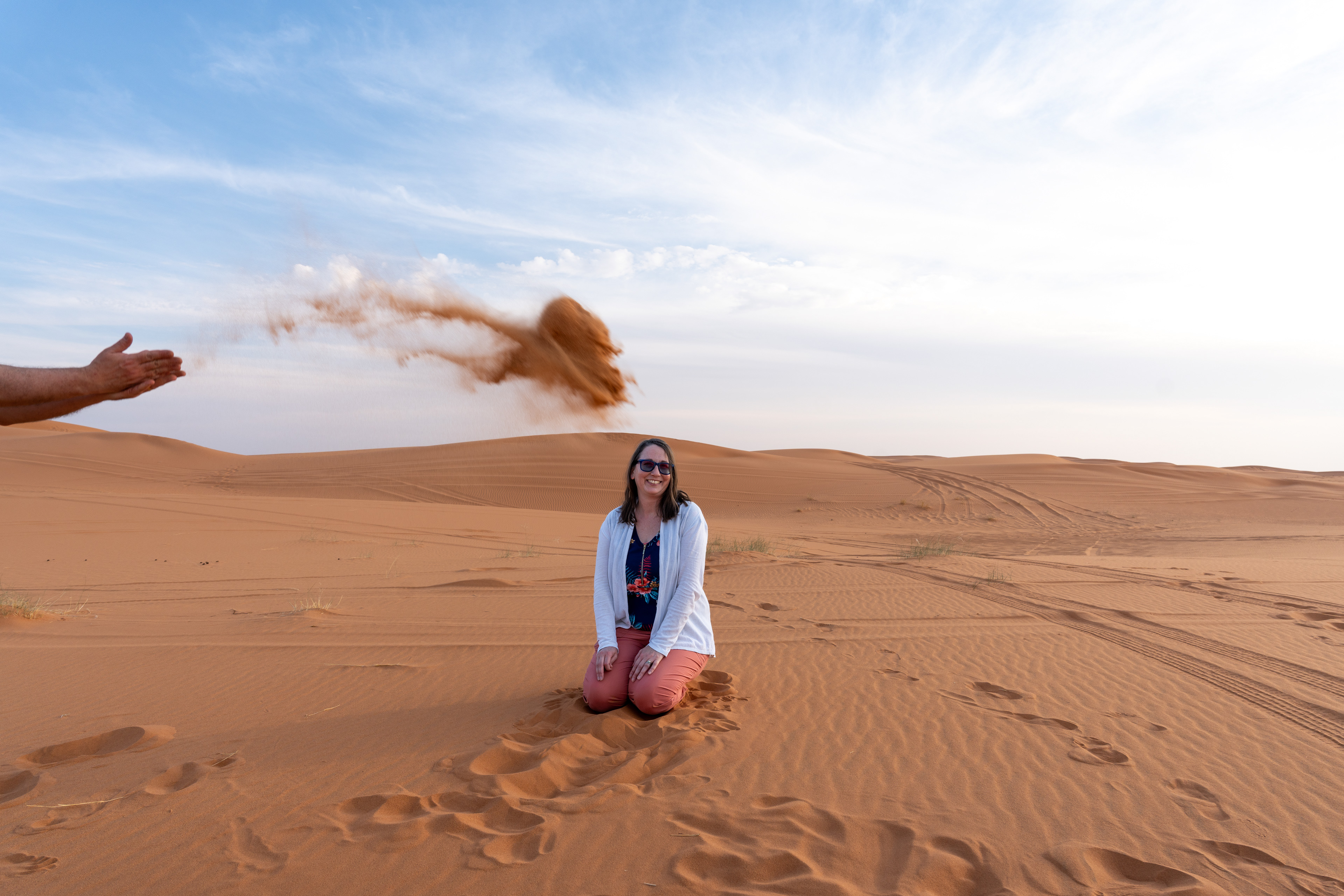
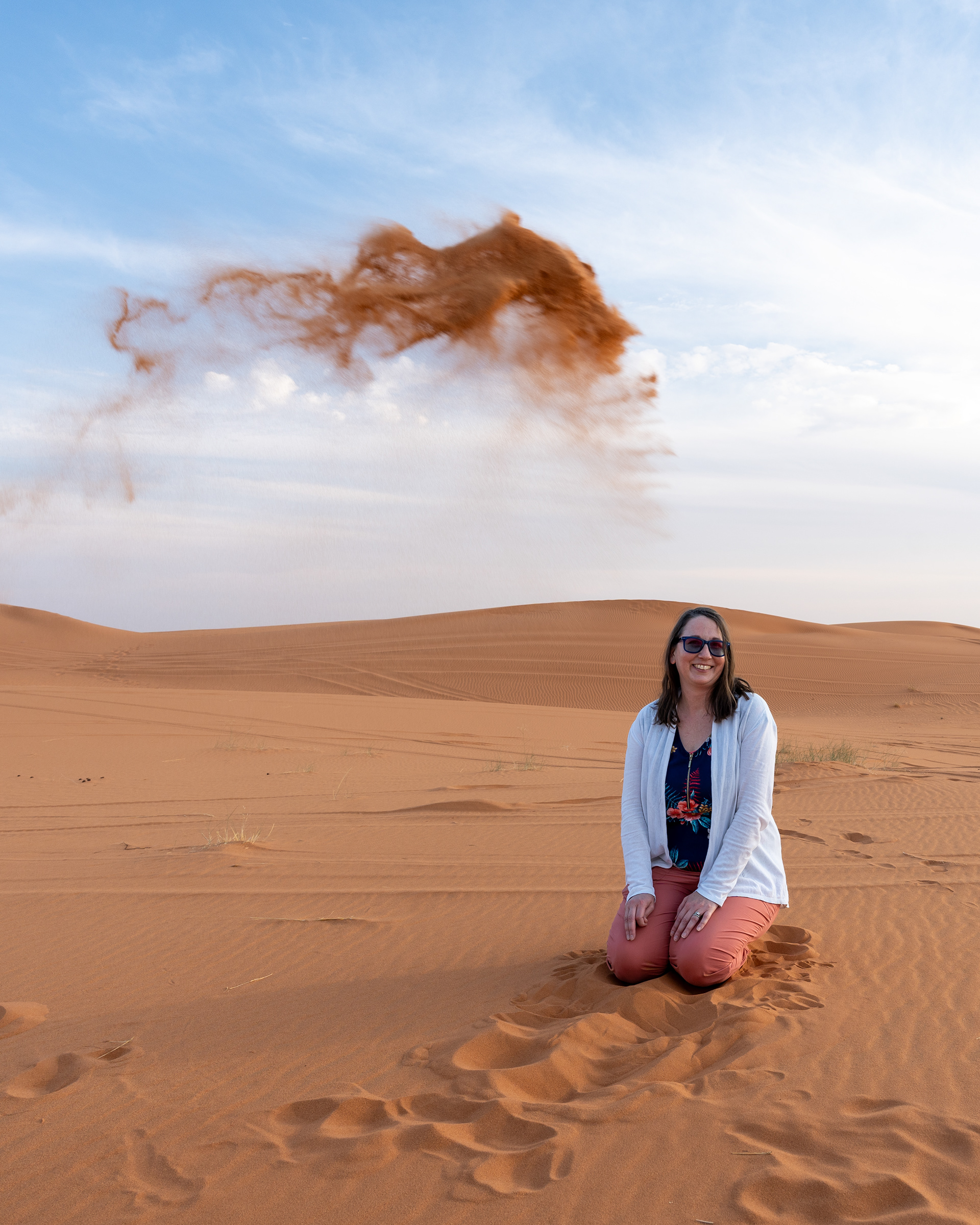
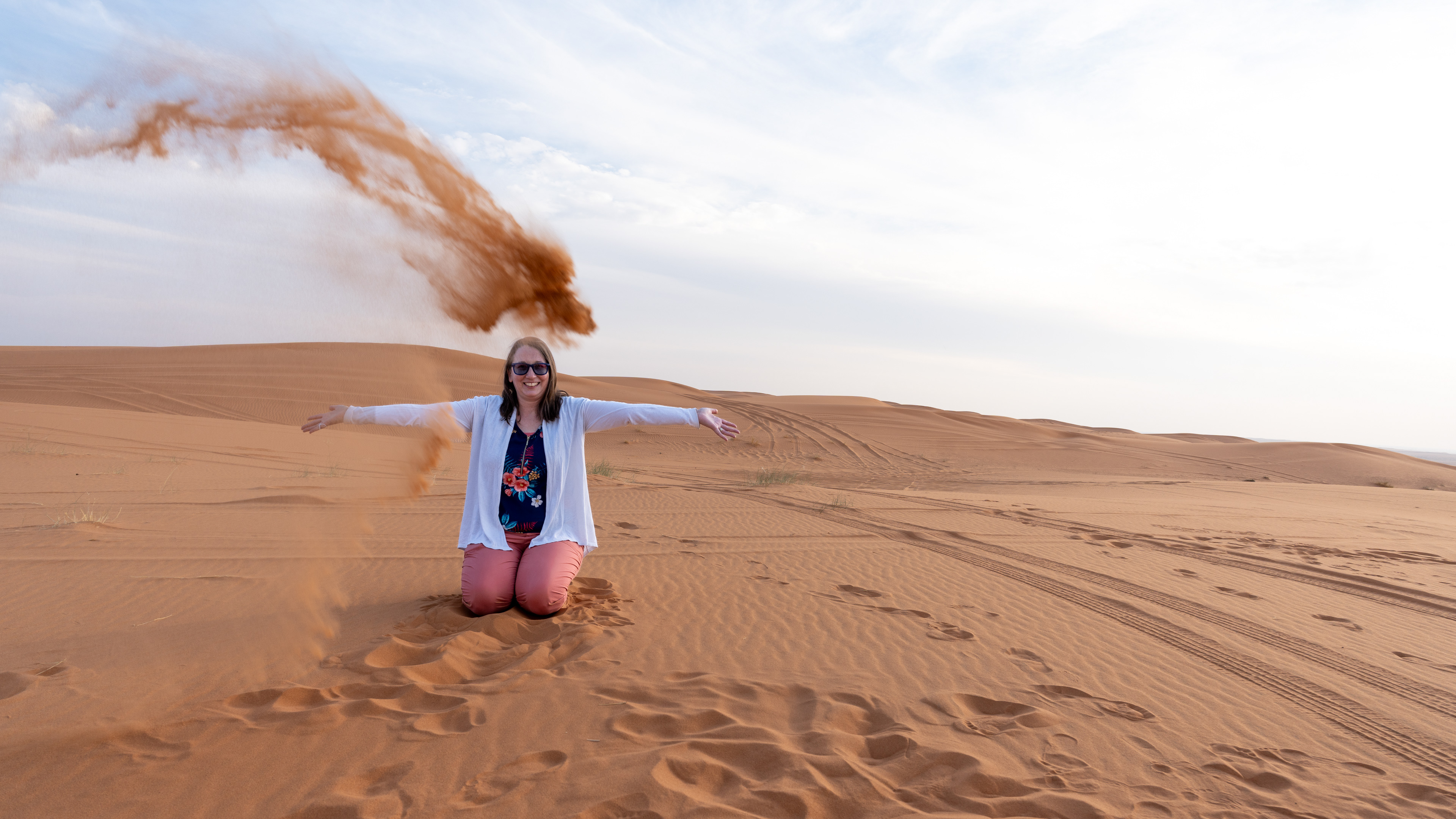
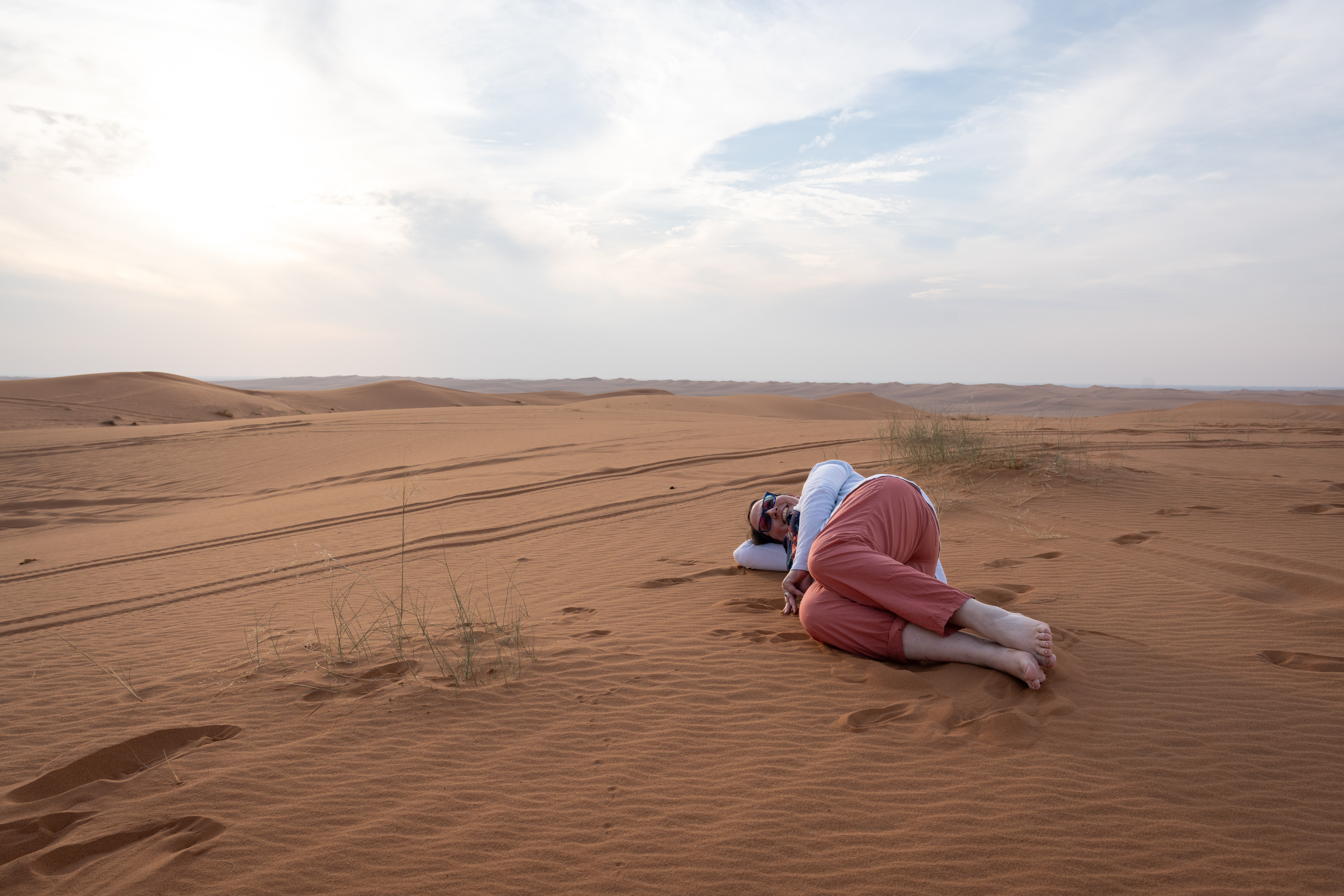
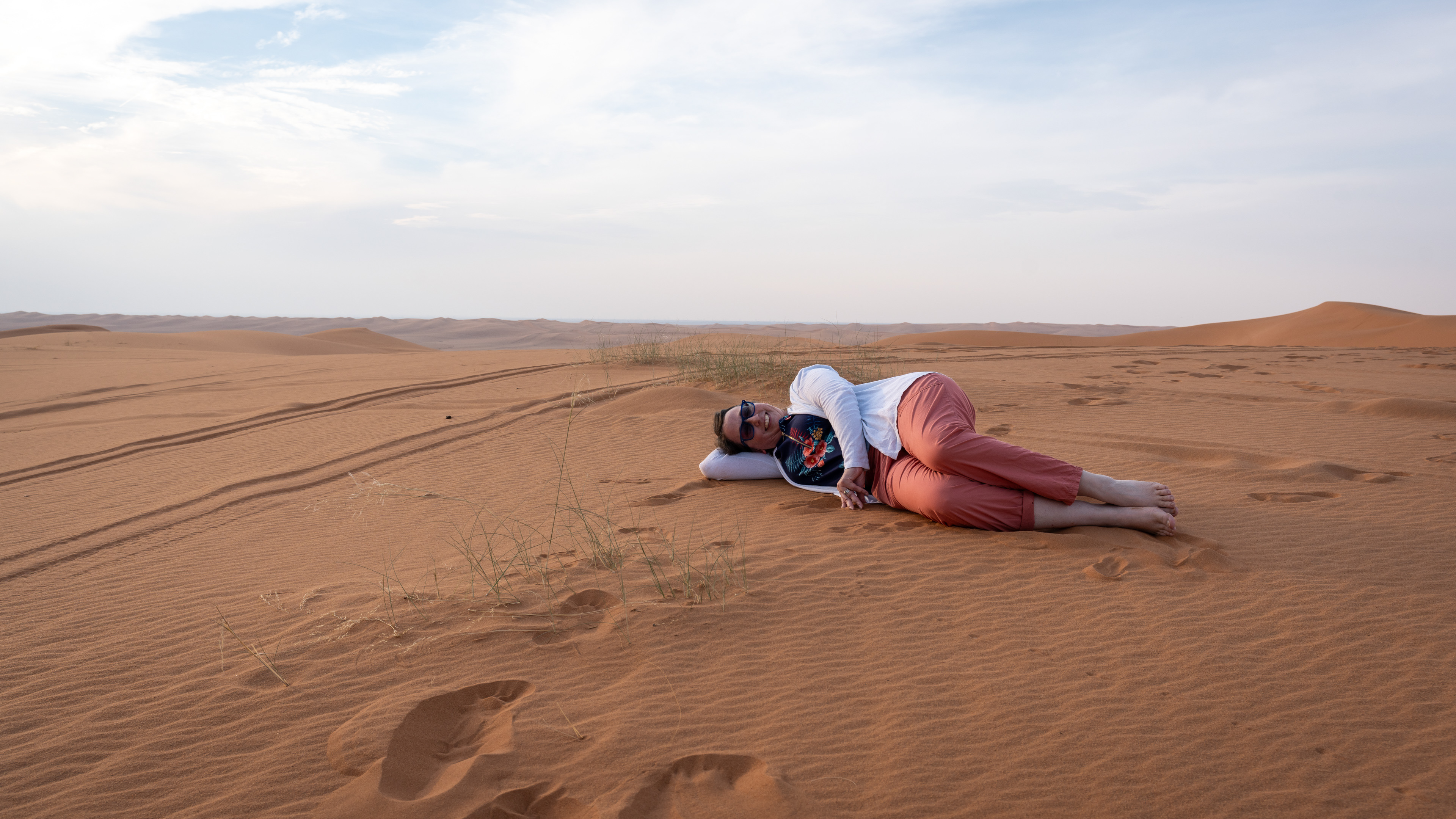
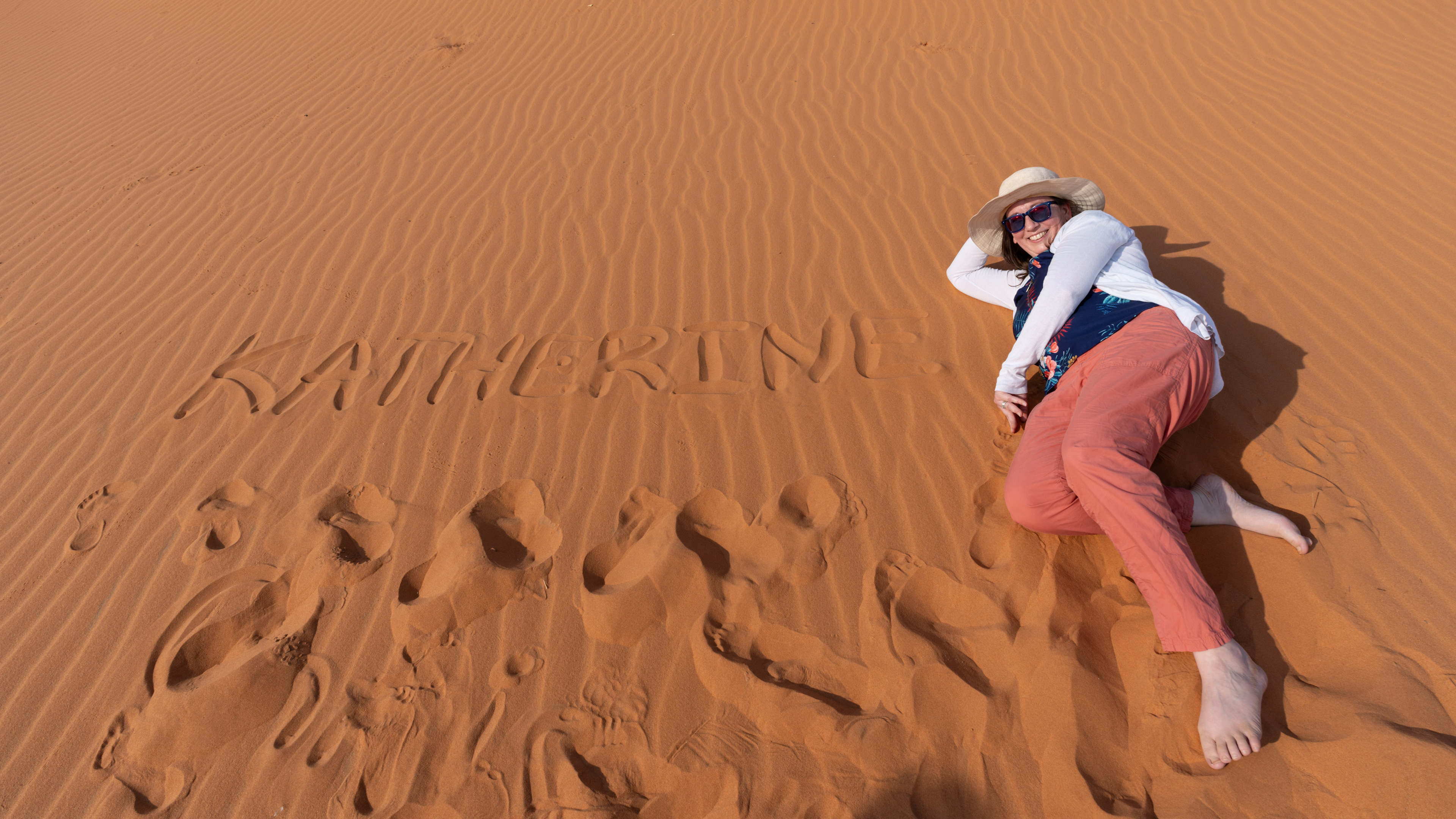
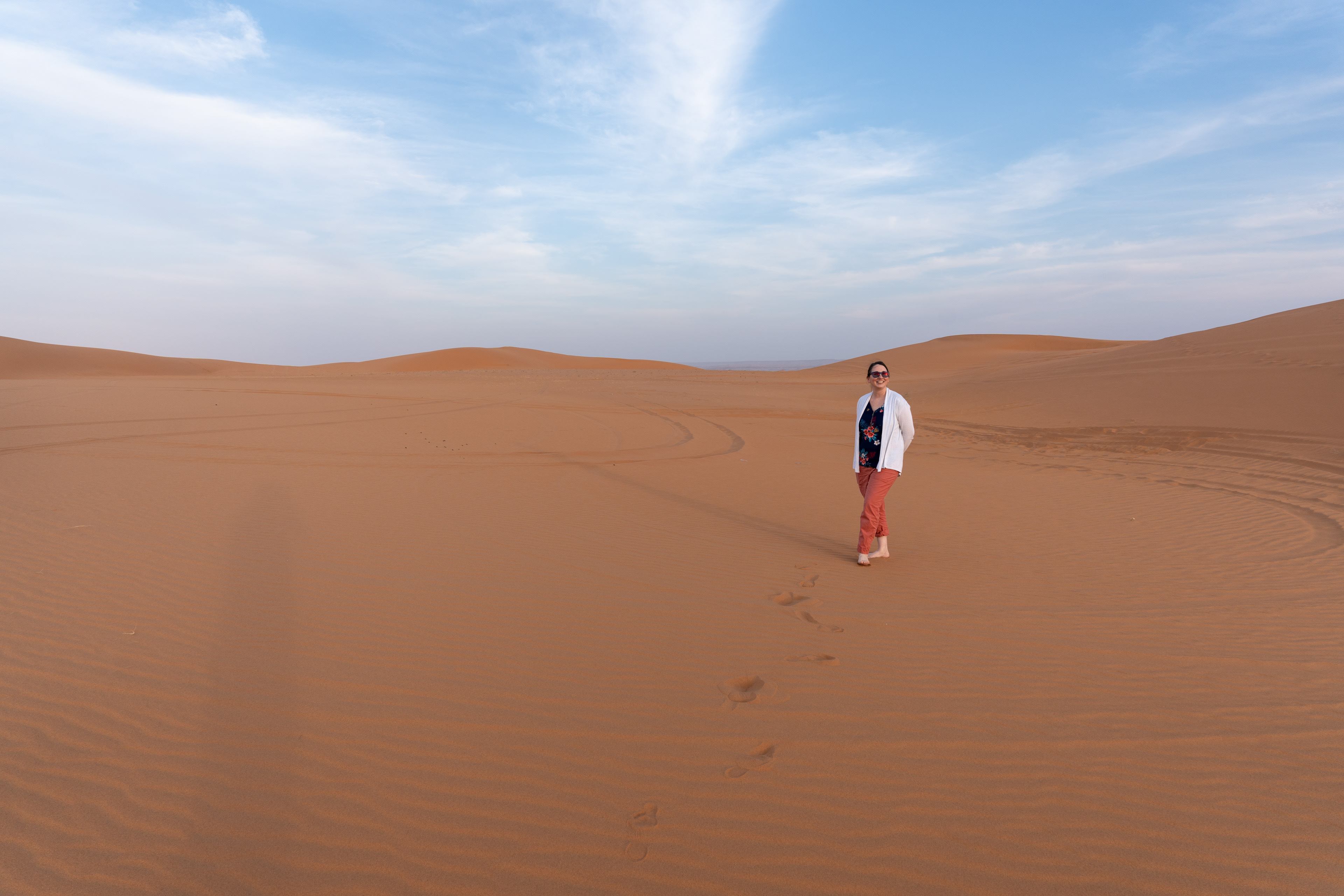
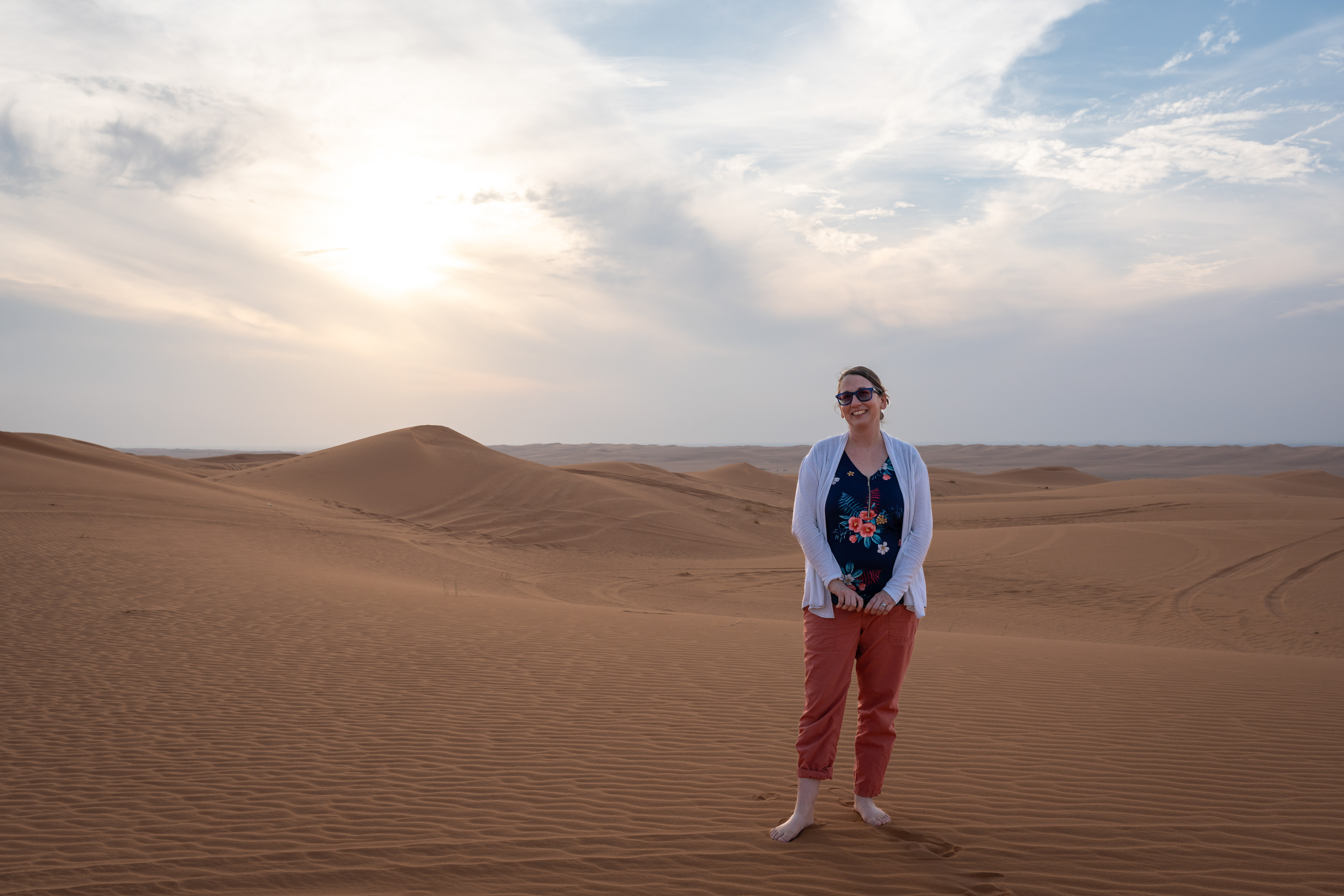
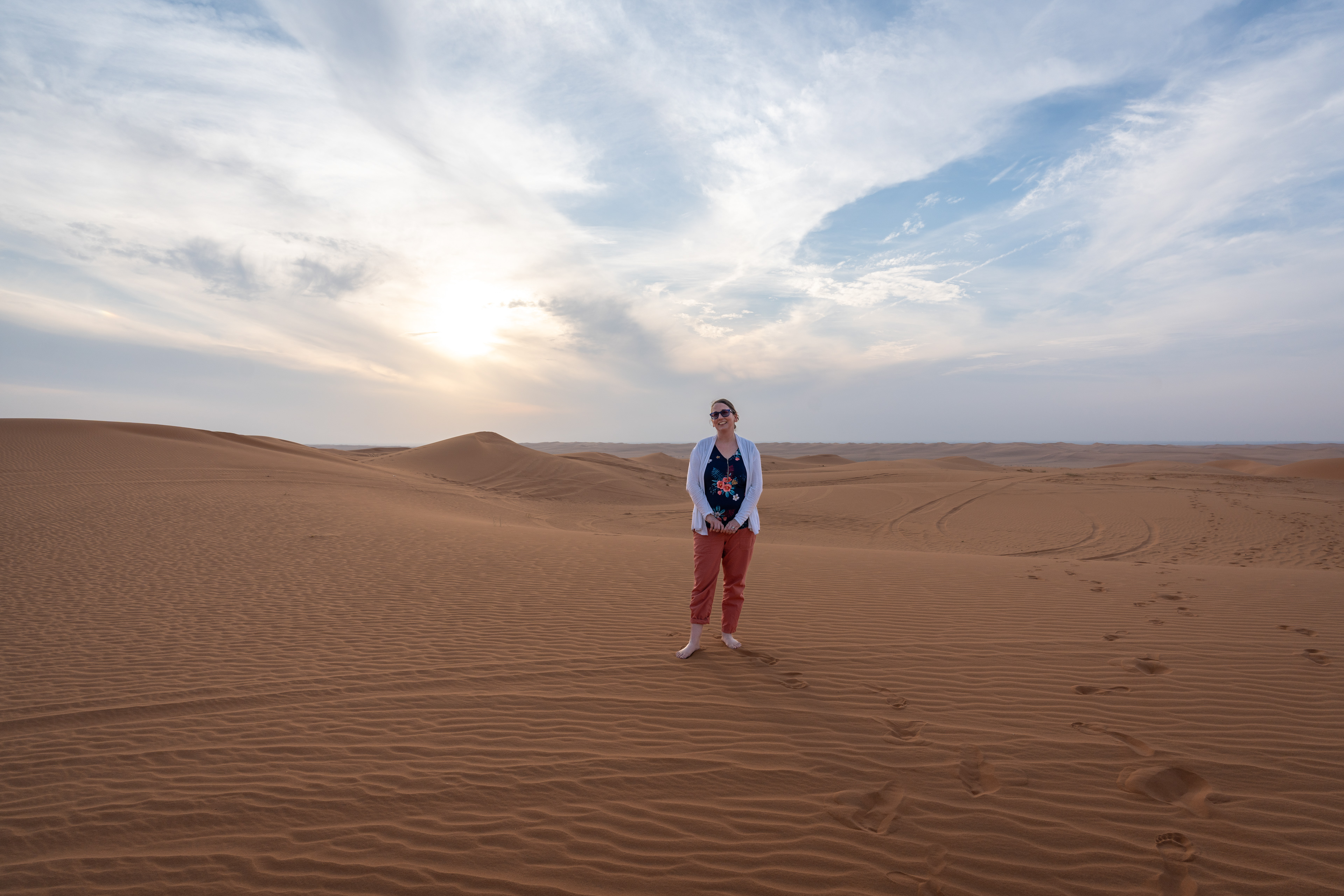
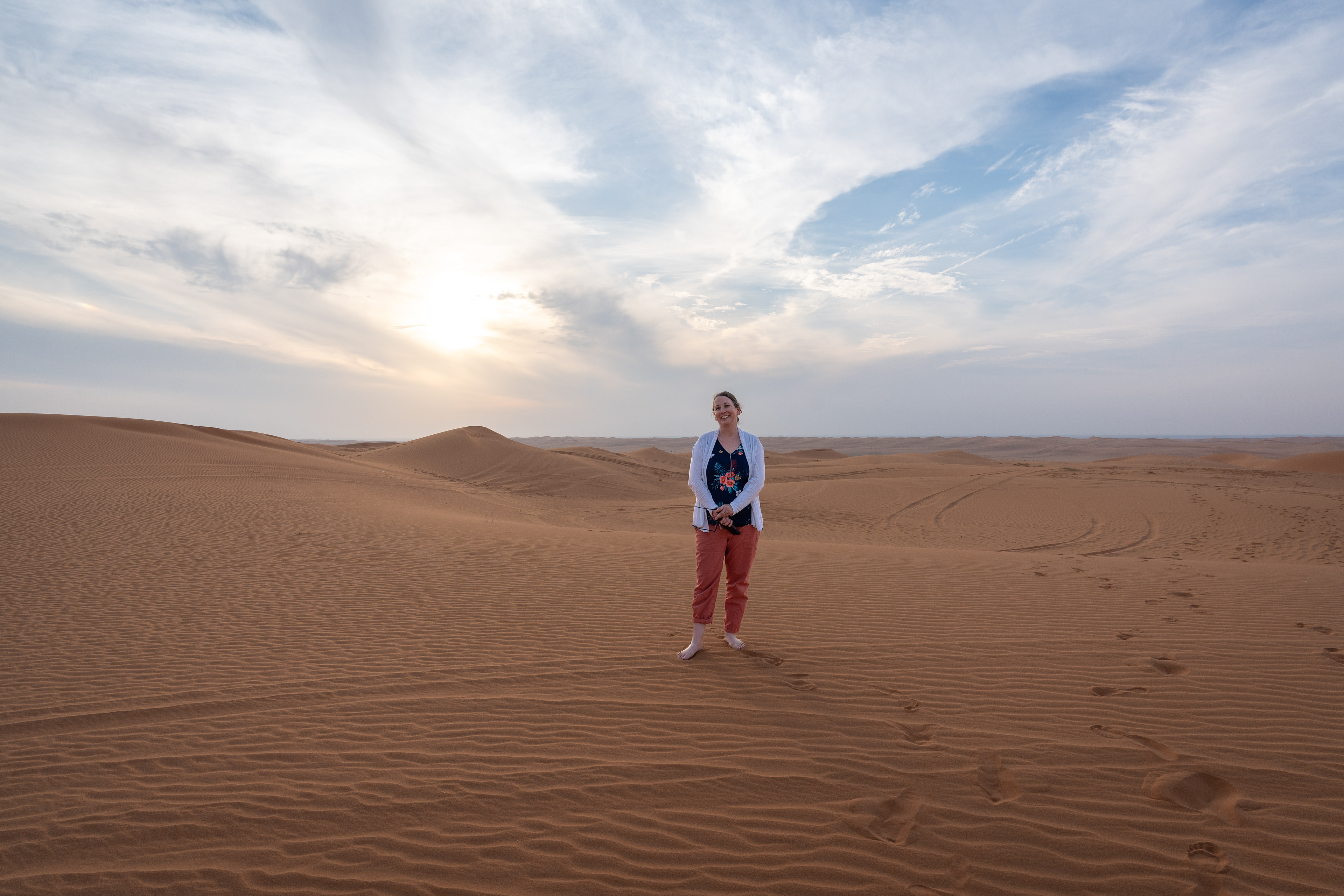
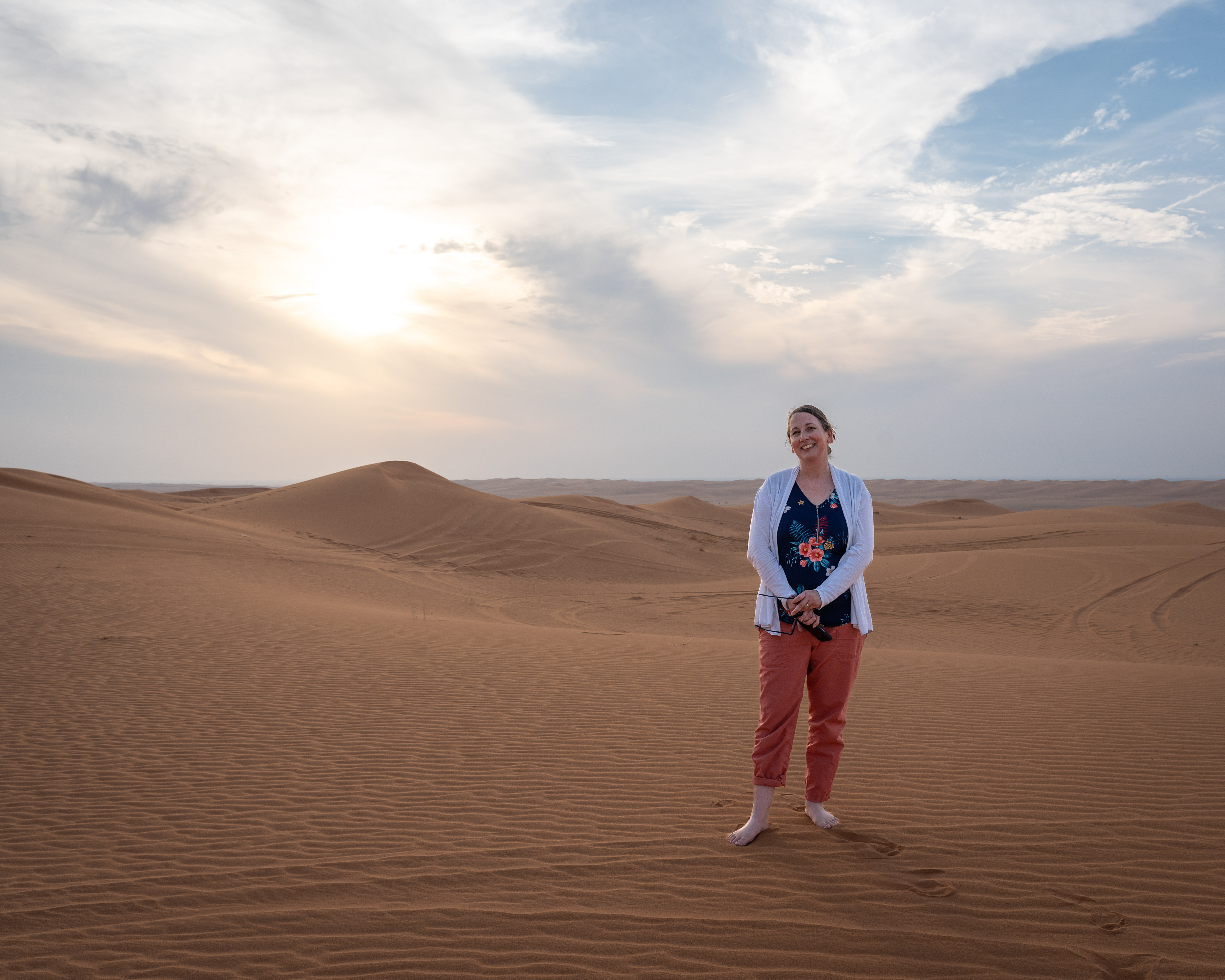
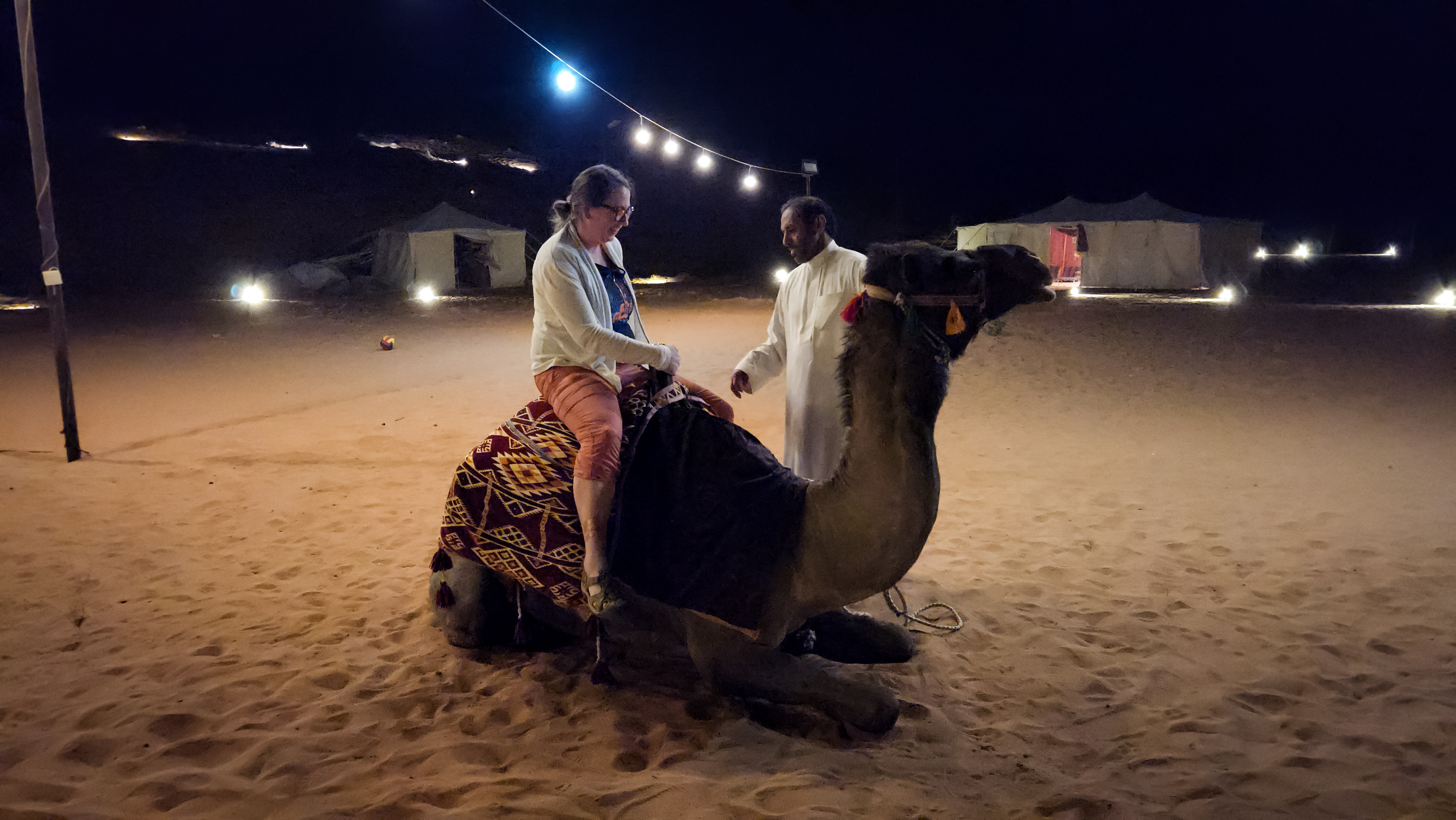
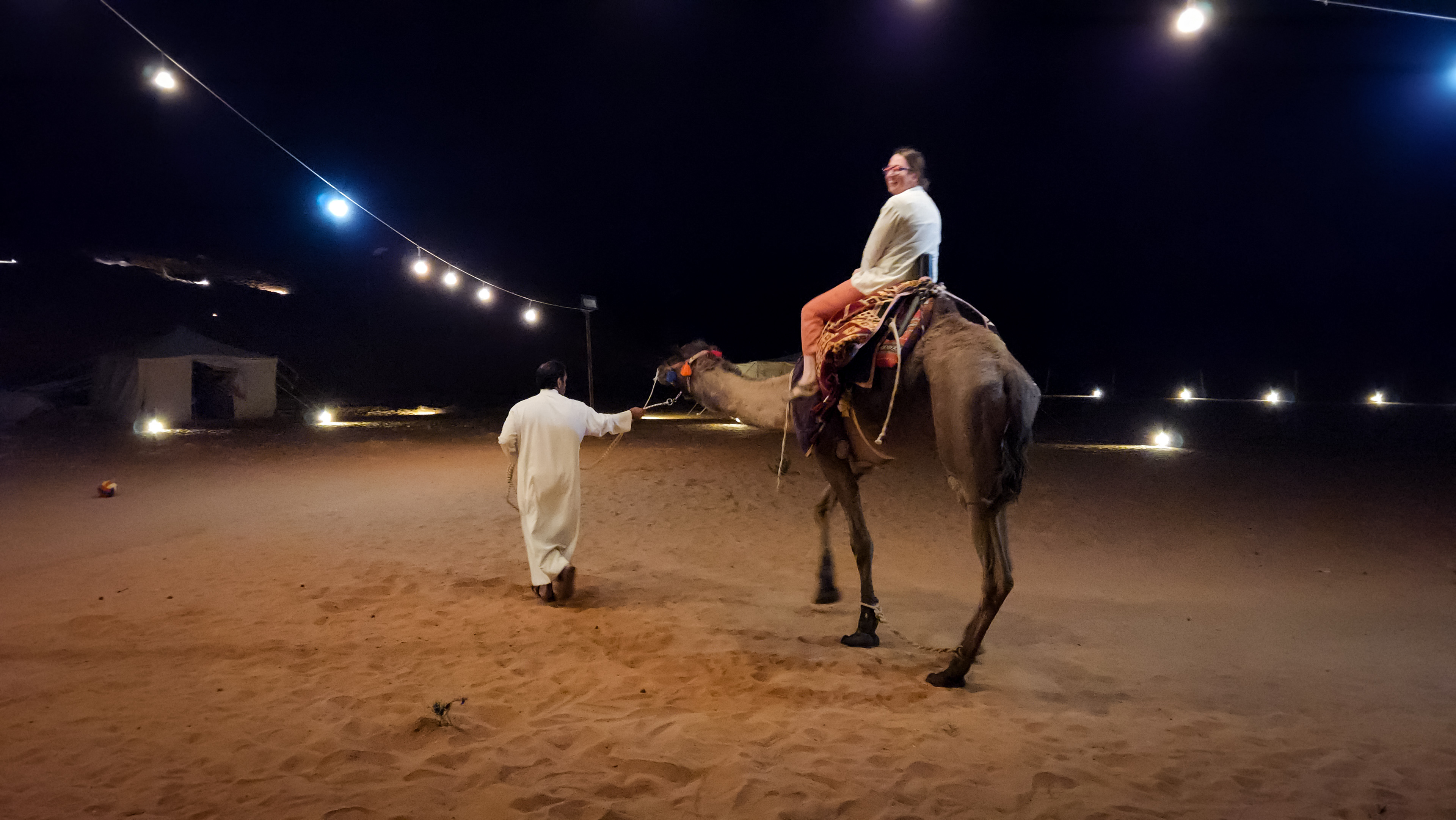
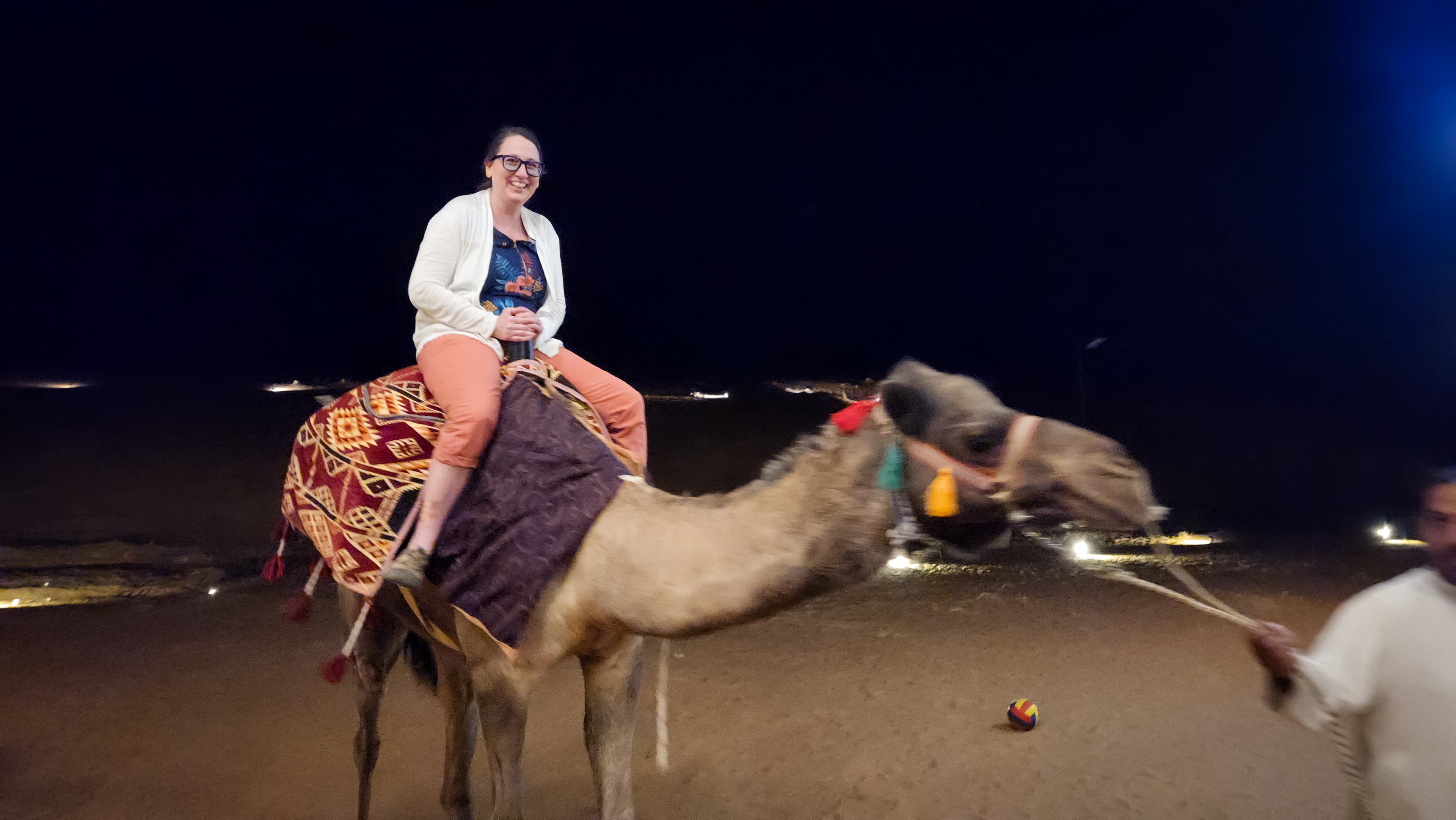
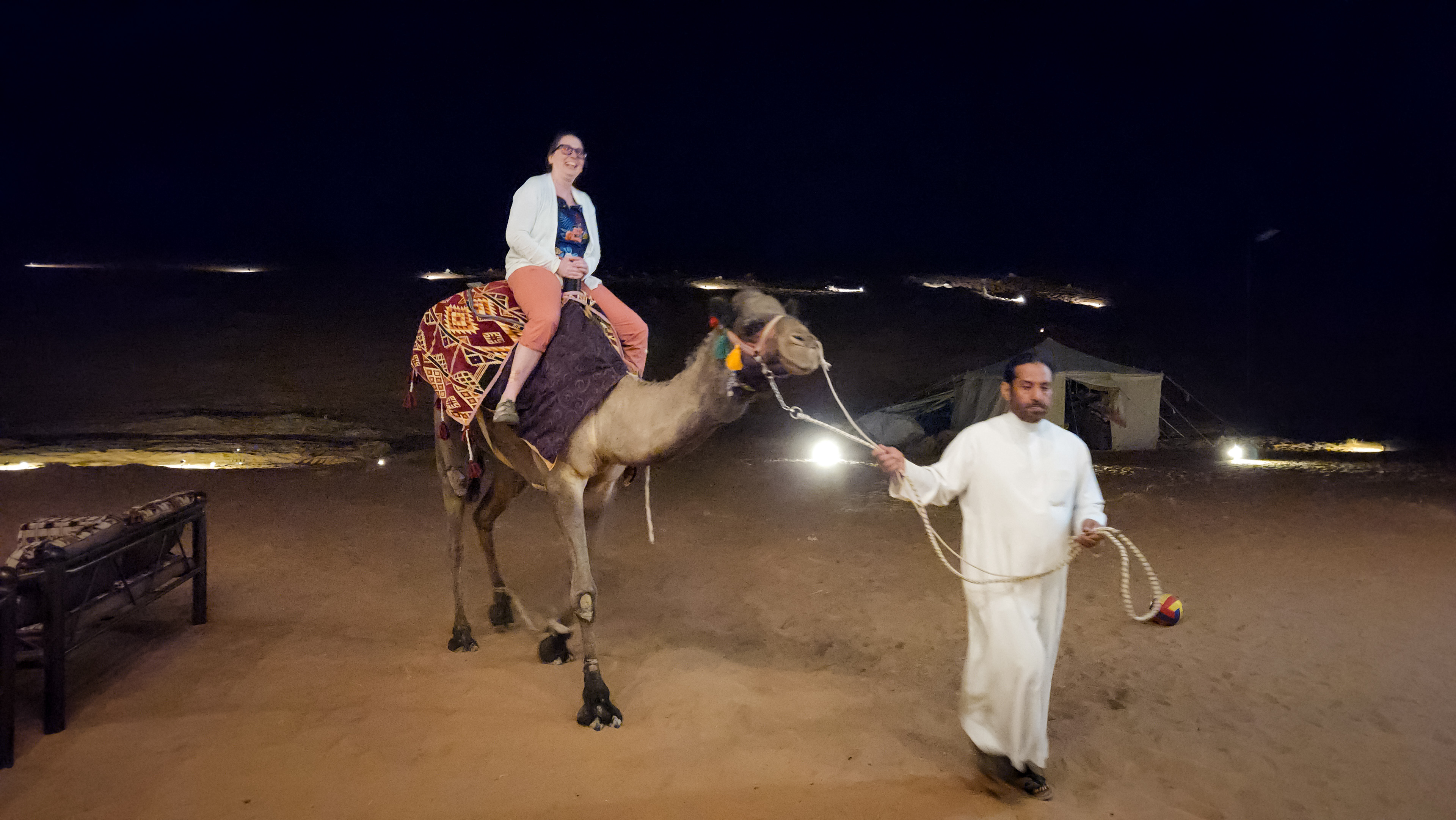
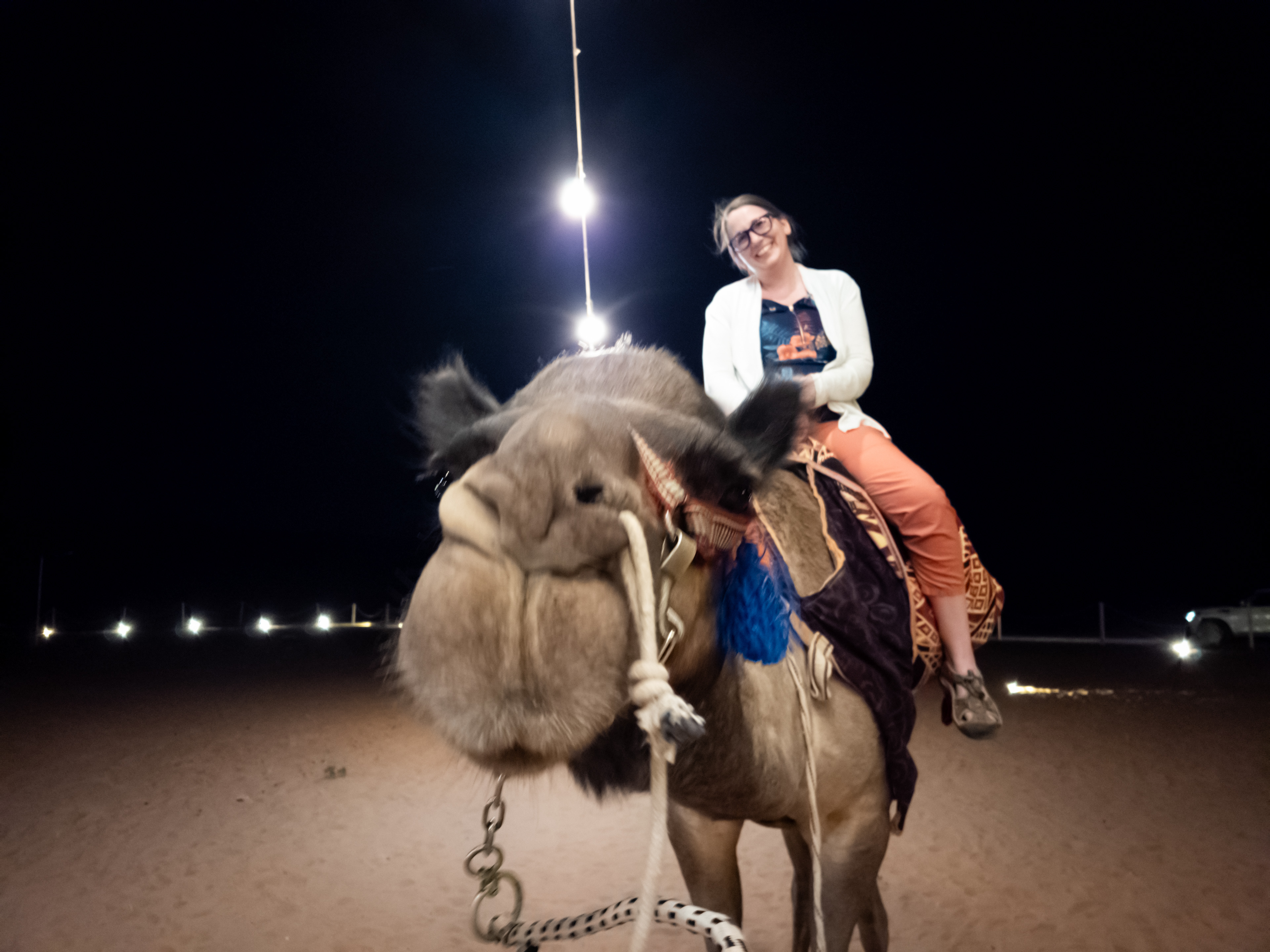
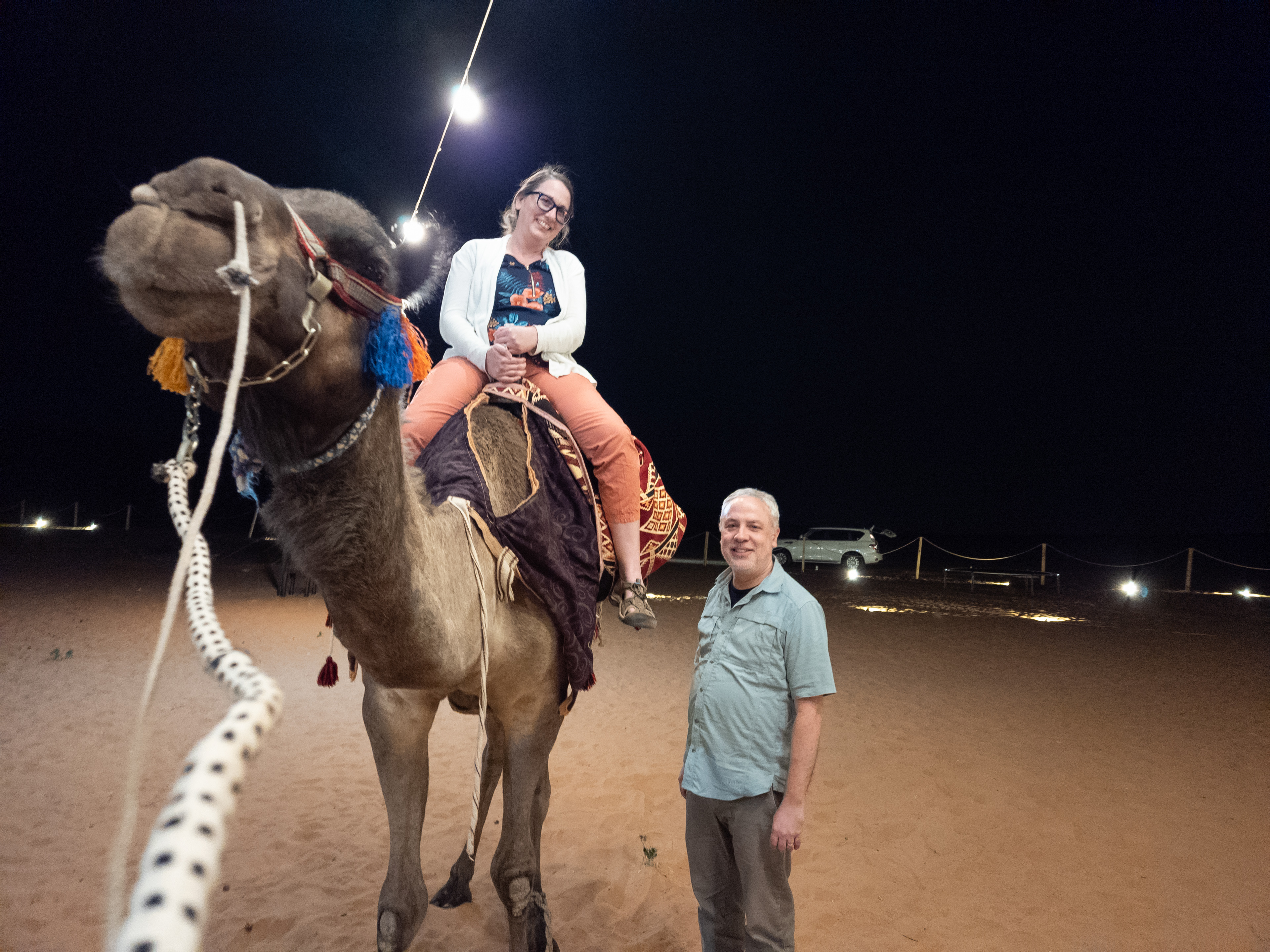
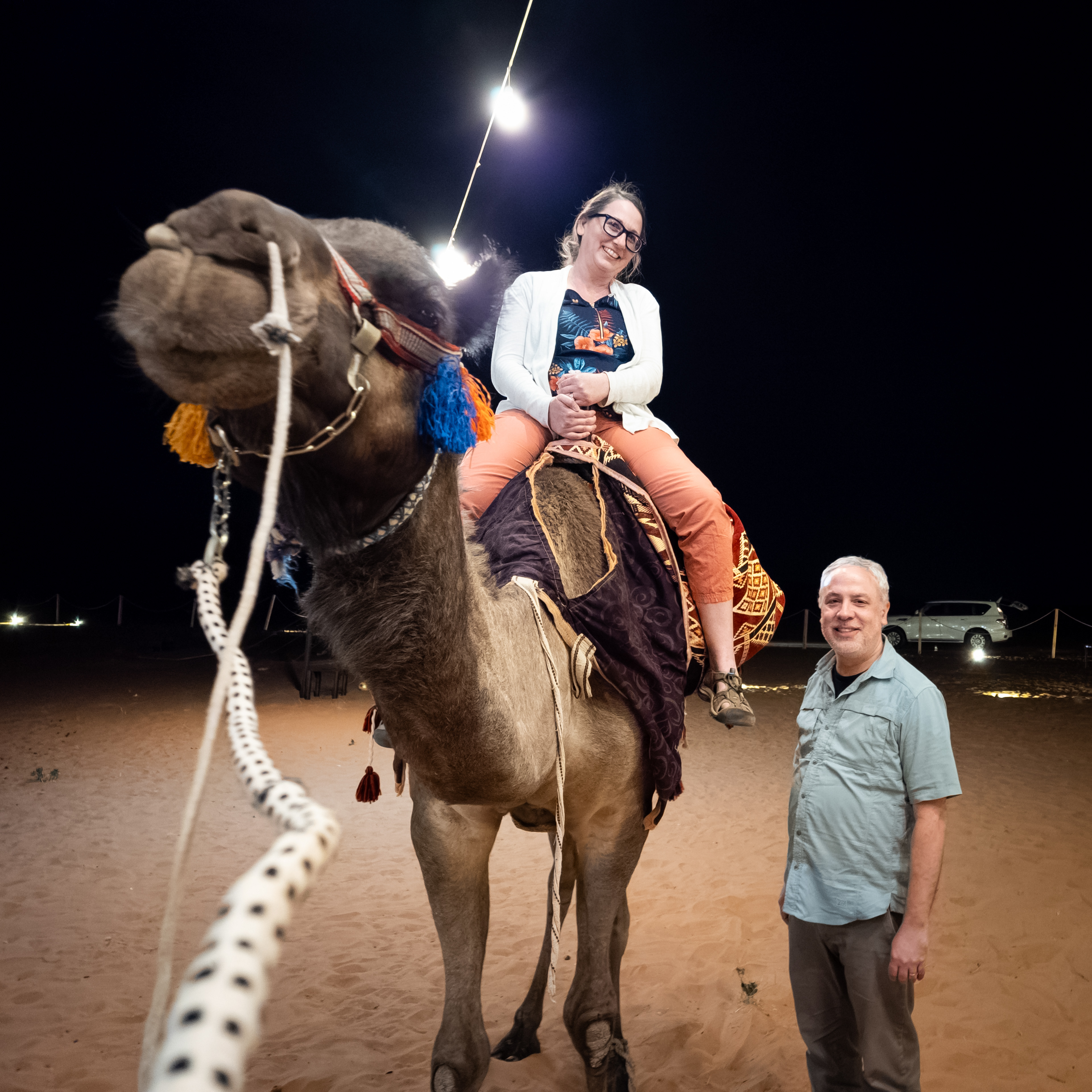
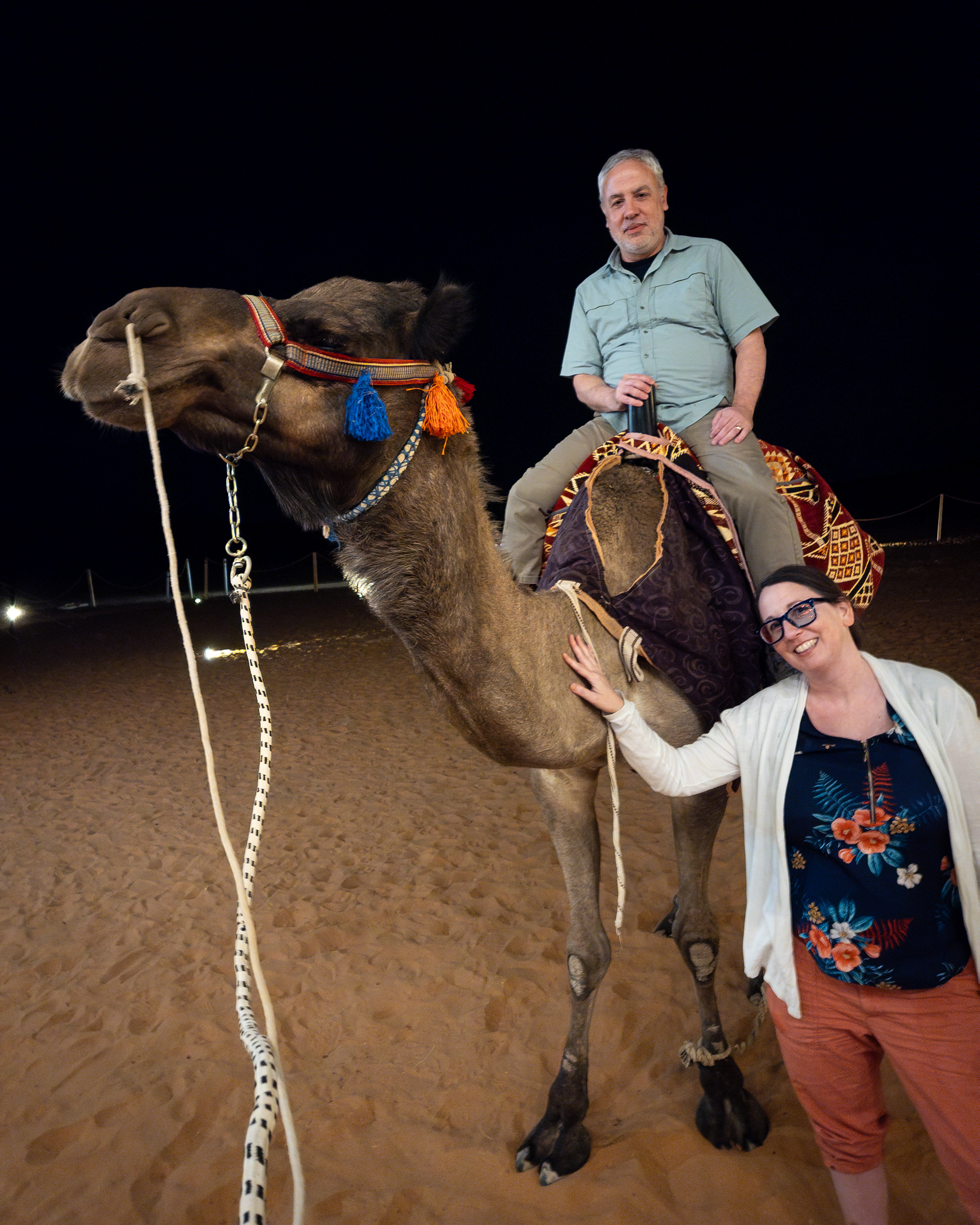
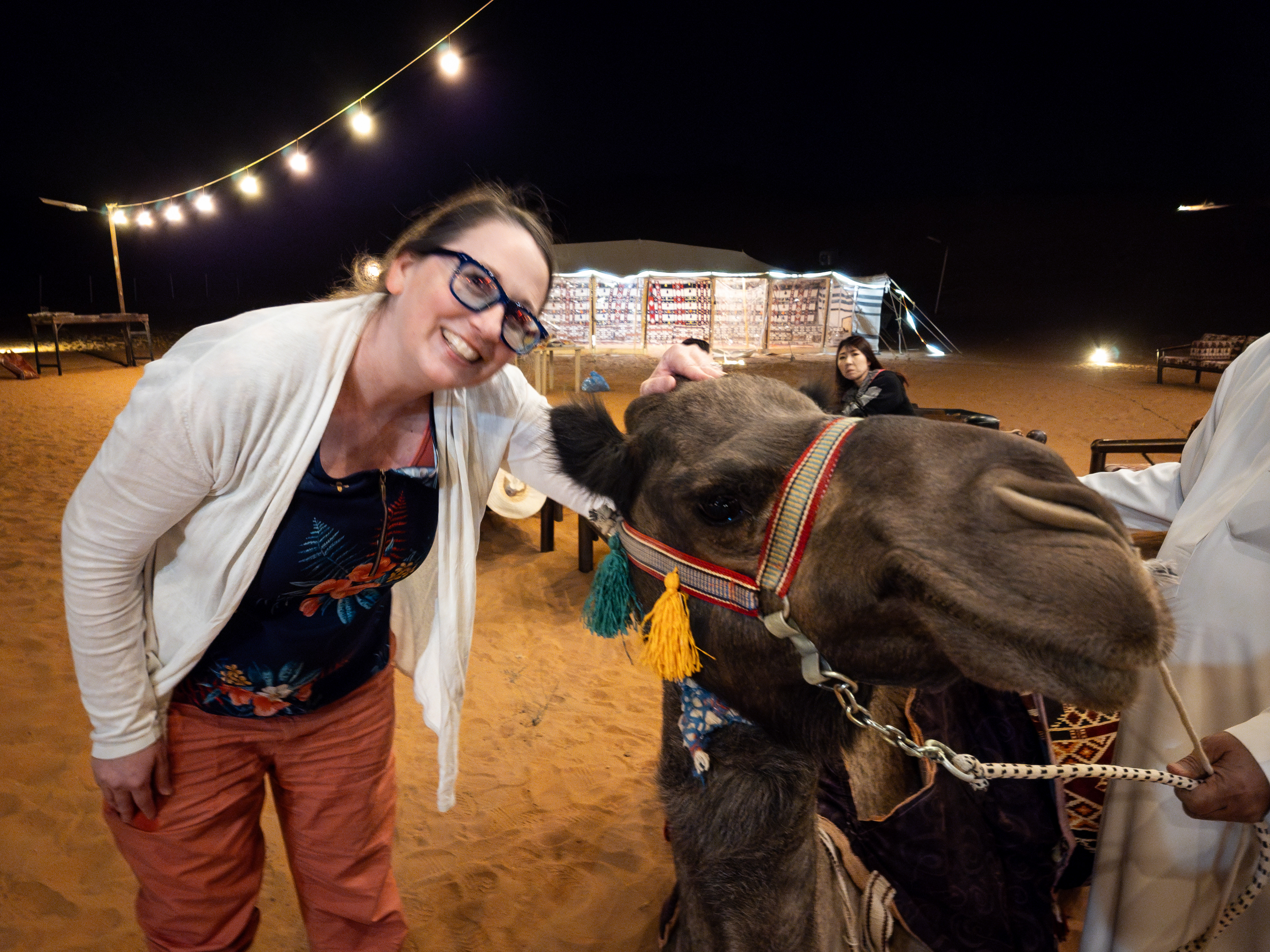
Red Sands Desert
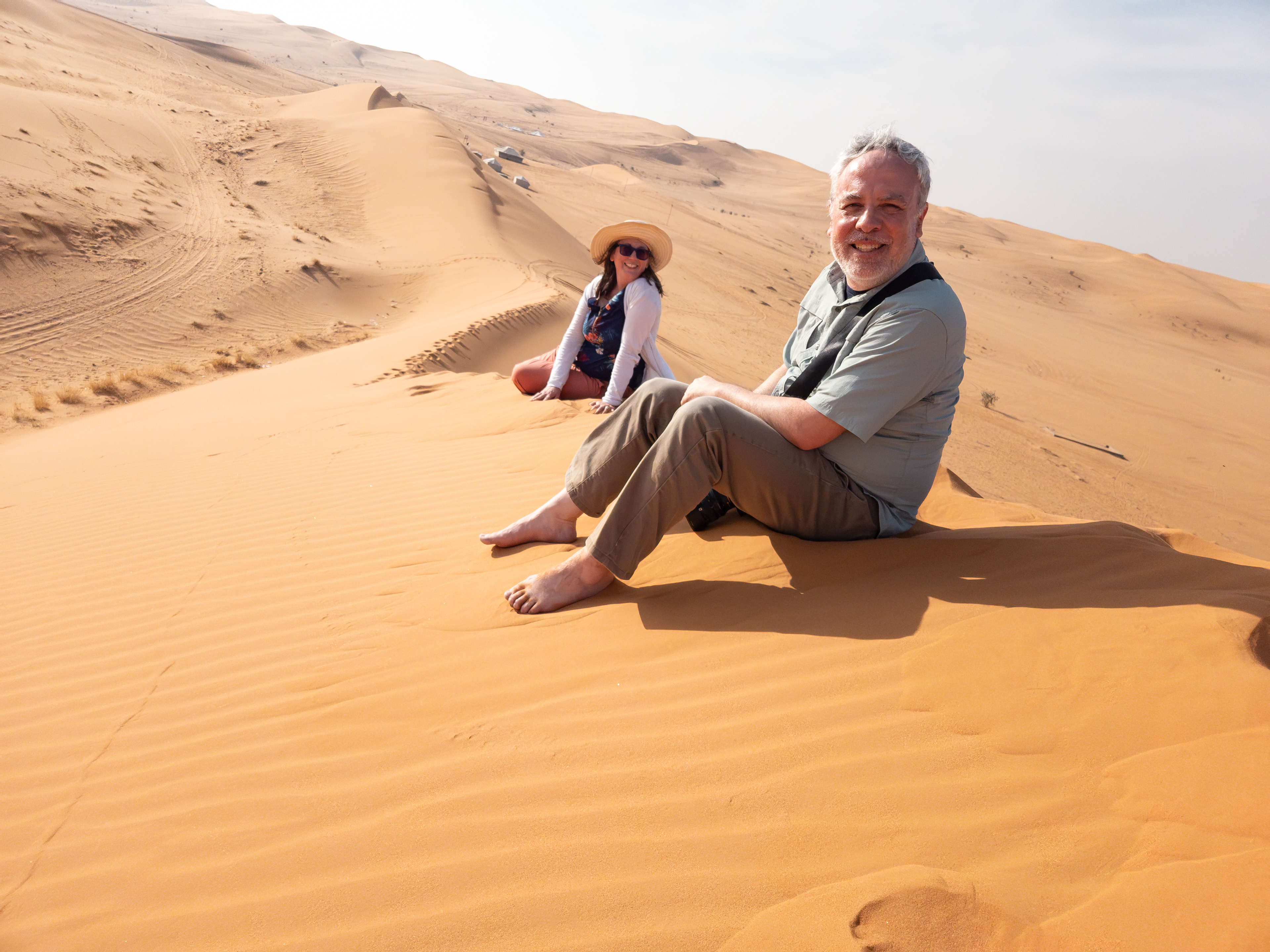
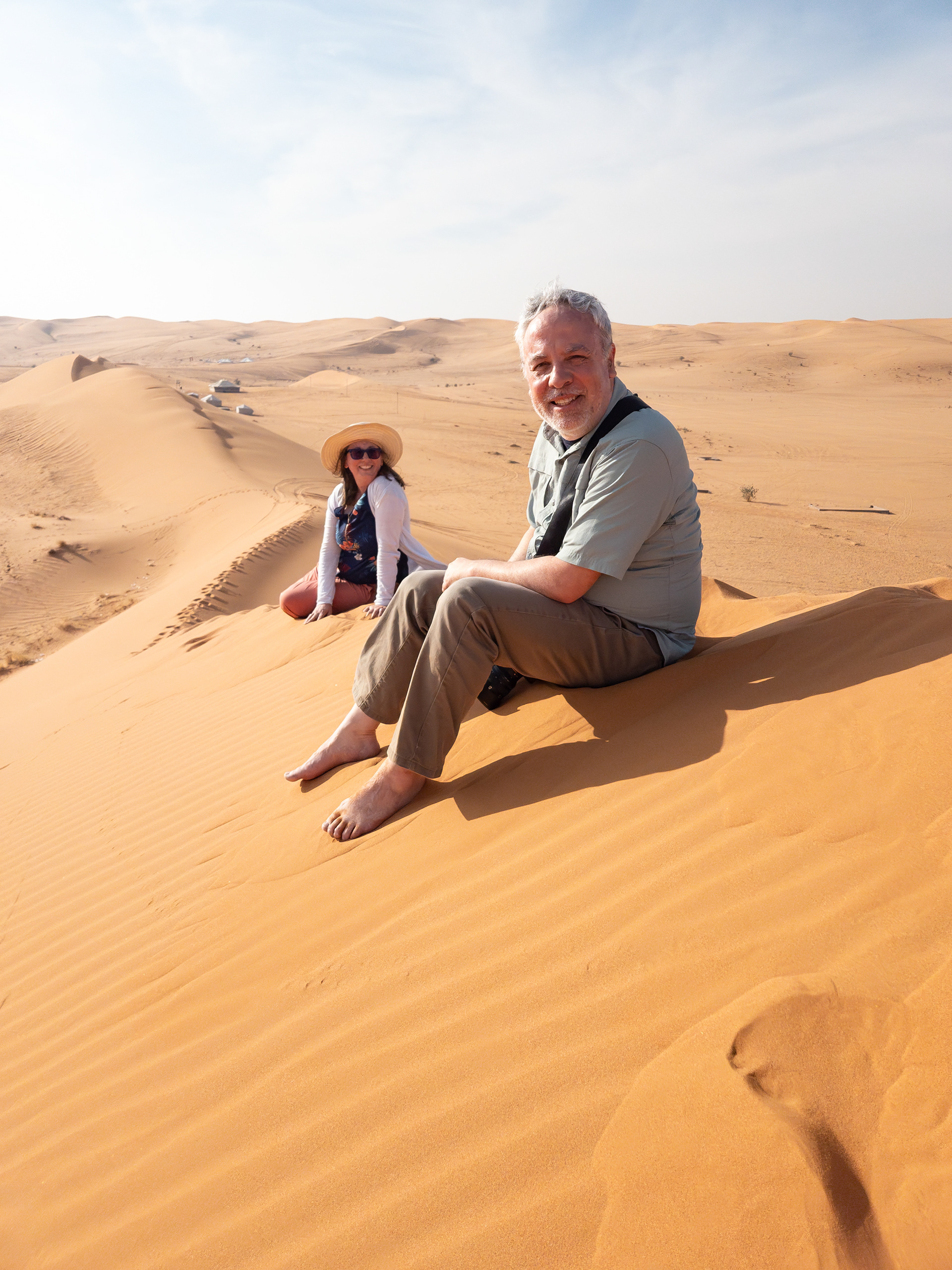
The Red Sands (Al-Dahna Desert) near Riyadh, located about 50-80 km northeast of the city, are ancient, iron-oxide-rich sand dunes sculpted over hundreds of years by wind. Historically, these dunes served as a navigational landmark for Bedouin tribes and represent a significant part of the Najd region’s natural geography, now acting as a, popular recreational area.
(Be sure not to miss the videos!)
(Be sure not to miss the videos!)
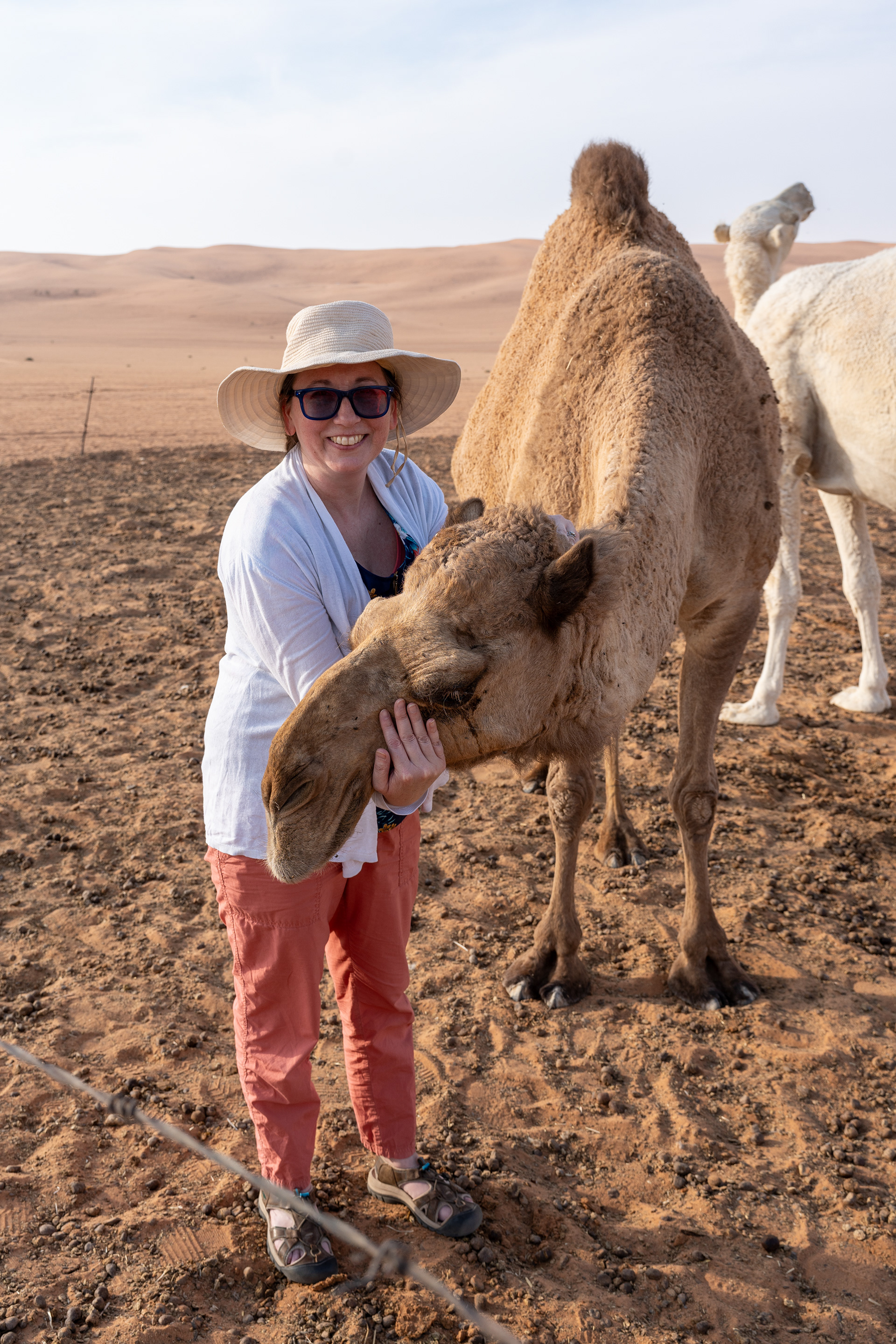
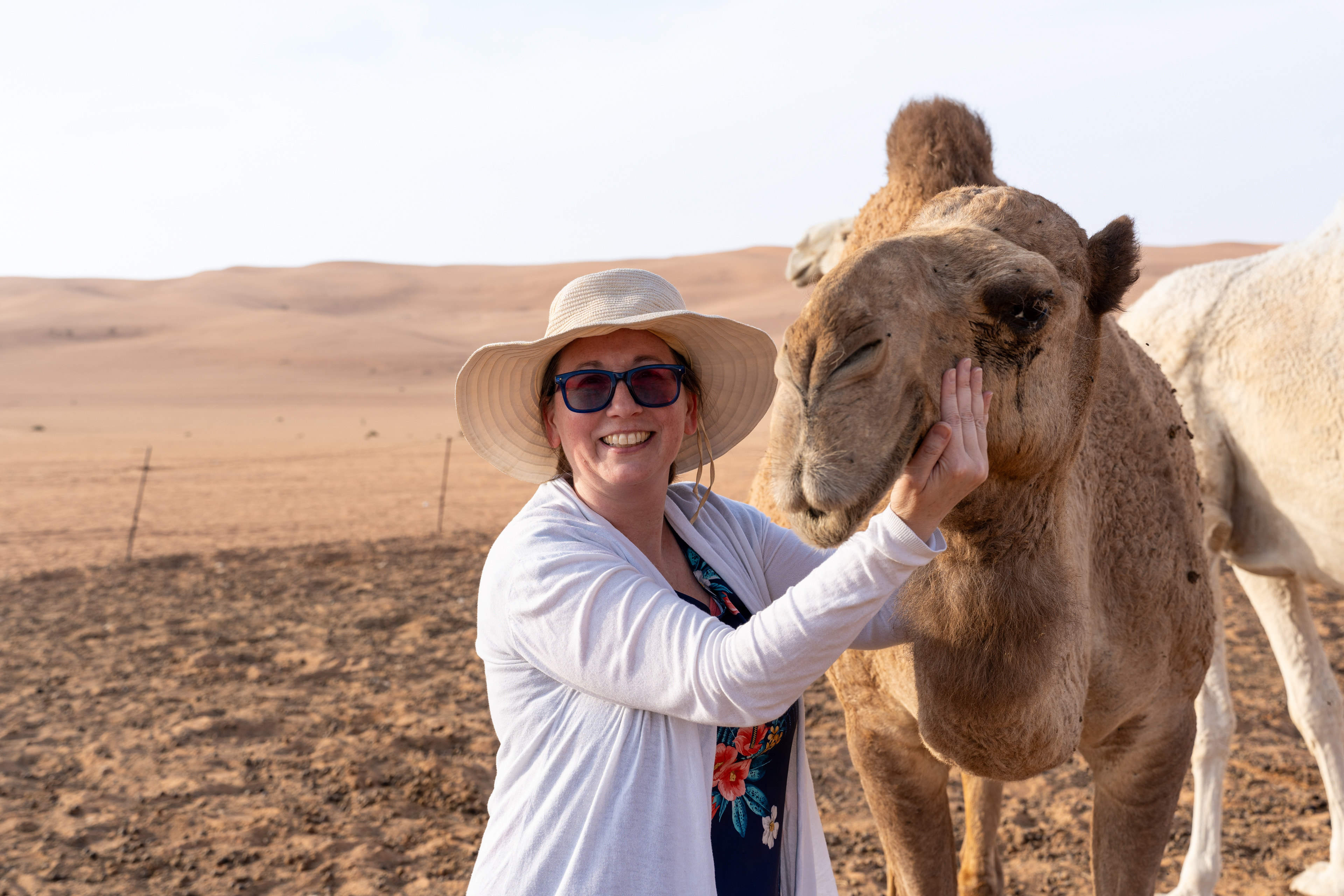
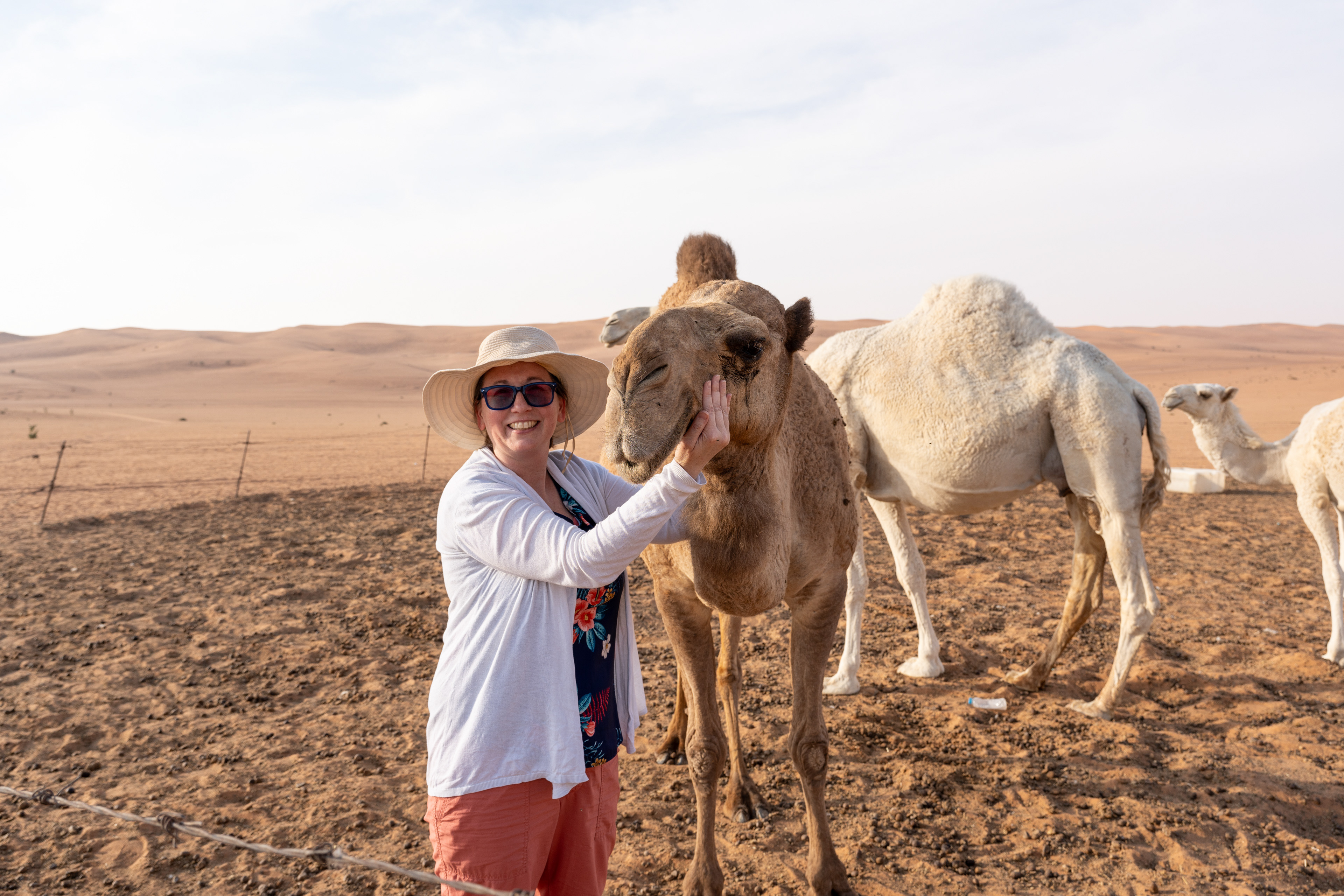
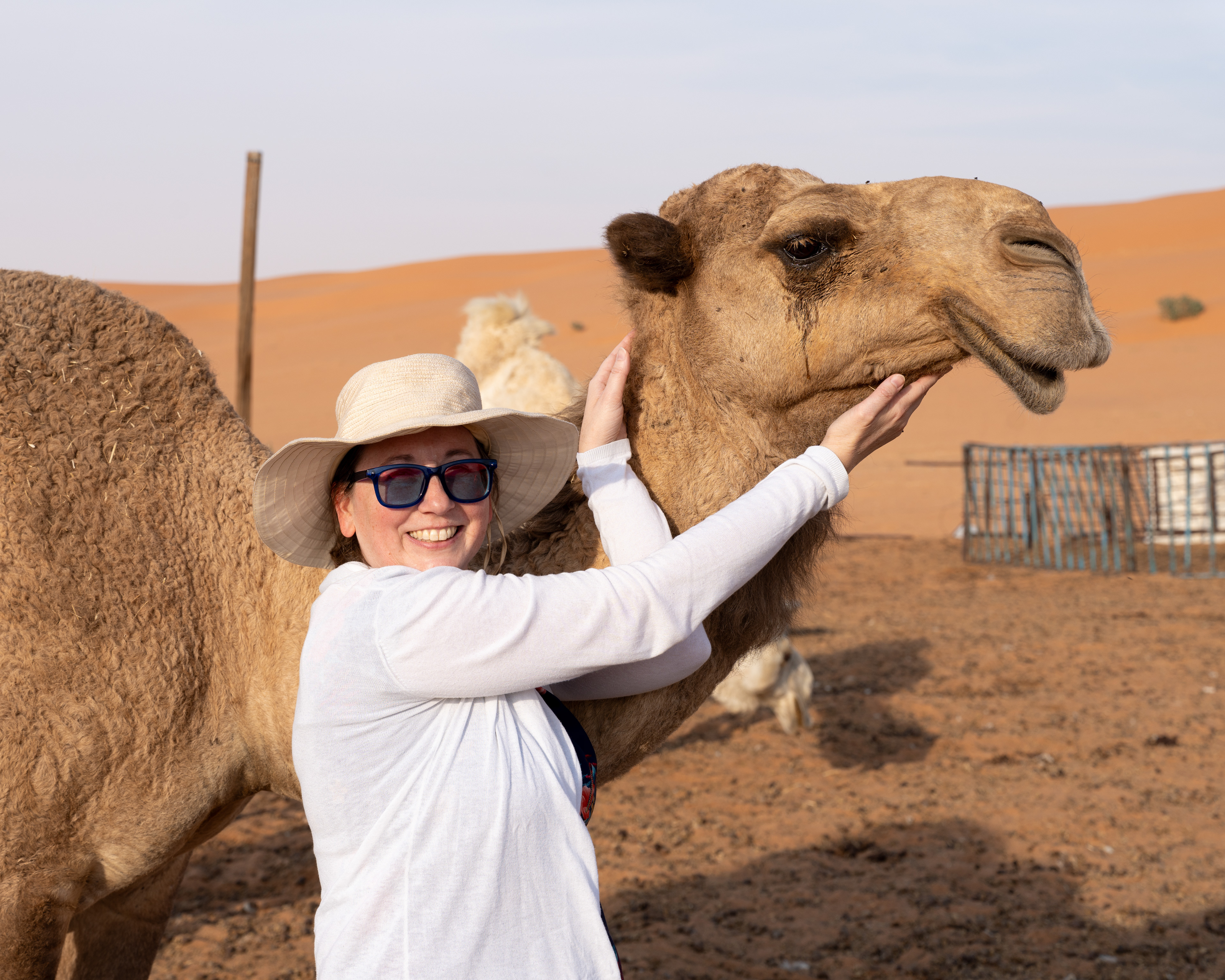

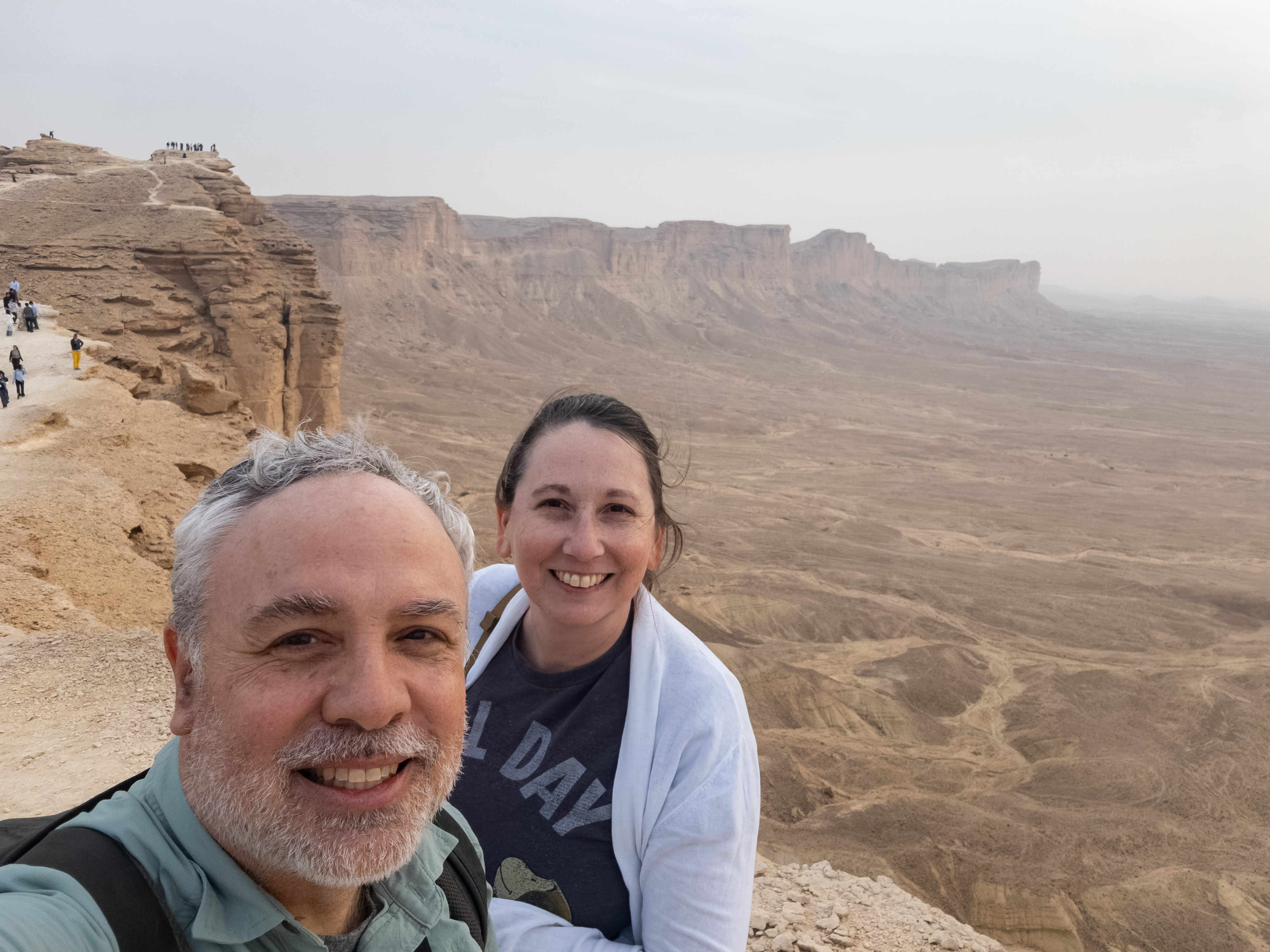
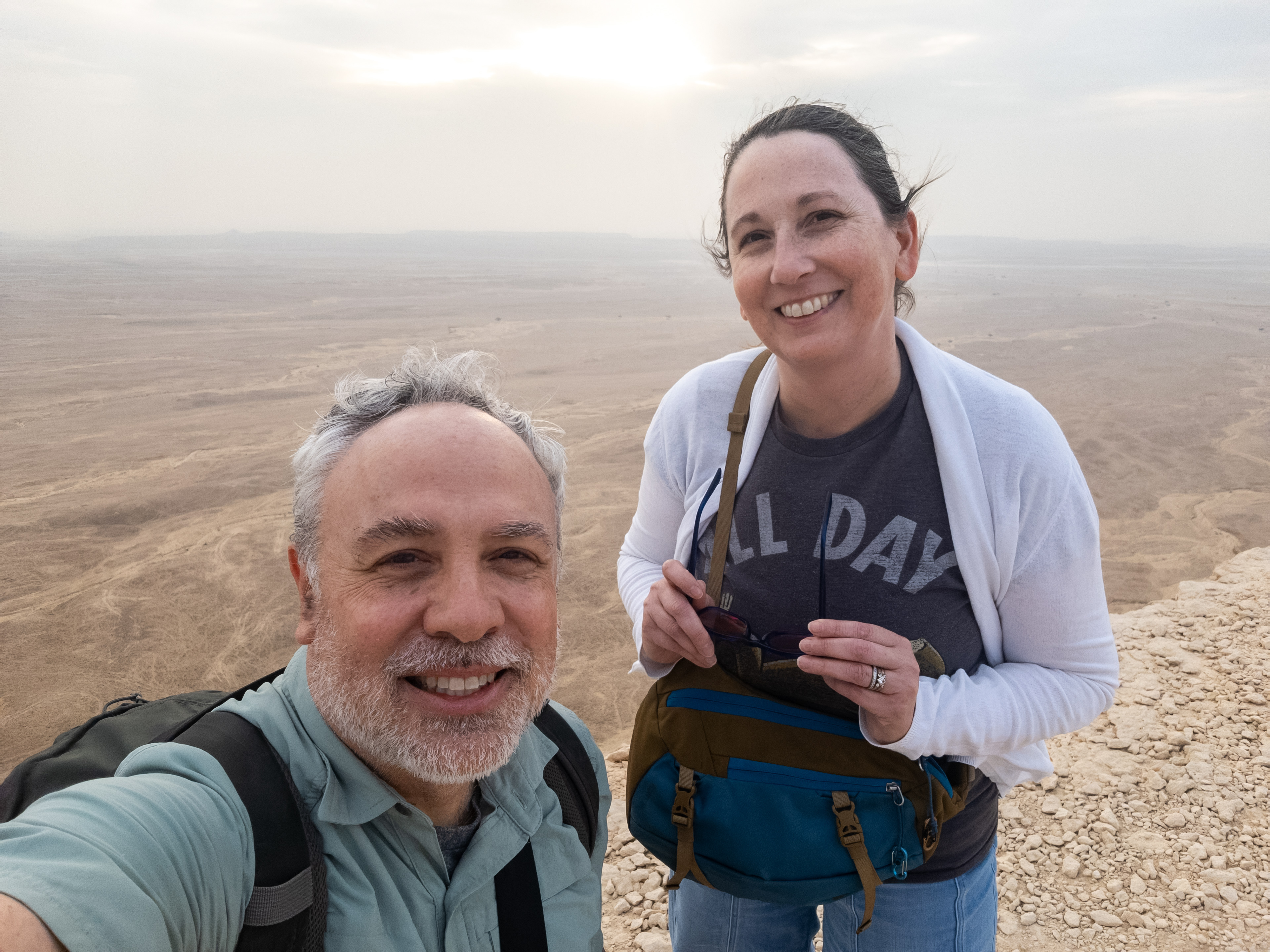
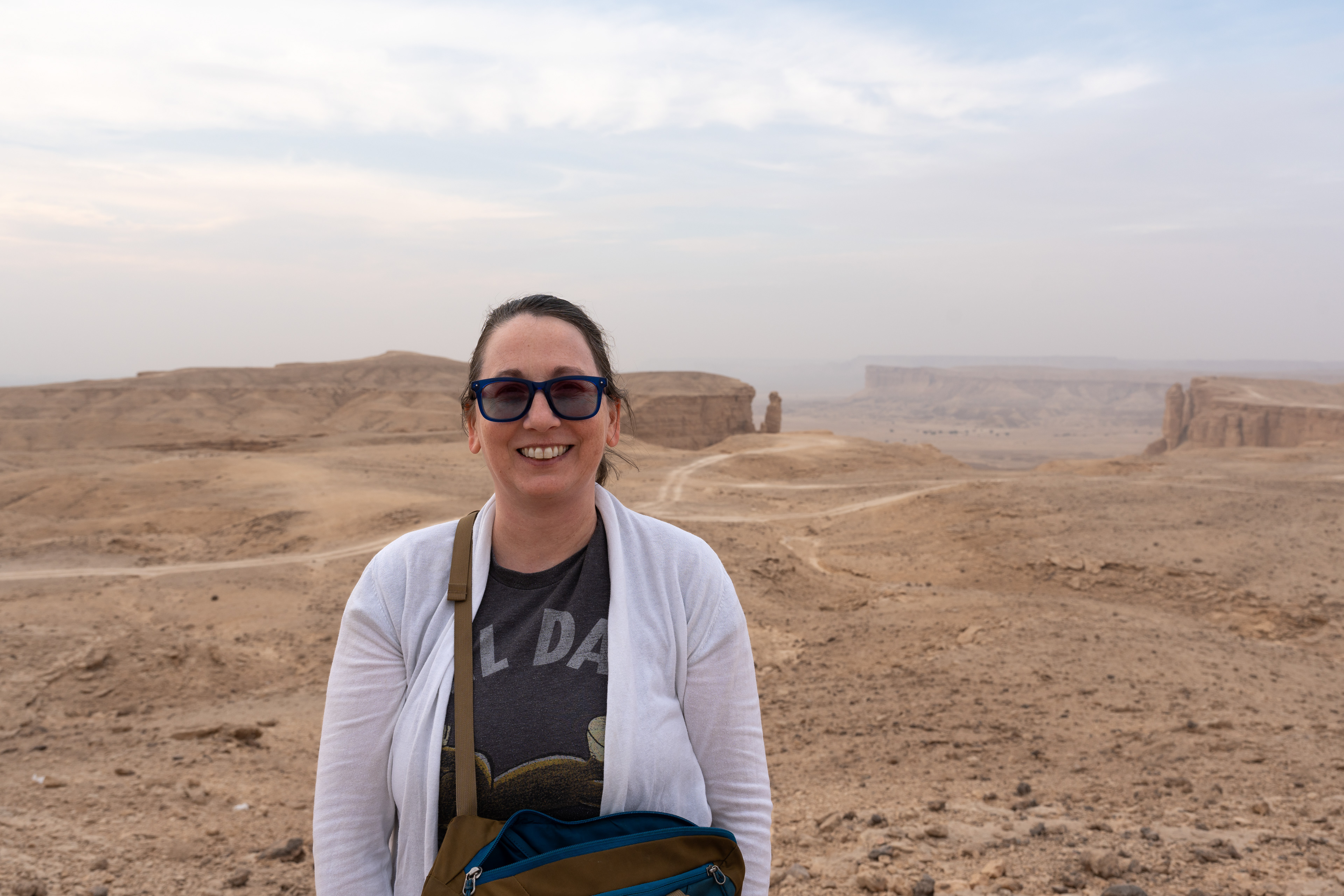
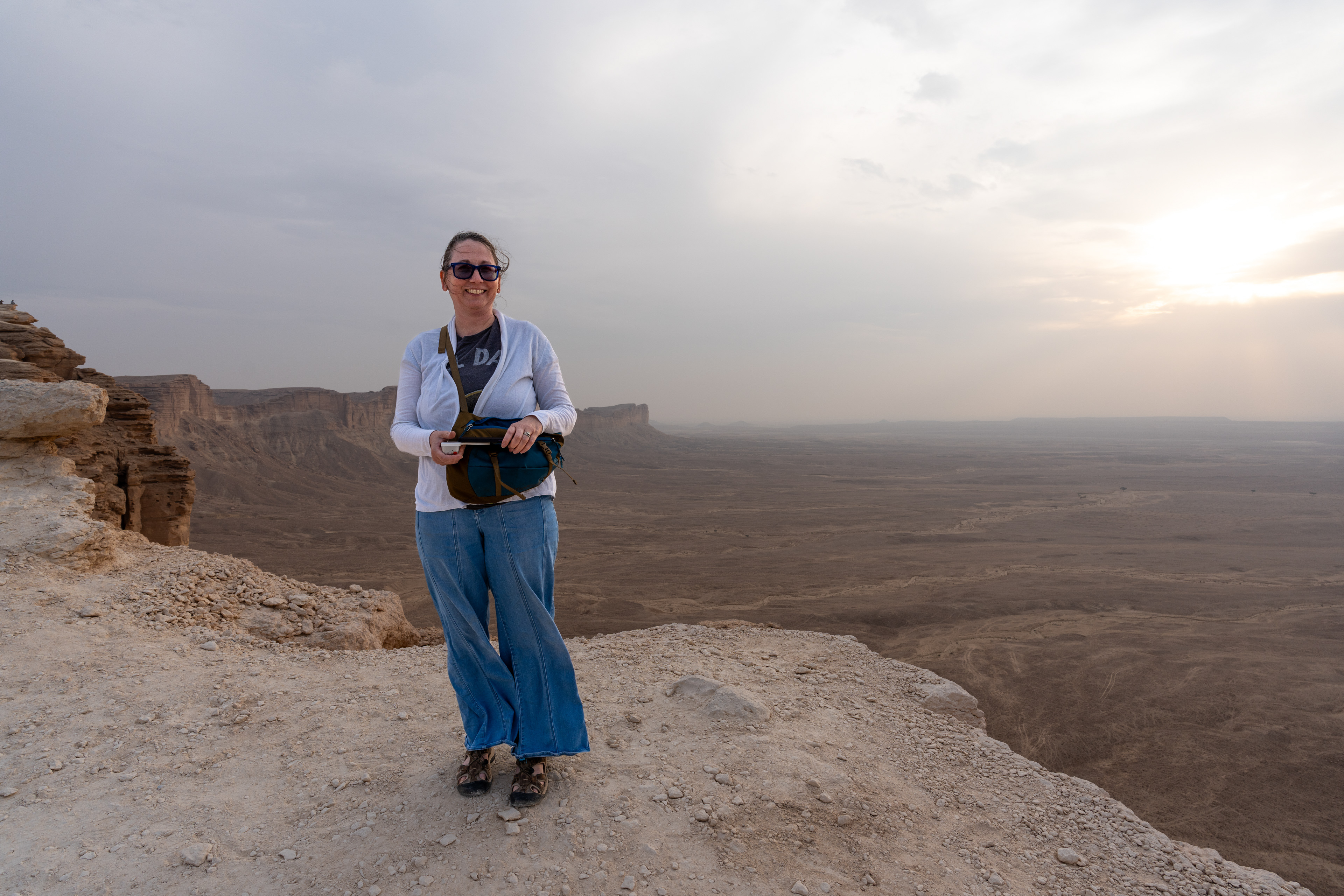
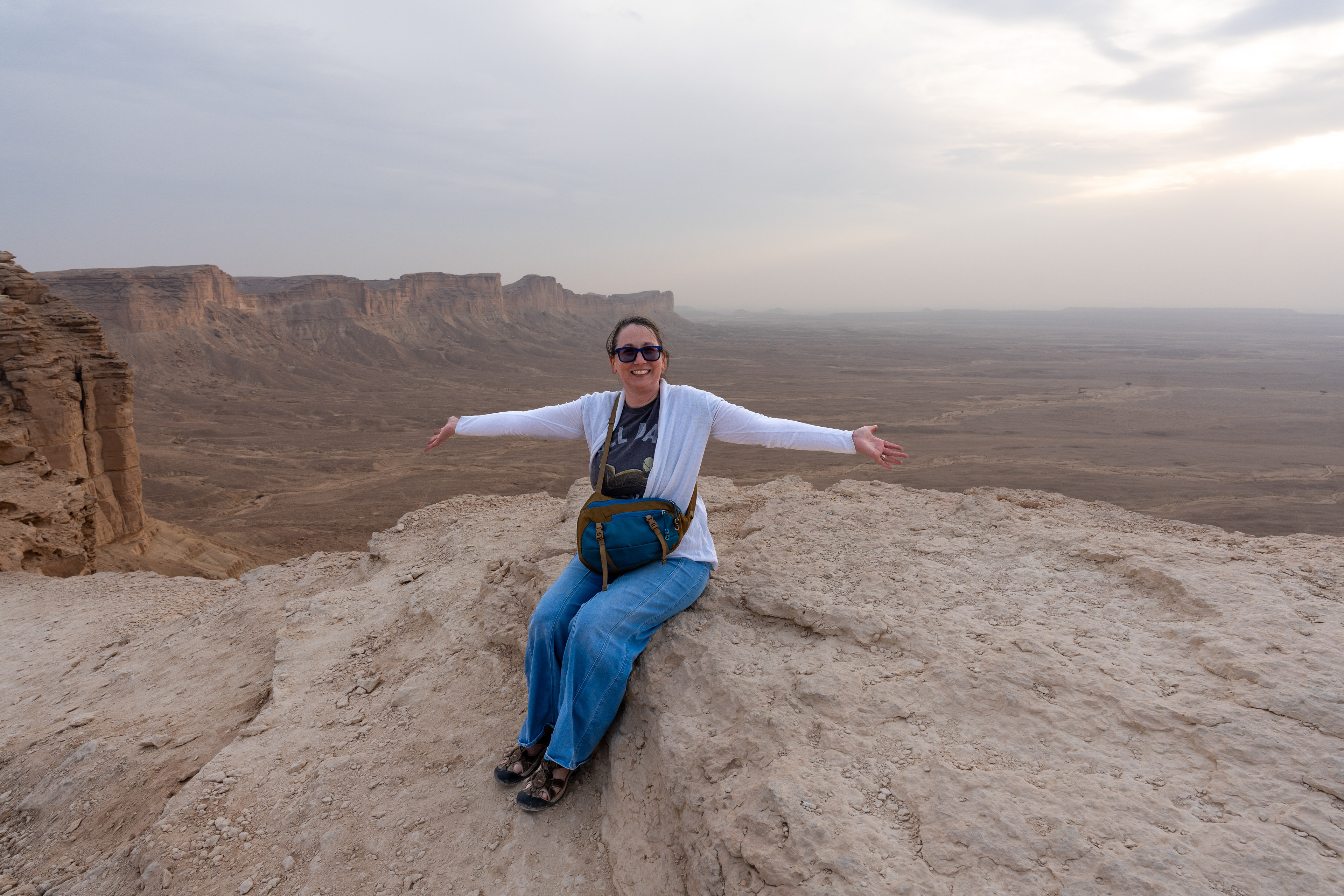
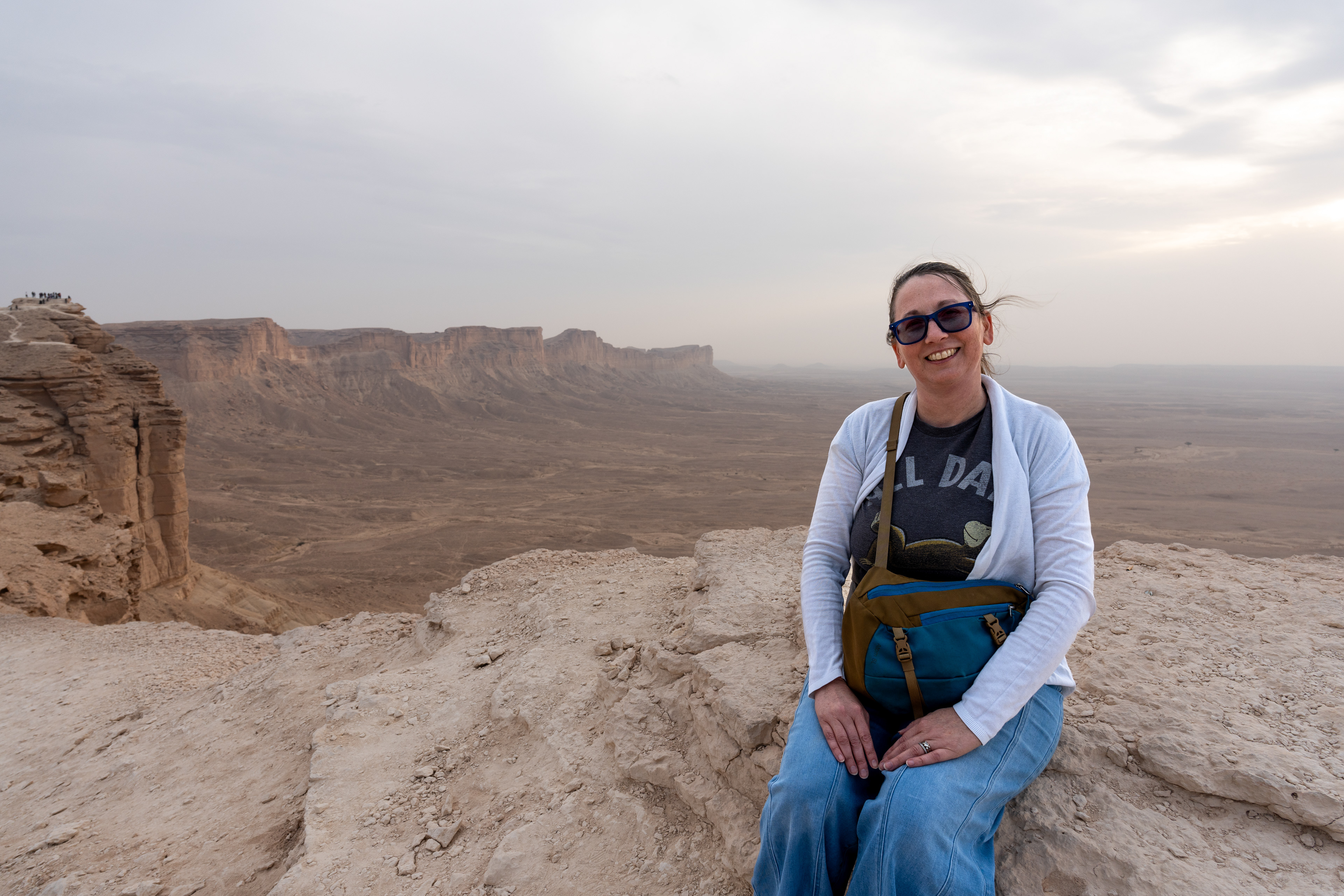
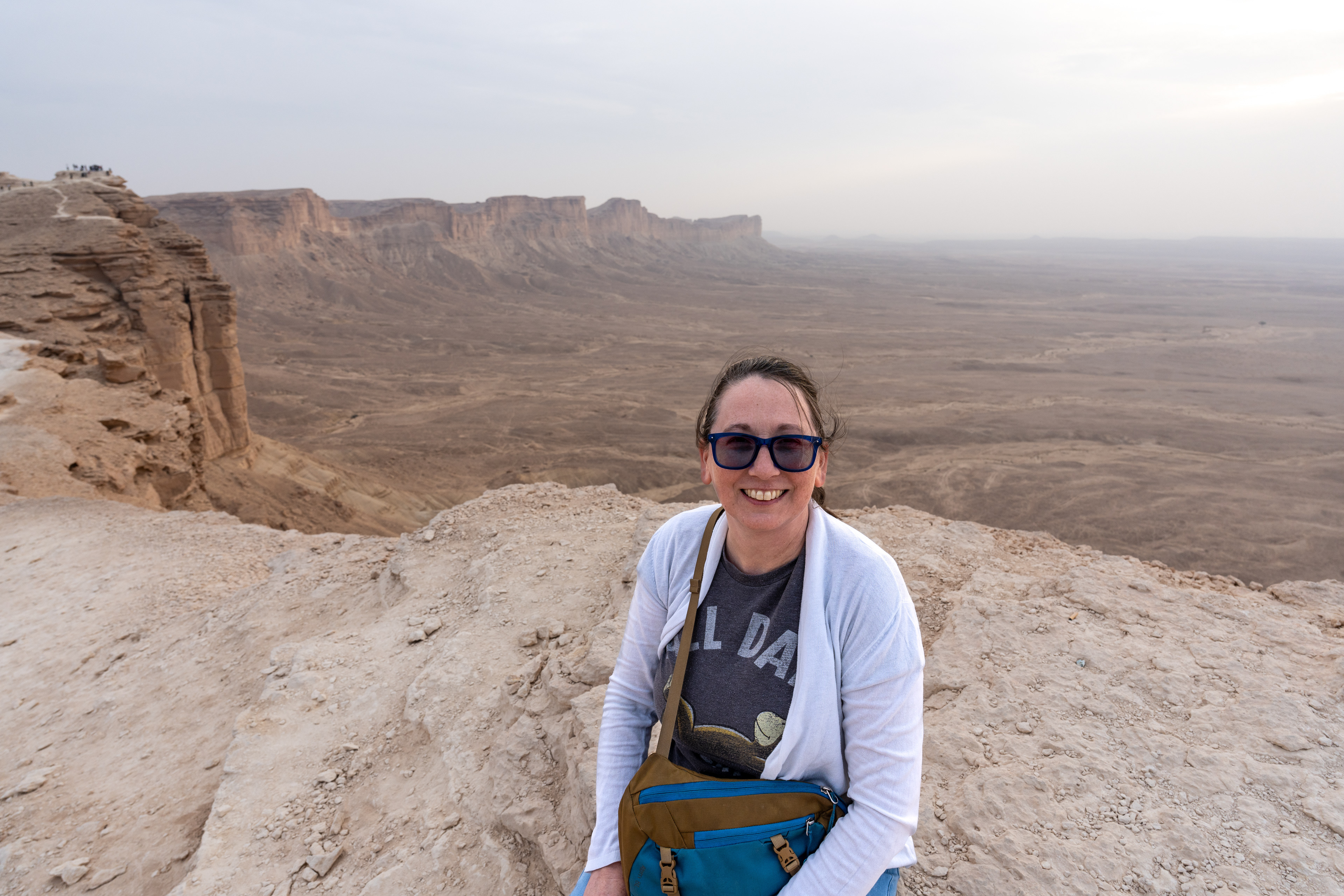
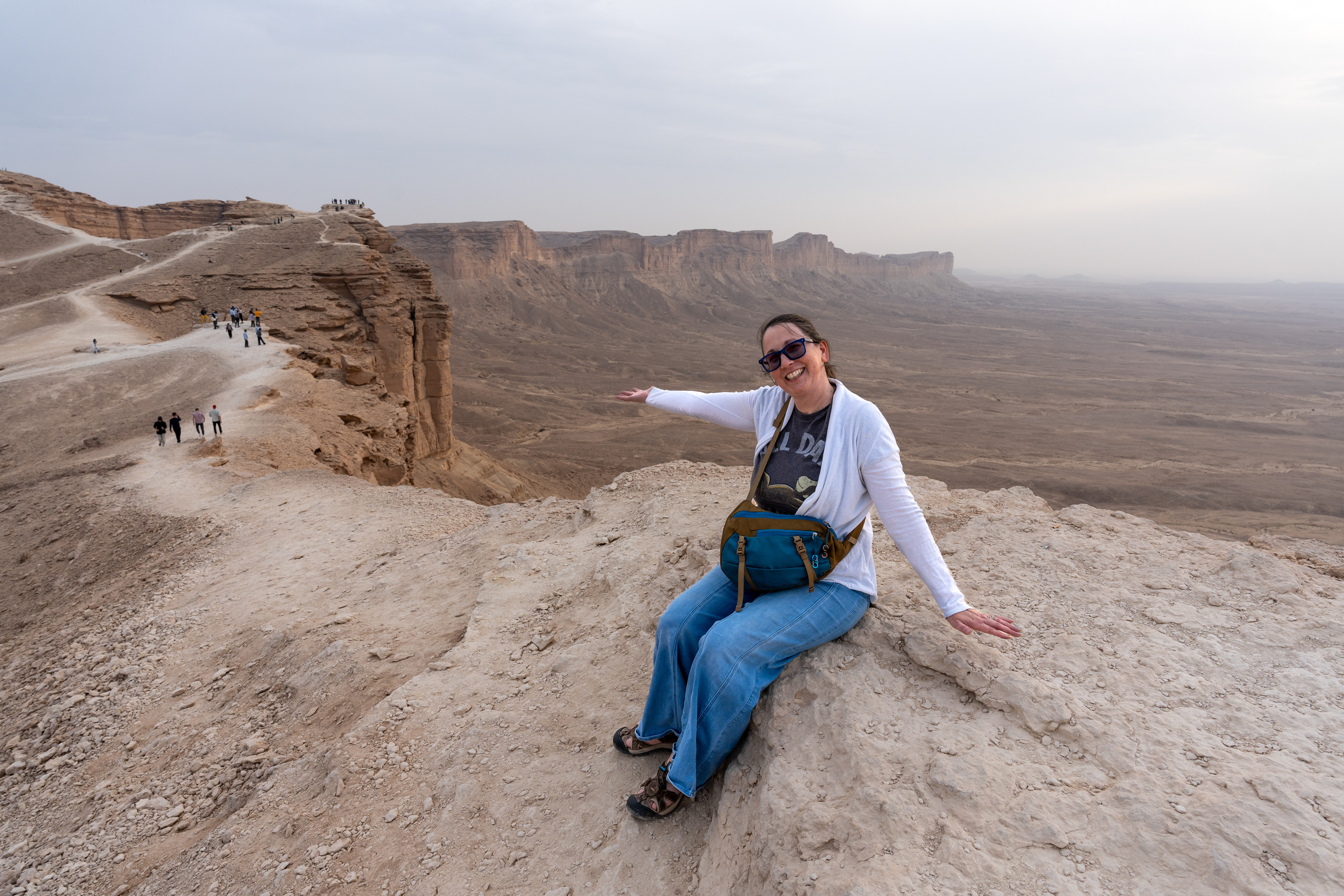
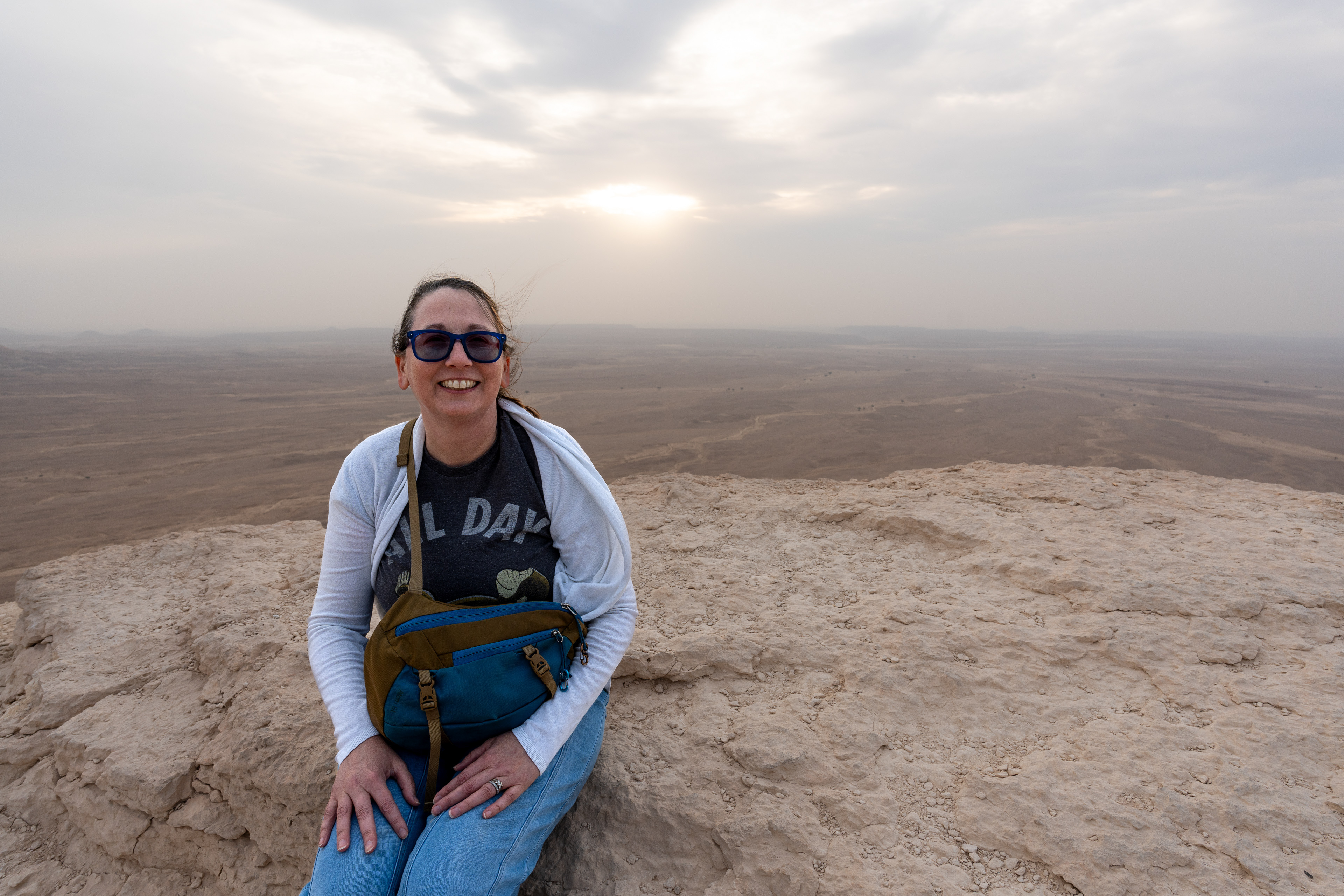
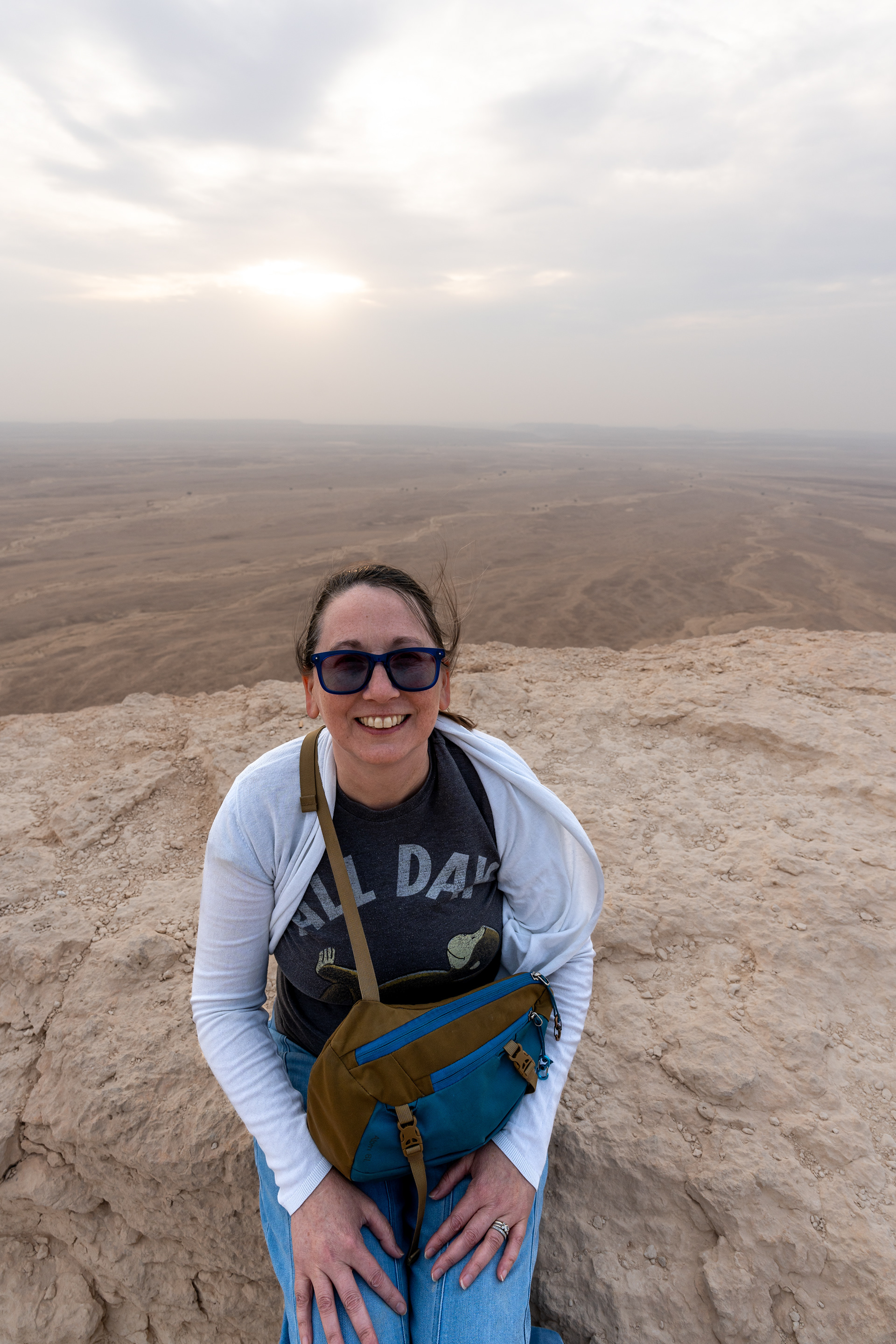
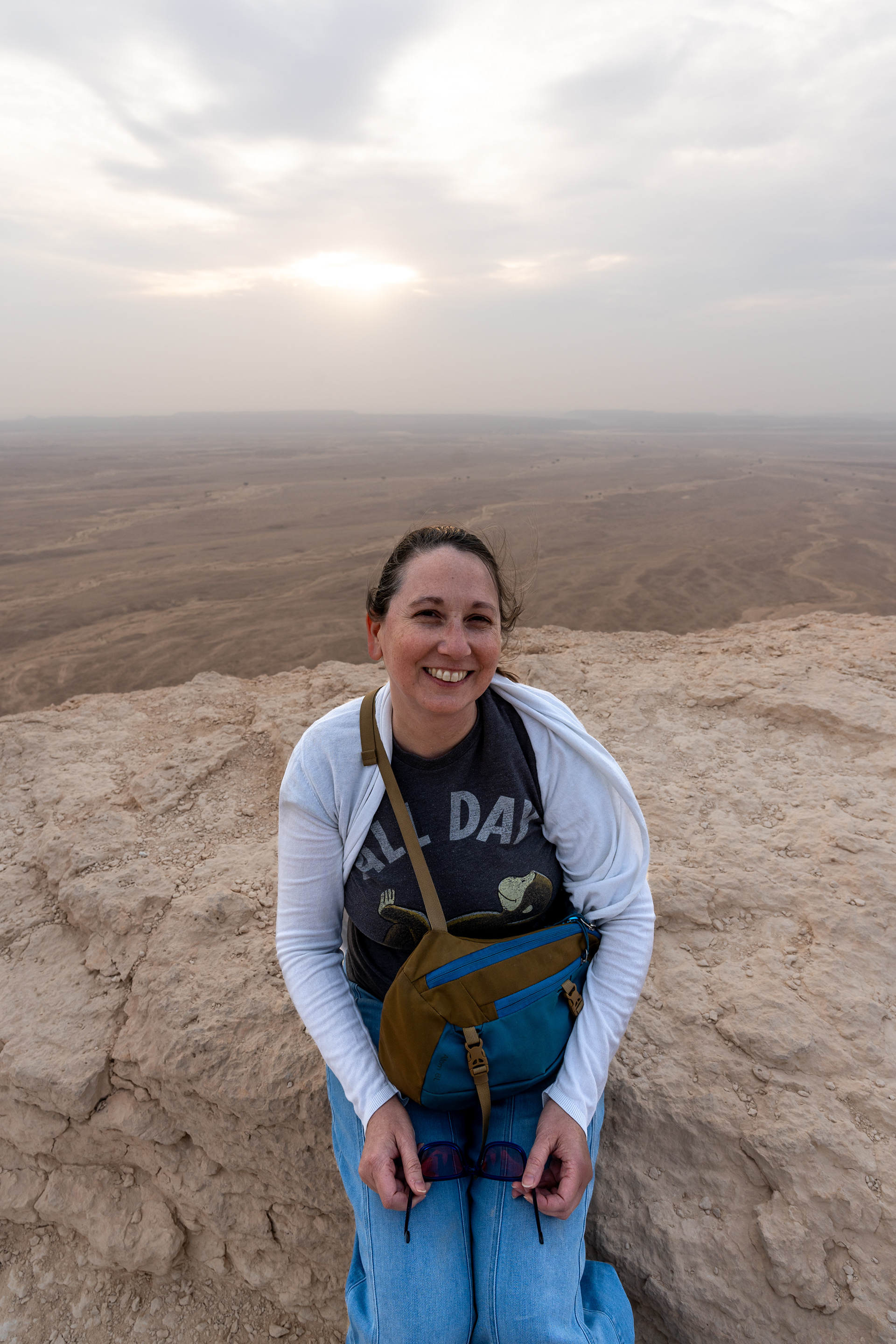
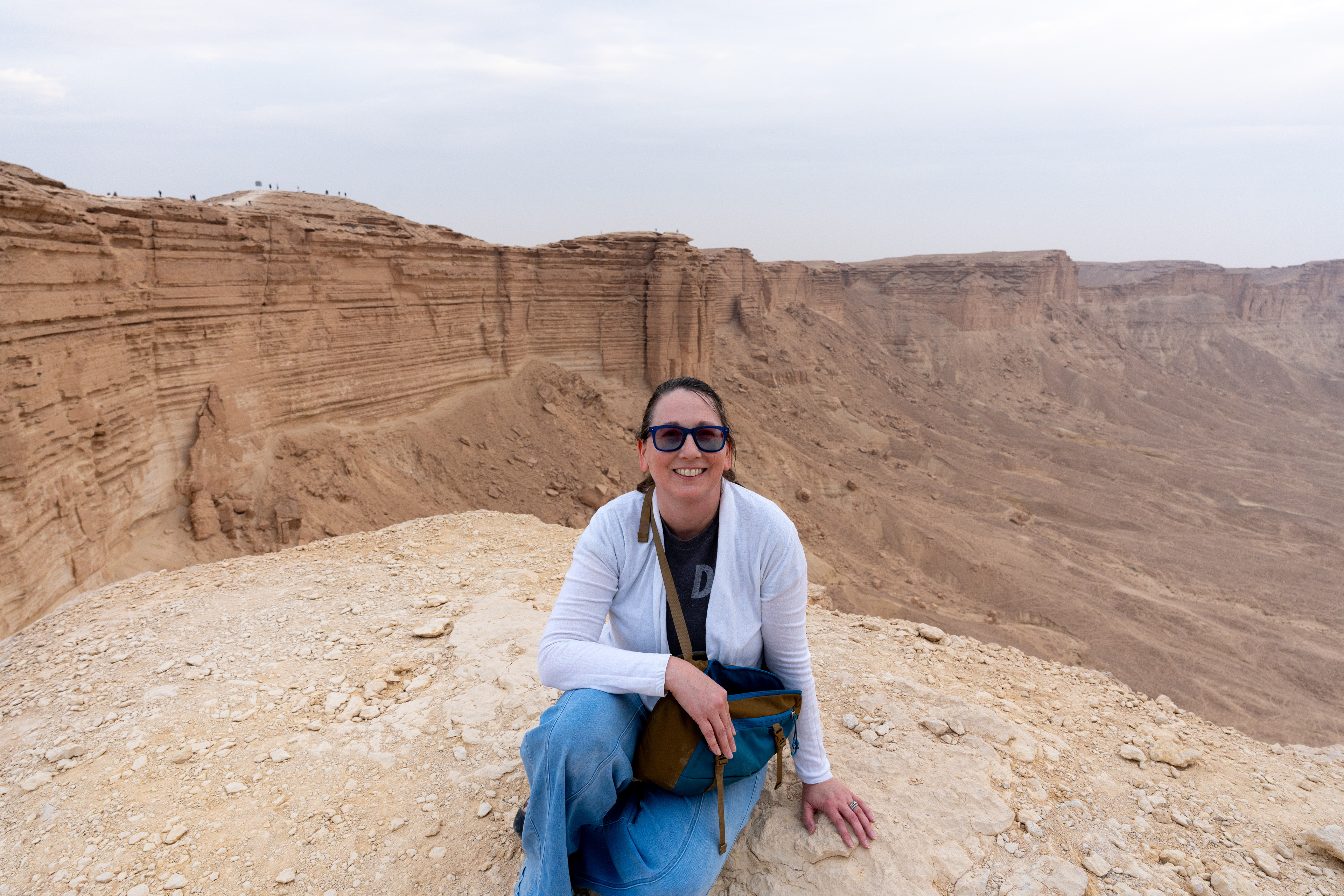
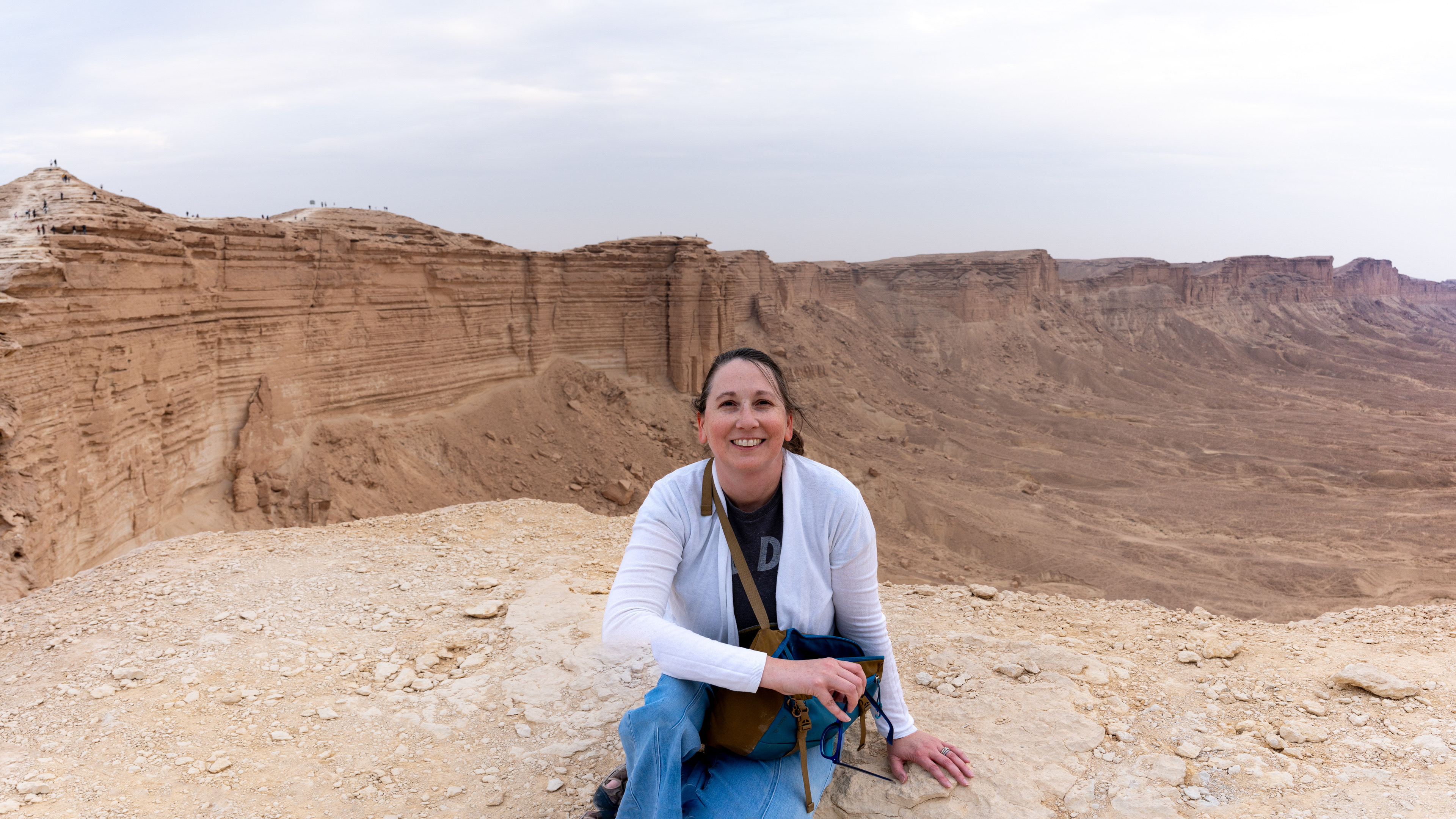
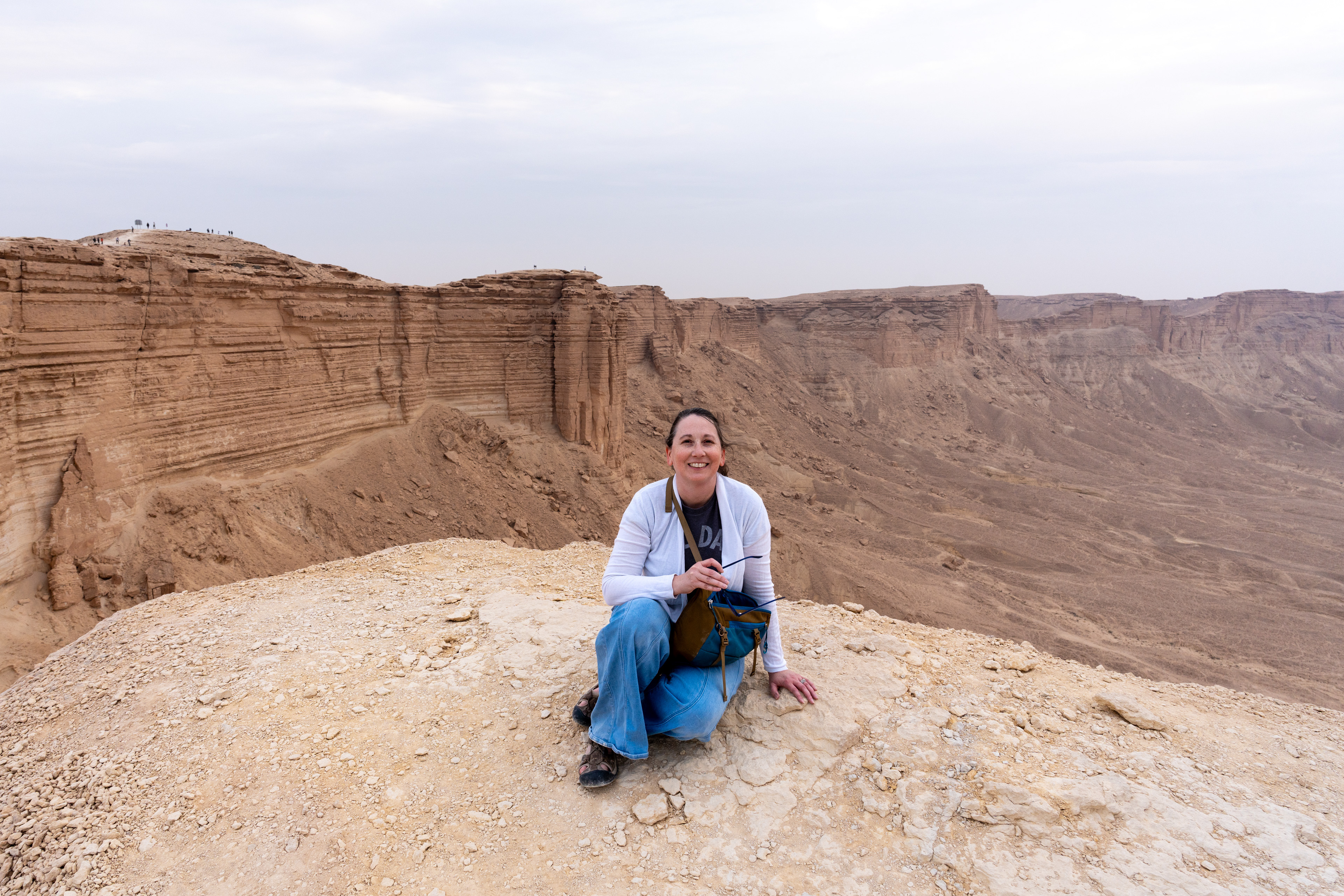
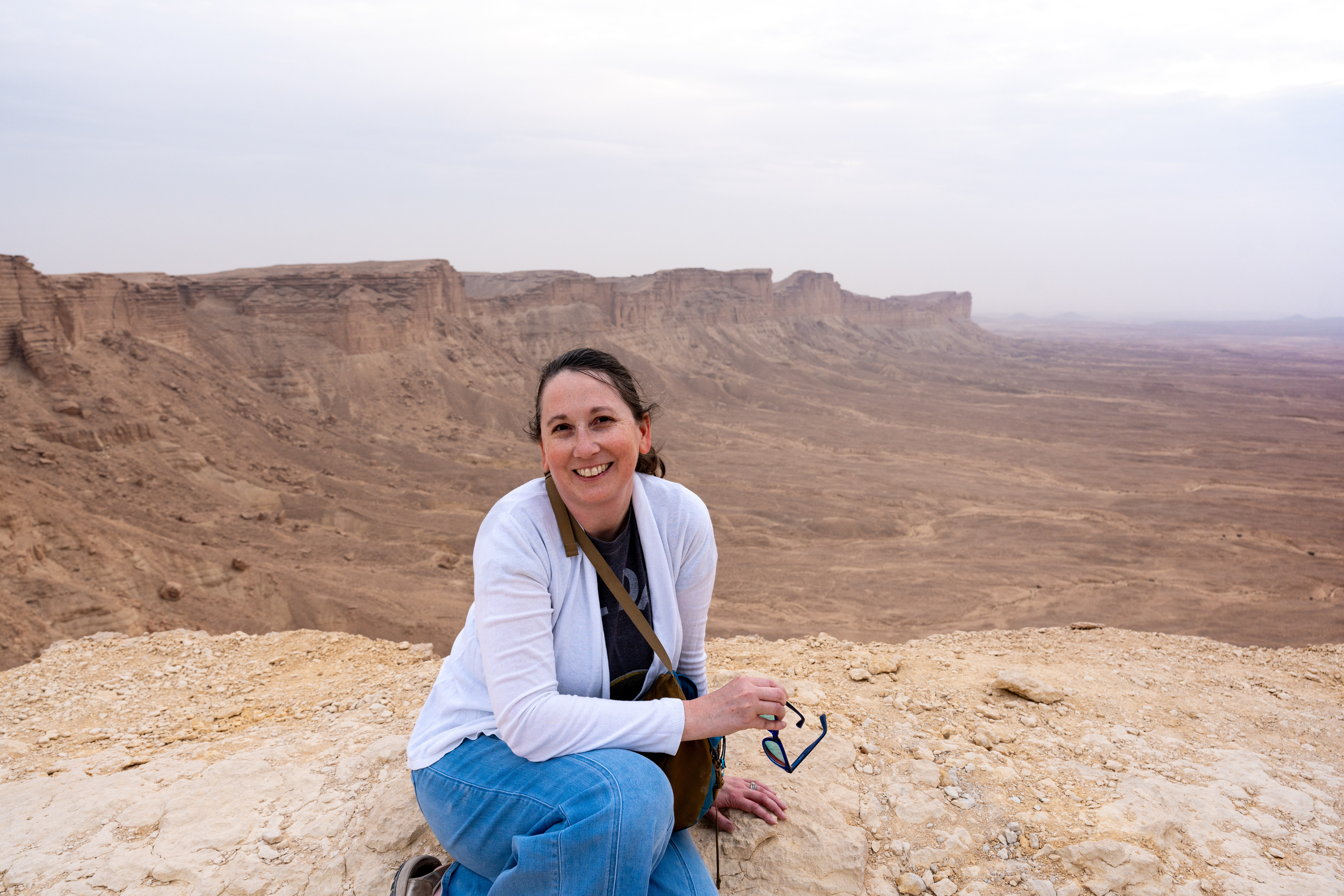
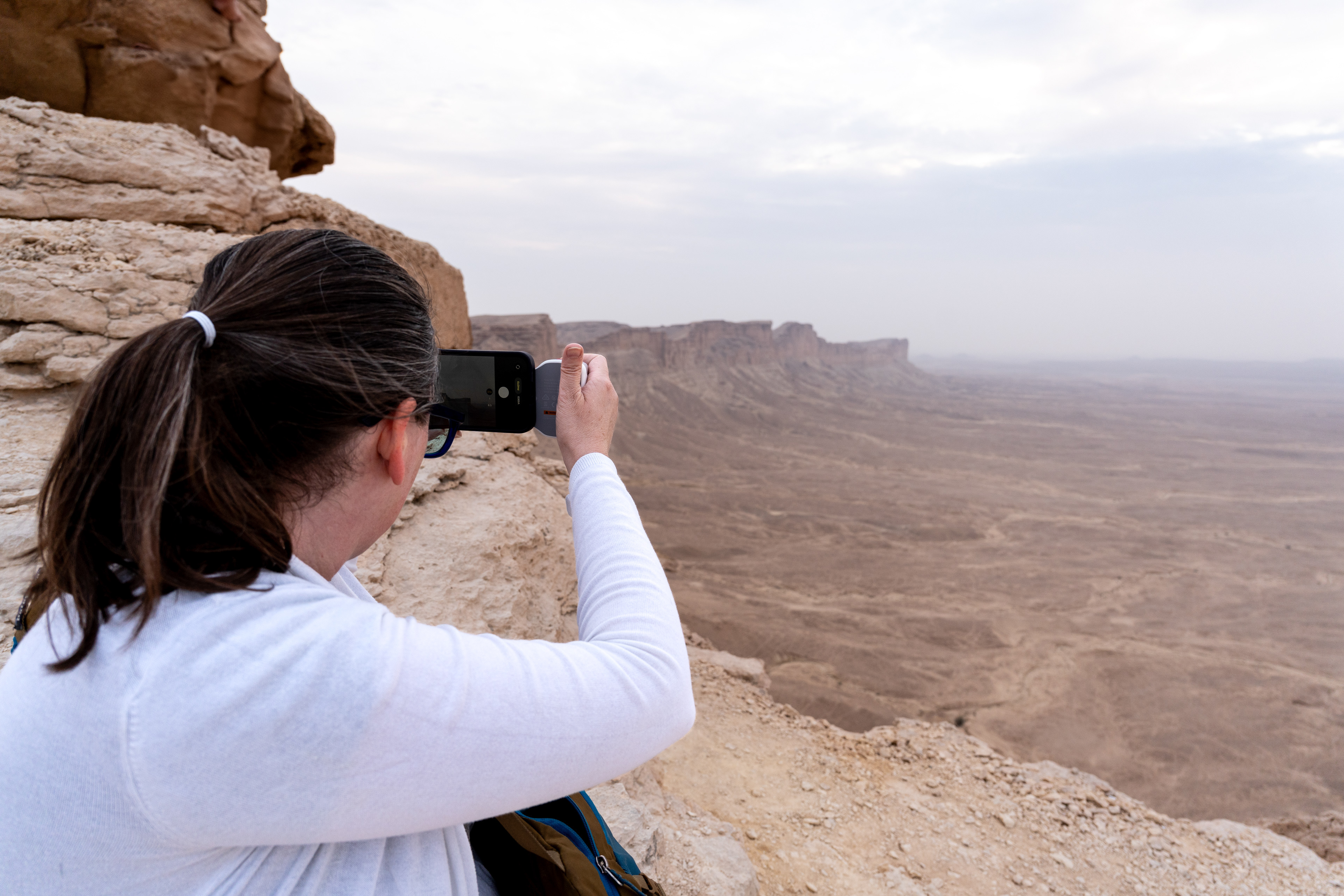
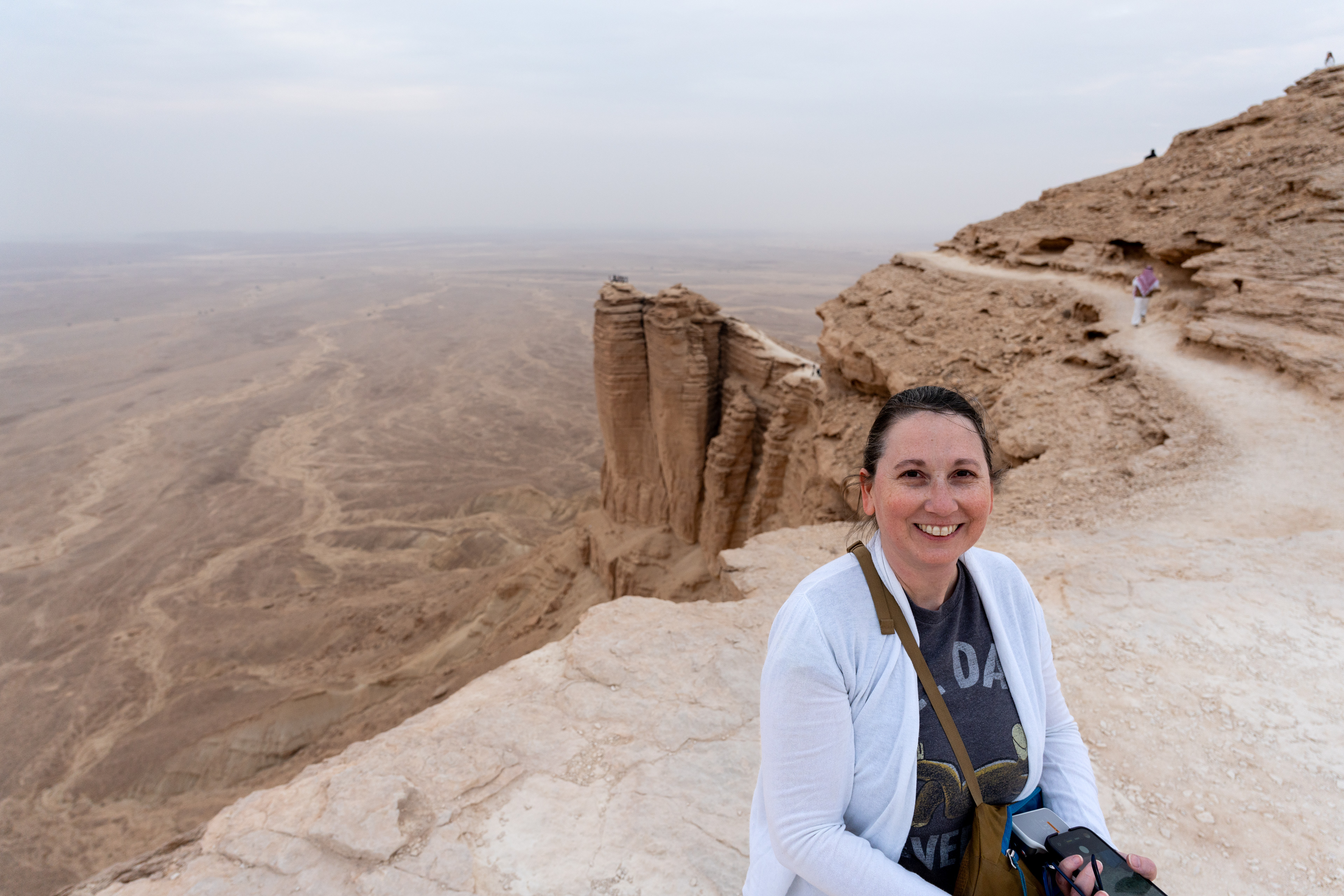
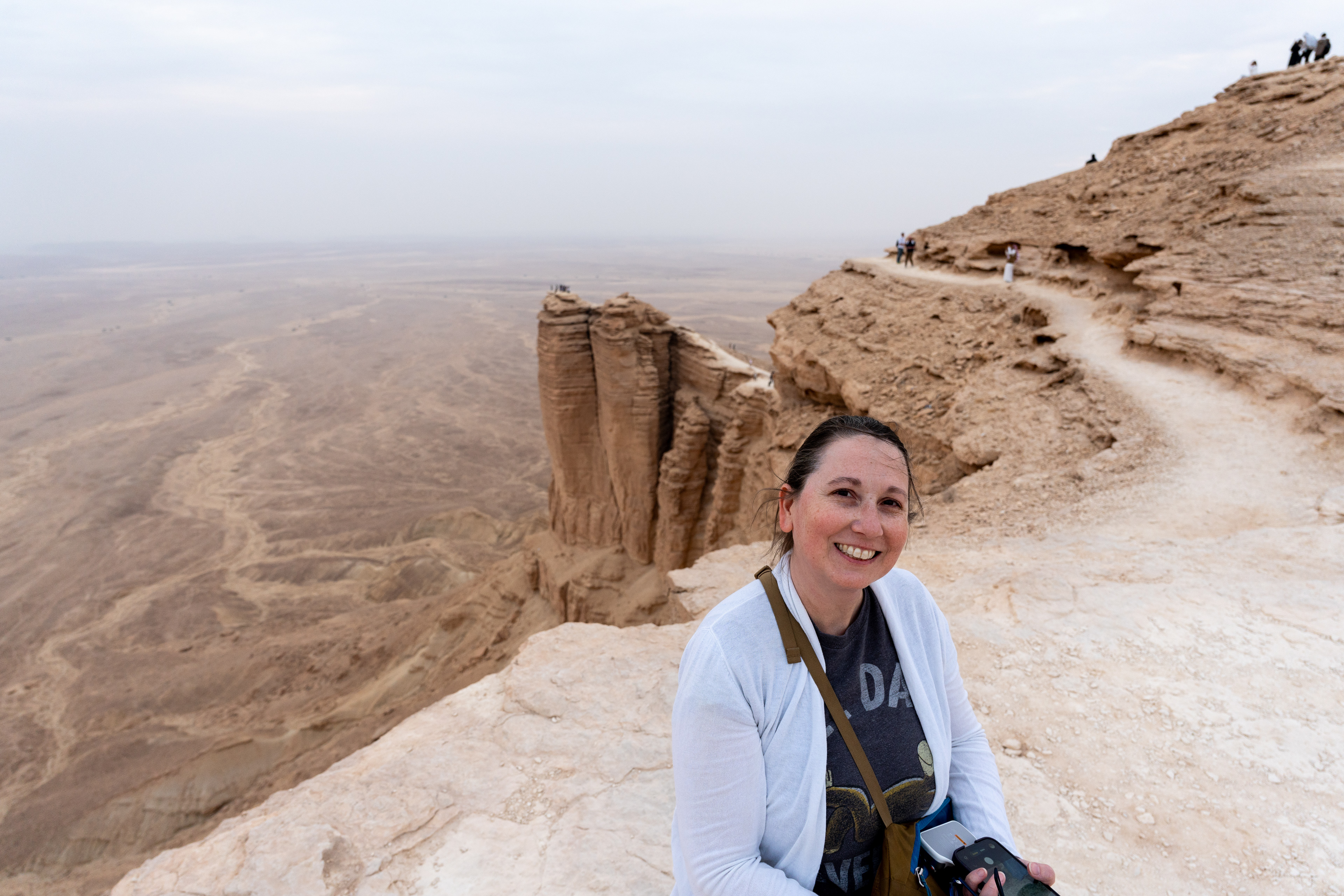
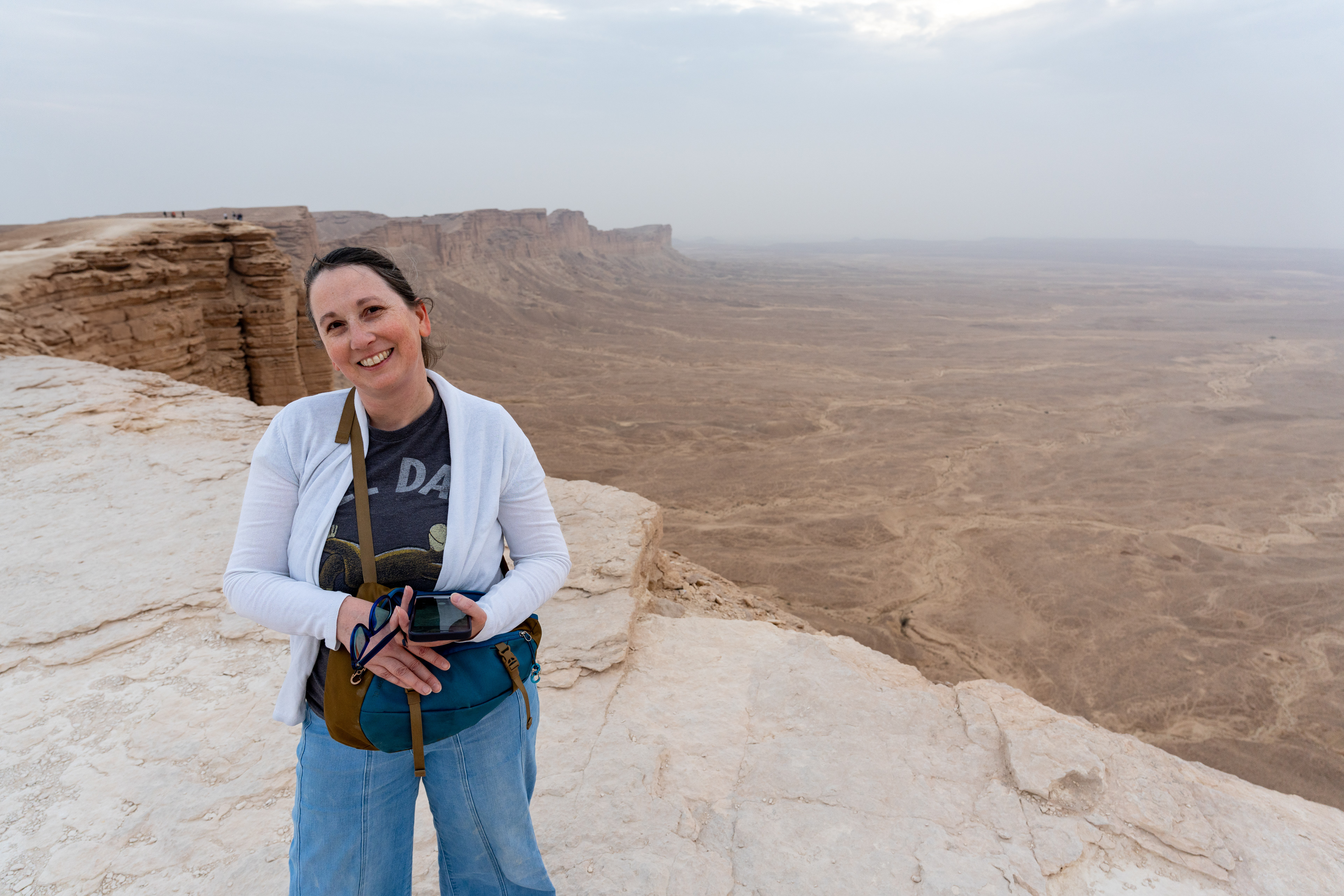
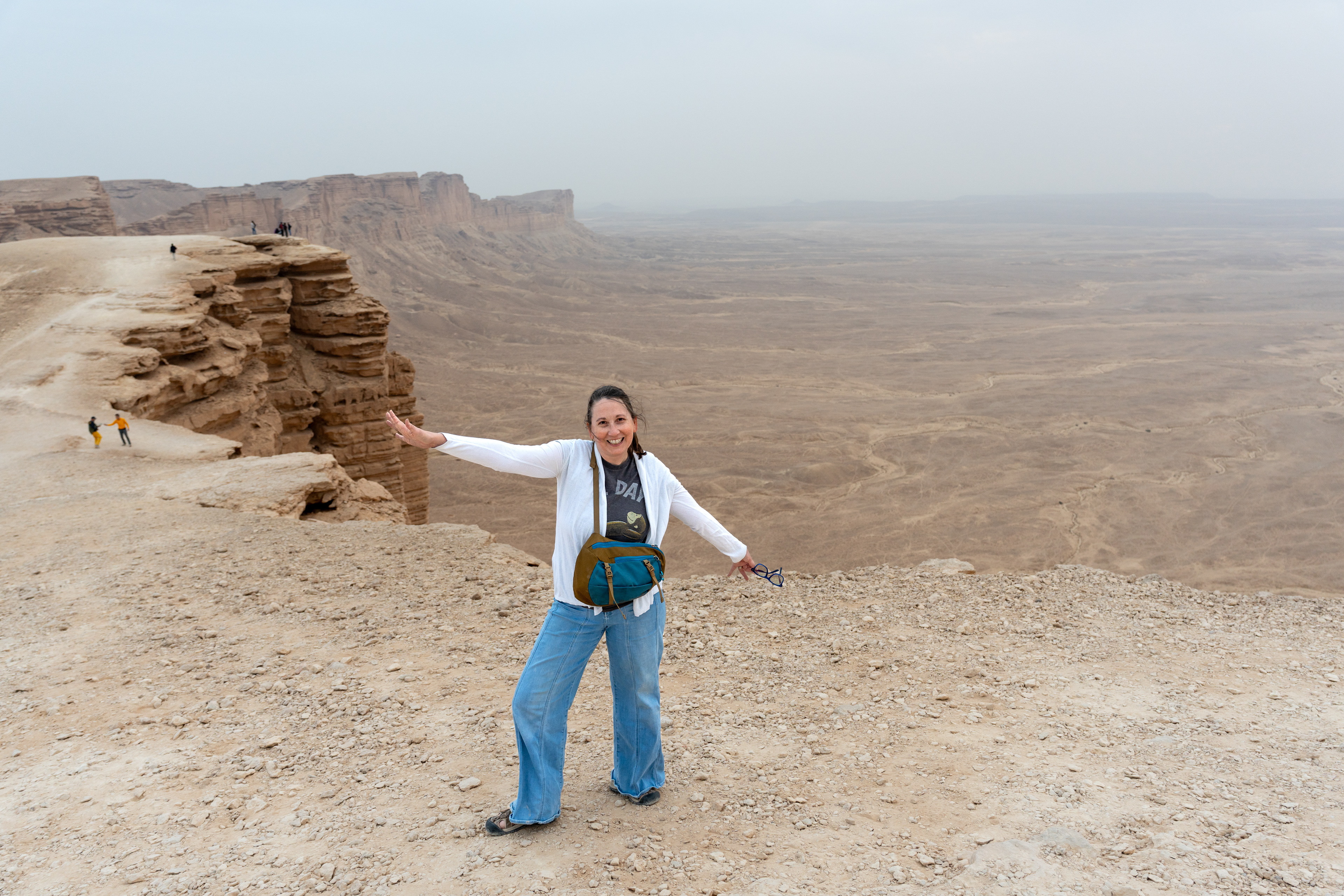
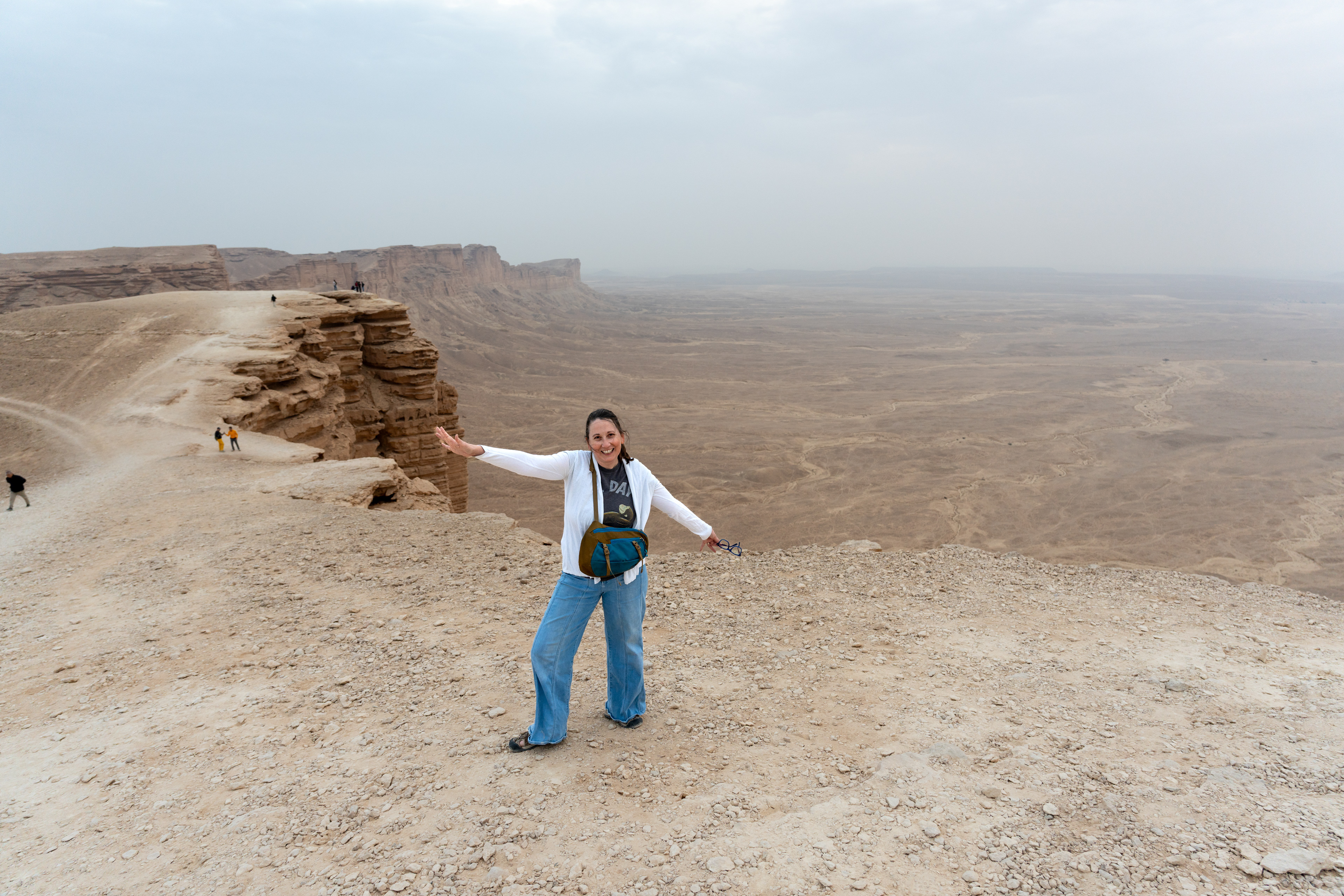
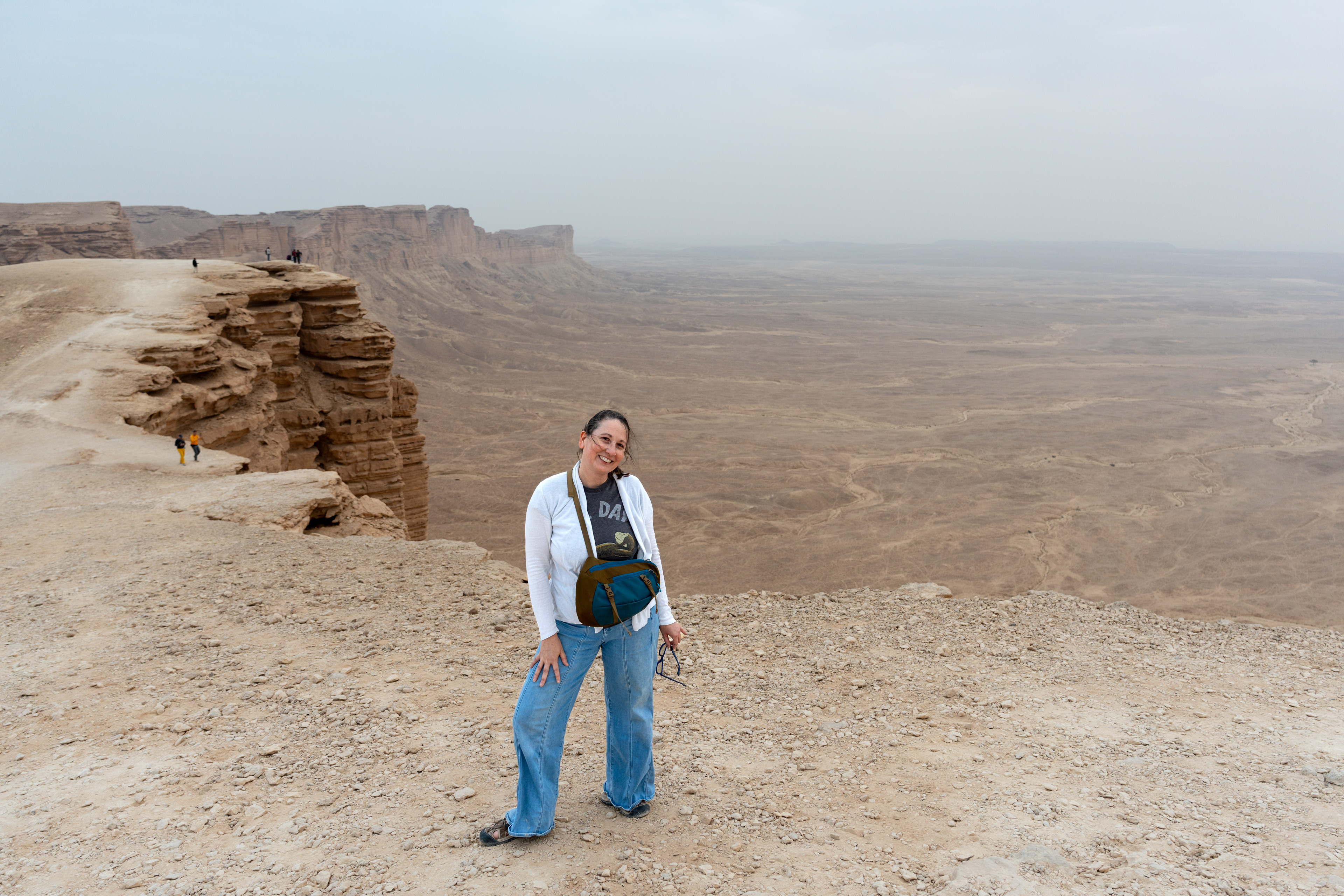
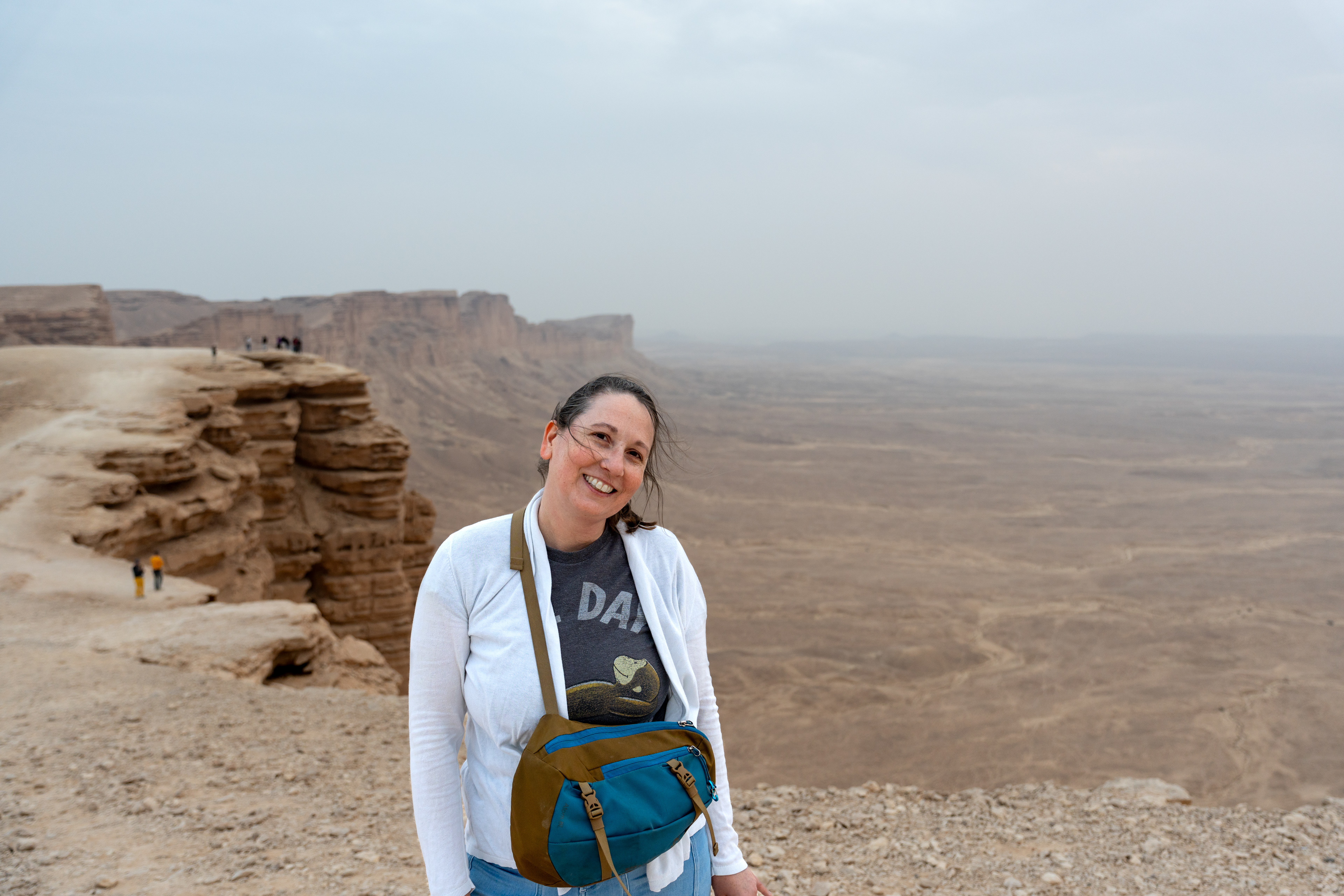
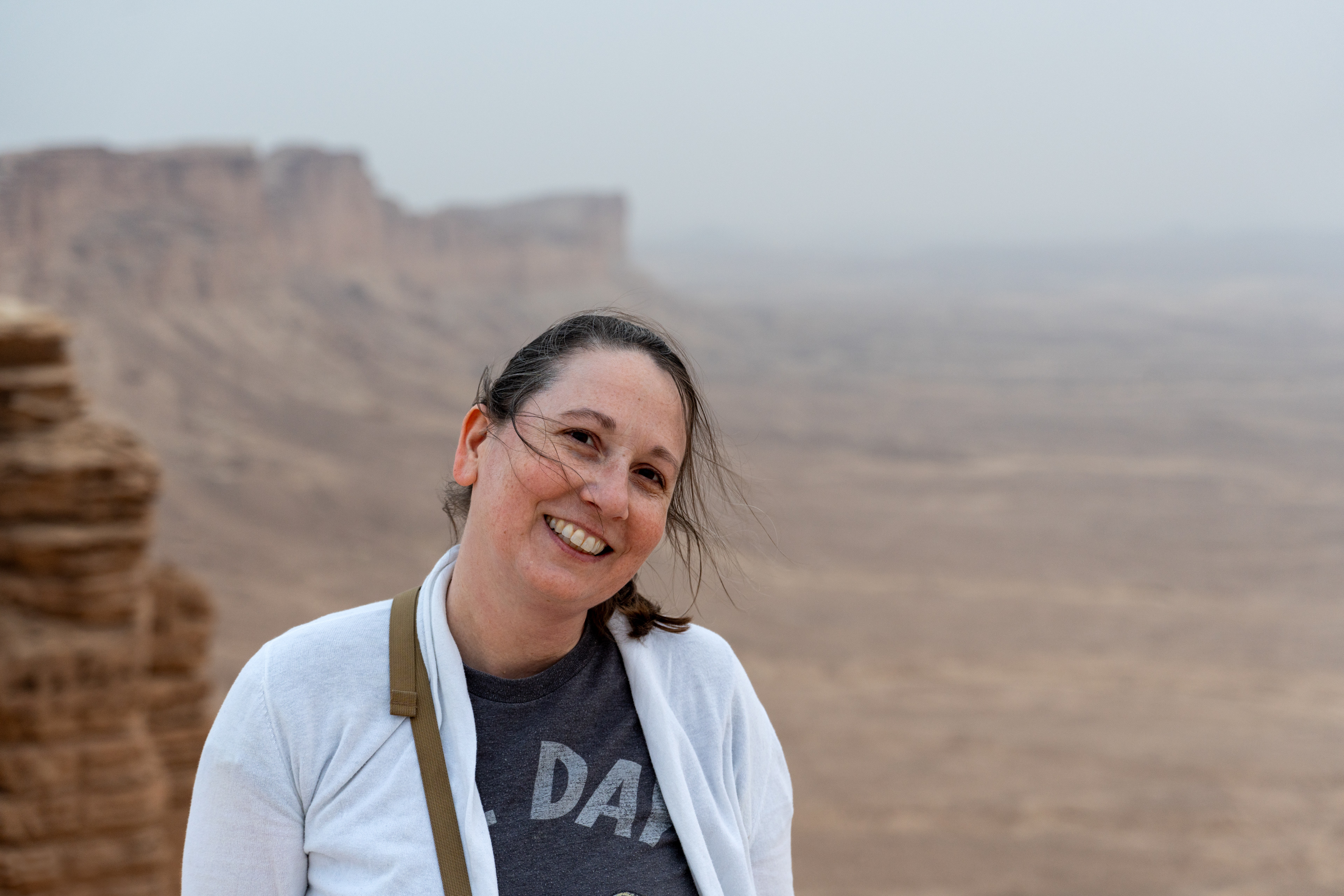
Edge of the World
The Edge of the World (Jebel Fihrayn) in Riyadh is a 1,000-foot-drop cliff edge part of the 800km Tuwaiq Escarpment, offering panoramic views of an ancient ocean bed. Formed over 150 million years ago during the Jurassic period, the site holds, marine fossils, coral, and shells, marking its history as a tropical sea before becoming a major, historic trade route.
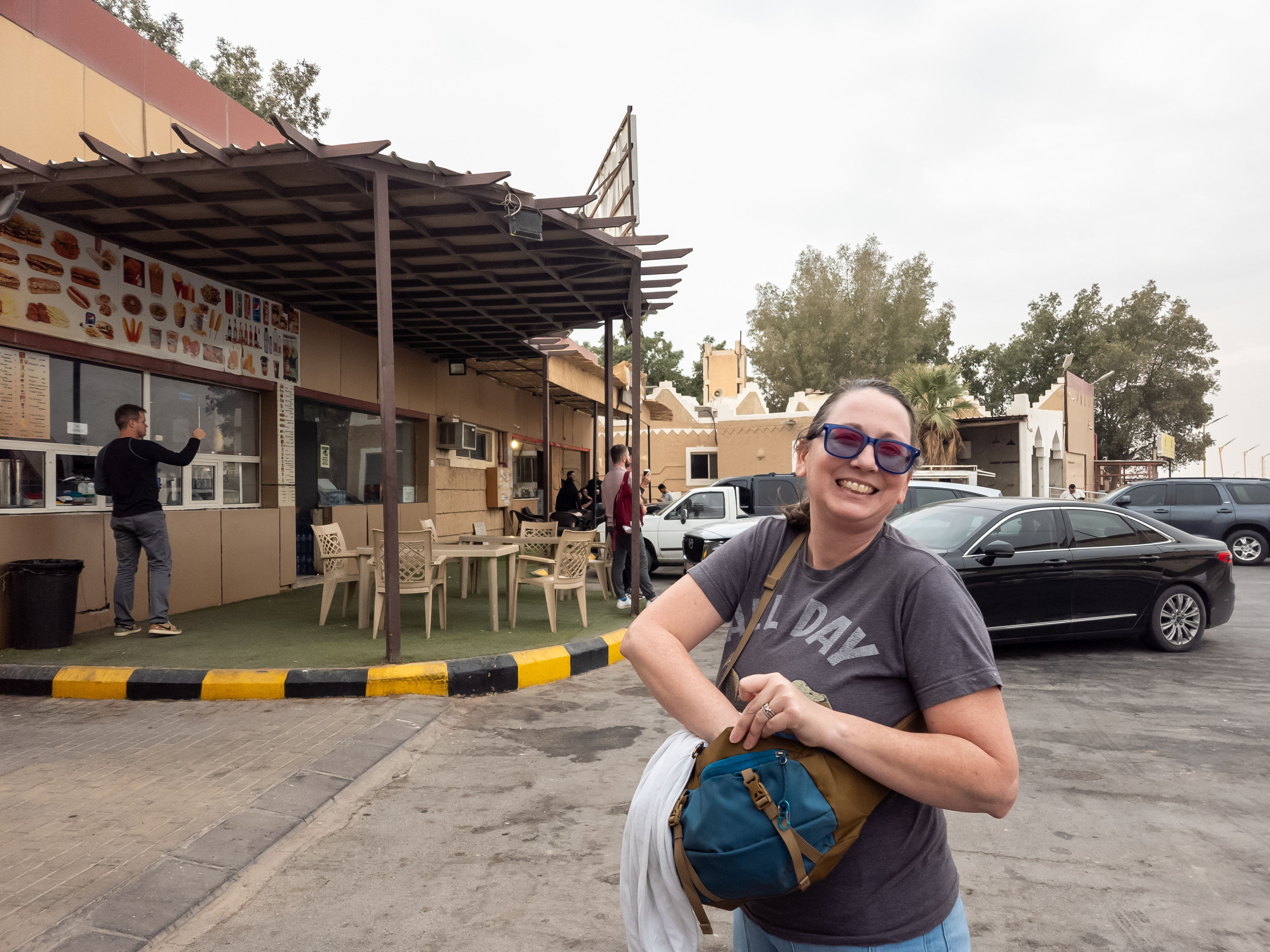
Katherine's first Saudi "truck stop."